
Last updated November 16, 2026
 Whole-home duct cleaning
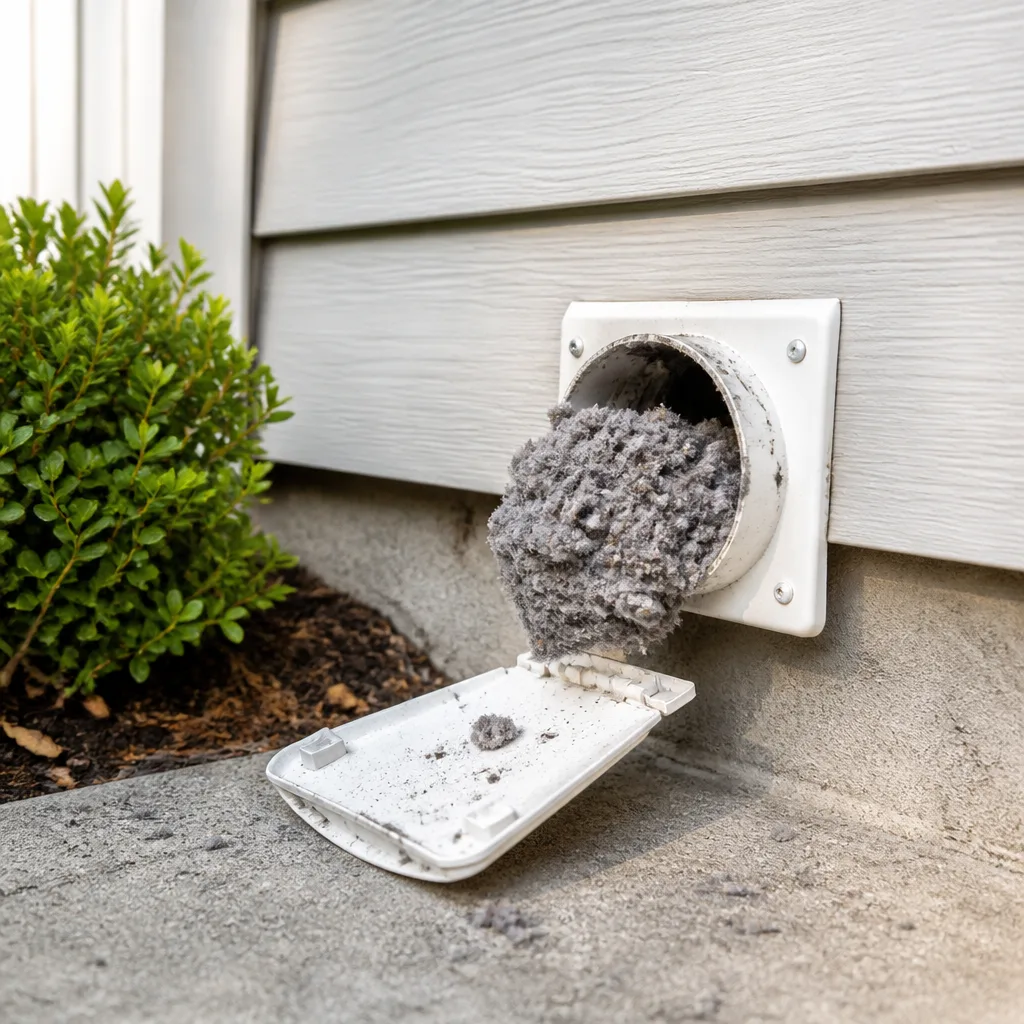 Dryer vent cleaning
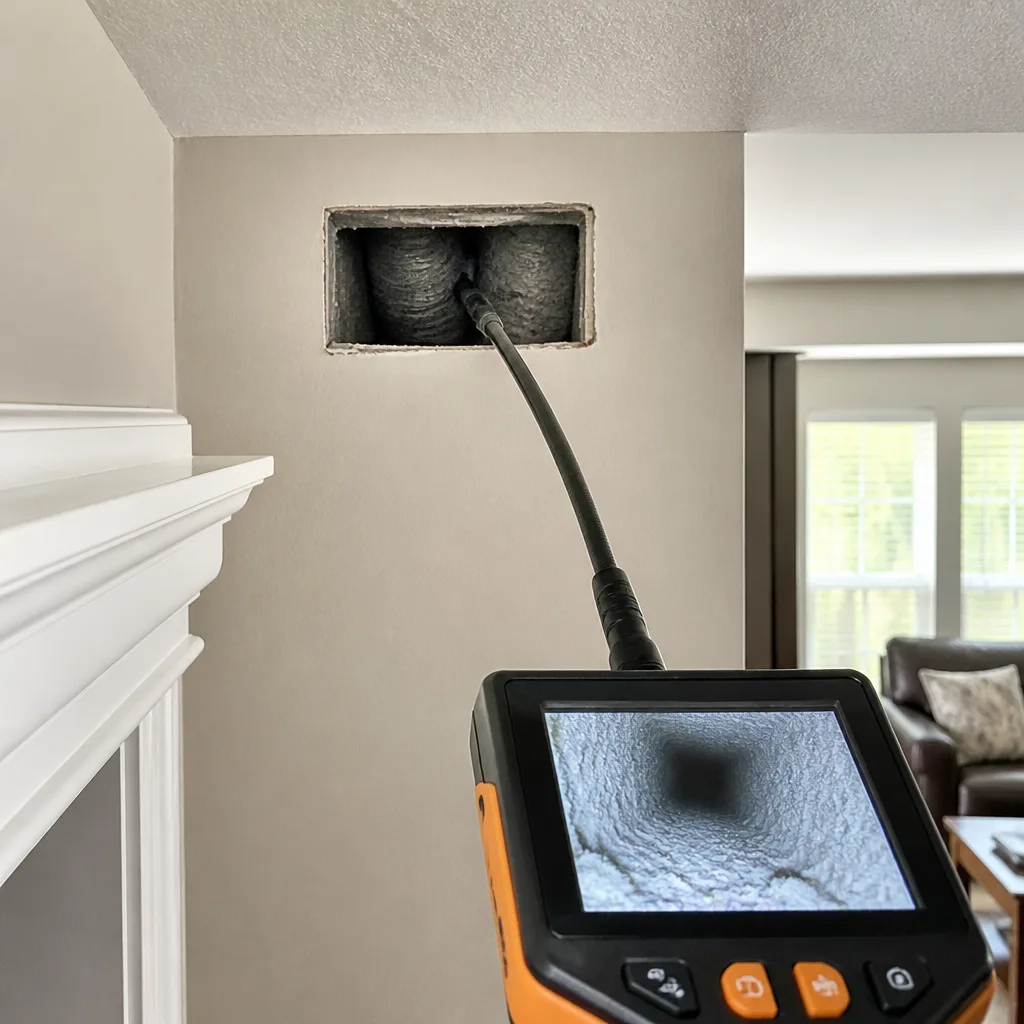 Camera inspection
 Sanitizing & deodorizing
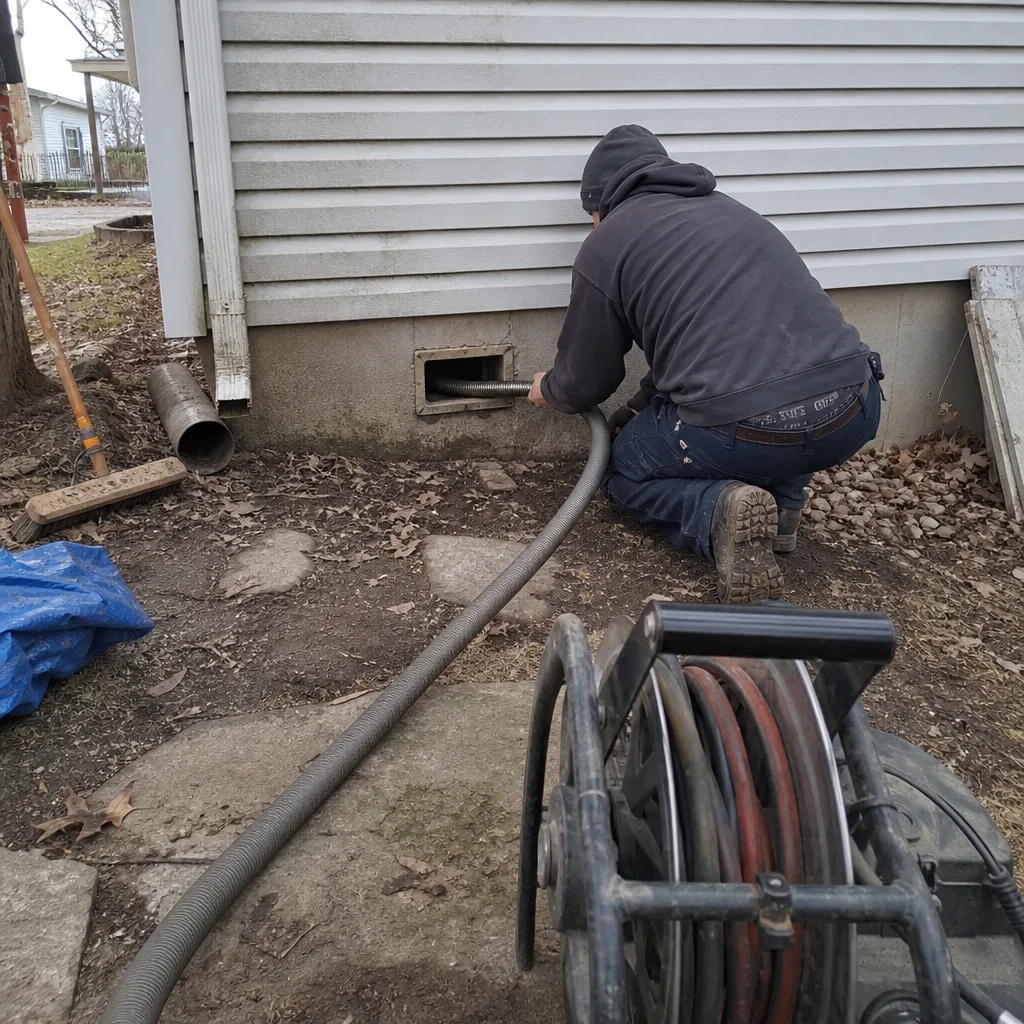
Whole-system duct and dryer vent check with before-and-after photos - you see exactly what came out of your vents
That "$99 whole-house special" is a bait ad - the real number appears once they are in your hallway, or the "clean" is a shop-vac at the register. We photograph the inside of your ducts before and after instead.
Air Duct Cleaning Maintenance Checklist for Indianapolis Homeowners
The filter you swap every 90 days isn’t the first line of defense. It’s the last one. A filter loads up because debris is already moving through the system toward it, which means the ductwork upstream has been collecting material for months before you notice anything on the filter face. That’s the flaw in most homeowner checklists: they tell you to change the filter and stop there. What follows is a working checklist built from what our technicians actually observe inside Indianapolis homes, organized around indicators you can see, track, and act on before a small buildup becomes an expensive repair.
Quick Answer
A useful air duct maintenance checklist for Indianapolis tracks observable indicators over time: register discoloration, airflow balance between rooms, filter loading rate, and post-season residue after heating and cooling cycles. Inspect monthly at the registers, review filter loading every 90 days, and book professional cleaning when two or more indicators shift at once. The checklist is a diagnostic tool, not a reminder to vacuum a vent.
Styles & brands we work with
- Whole-home duct cleaning
- Dryer vent cleaning
- Camera inspection
- Sanitizing & deodorizing
Table of Contents
- How this checklist actually works
- The room-by-room register inspection protocol
- Seasonal checkpoints specific to Indianapolis
- Filter loading rate as a proxy for duct contamination
- Dryer vent checks: the parallel maintenance track
- When an observation crosses from monitor to call a professional
- What cleaning often reveals: duct repair
- Common mistakes to avoid
- When to call a professional
How This Checklist Actually Works
Most duct maintenance advice treats cleaning as a binary event: either your ducts have been cleaned or they haven’t. That framing hides the useful information. What matters is the rate of decline between cleanings, and that rate is observable if you know what to record.
Think of the checklist as four tracked signals, each recorded on a regular interval:
- Register appearance in every room, checked monthly.
- Airflow balance between rooms, checked seasonally.
- Filter loading rate against your own past intervals, checked every 90 days.
- Dryer vent state, trap and exterior cap, checked monthly.
No single signal proves anything. Two or more moving in the same direction tells you the system is accumulating material faster than it should. That’s when the checklist earns its keep: it converts a vague suspicion into a date-stamped observation you can hand to a technician. In our experience across Indianapolis, the homeowners who avoid surprise repair bills are rarely the ones who clean everything on a fixed schedule. They’re the ones who notice a change early and act on it while the fix is still minor.
Log everything in one place, even a notes app on your phone. What you’re building is a personal baseline. Indianapolis housing stock varies widely by neighborhood, from older homes near Broad Ripple and Irvington with original galvanized duct runs to newer construction on the far north side, and a baseline for your house tells you more than any generic schedule.
The Room-by-Room Register Inspection Protocol
Walk every room with a supply register or return grille once a month. You’re looking for three specific patterns, and each one points to a different problem.
Pattern 1: Discoloration around the register face
A dark halo or soot-like shadow spreading across the ceiling or wall around the grille usually points to air escaping the seal between the boot and the drywall, carrying dust with it. It’s not cosmetic. Air leaking at the register means less air reaching the room, and the filter is working harder to catch what escapes.
Pattern 2: Dust lines radiating from the louvers
Fine streaks trailing away from the fins, heavier on the return side, tell you the airstream is carrying visible particulate. If the return grille soils noticeably faster than the supplies, the debris source is upstream of that return, not in the room.
Pattern 3: Airflow imbalance between rooms
Hold a tissue against each supply register with the system running. Every register should move it with roughly the same force. A register that barely deflects the tissue while others do tells you that branch has restricted flow, a disconnected run, or a damper issue. In older Indianapolis homes with long, convoluted branch runs, this pattern shows up most often on second-floor supplies.
Record what you see and the date. A single dark halo is a data point. The same halo visibly worse two months later is a trend.
Seasonal Checkpoints Specific to Indianapolis
Indianapolis runs a real four-season cycle, and each transition leaves a different residue in your ductwork. Time your deeper checks to these windows rather than to the calendar month.
- Post-winter heating residue: after the furnace has run hard through Indiana’s cold, dry months, ducts carry combustion-adjacent dust, fine particulate from any gas appliance, and dry skin, hair, and pet dander. Run your register inspection in early spring, right after the heating season ends.
- Post-storm pollen flush: Indianapolis springs bring heavy pollen loads and the occasional thunderstorm window. If your system pulls in outdoor air, or if windows stay open during mild stretches, tree and grass pollen settles in return-side ductwork. Check return grilles and filter faces after the first big pollen wave.
- Post-summer humidity window: central Indiana summers combine heat with high humidity, and the cooling coil and duct interior stay damp for stretches. That damp window is when microbial growth is most likely to take hold in poorly sealed or previously water-damaged ductwork. Inspect returns and registers for musty odor and visible biological soiling after the cooling season.
- Pre-heating-season check: before the first cold snap, confirm your supply registers are clear and your filter is fresh. The furnace runs its longest cycles in January and February, and a loaded filter stacked on top of dirty ductwork multiplies the strain.
Two of these checkpoints (spring and fall) should always include a full register walk-through. The pollen and humidity checks can be as simple as a return-grille wipe and an odor test.
Filter Loading Rate as a Proxy for Duct Contamination
Filter loading rate is the honest way to measure what’s moving through your ducts. Here’s the logic: a filter with a fixed efficiency only loads this quickly if that much material is arriving at it. If your filter always looks clean at the 90-day mark, the ducts probably aren’t shedding much. If it fills in half that time, something upstream is feeding it.
Measure it this way:
- Note the date on every filter change, plus the filter’s stated rating.
- At each change, rate the loading yourself on a simple scale: light film, moderate coating, or matted and fully grayed.
- Compare change intervals. If you’re replacing at 90 days with a matted filter, you’re effectively on a 60-day interval.
- If loading accelerates (a filter that used to look light at 90 days now mats at 60), flag it and check the register protocol before assuming the filter is the problem.
Two caveats. A sudden jump in loading rate can be a filter problem, an airflow problem, or a duct problem, which is why the register and airflow checks matter. And a filter that stays perfectly white for a year with a system running daily is often a sign of poor filter sealing, not clean ducts. The filter is only the last line of defense if it’s actually seated and sealed.
Dryer Vent Checks: The Parallel Maintenance Track
Dryer vent maintenance runs on its own schedule in parallel with the air-side checklist. A clogged dryer vent is a fire hazard, not just an efficiency issue, so this track doesn’t get deferred.
Monthly checks, before any cycle:
- Lint trap: clear it before every load and note whether it fills completely or partially. A trap that fills faster than usual, or lint bypassing it and collecting behind it, means lint is traveling into the duct.
- Exterior cap: confirm the flapper opens freely and no lint is packed against the screen or louvers. A cap that stays closed, or one jammed with lint, blocks airflow and forces lint to settle in the duct.
Seasonal check:
- Drying time drift: a load that used to dry in a single cycle but now needs two points to restricted venting. So does a dryer cabinet that gets noticeably hot to the touch.
- Visible lint at the wall connection: lint around the flex connection behind the dryer means the seal is failing.
In our experience, dryer vent neglect is the most common safety gap we find in Indianapolis homes. It’s also why dryer vent cleaning is treated as a core service track, not an add-on.
When an Observation Crosses From Monitor to Call a Professional
A checklist is only useful if it tells you when to stop and call. These are the specific triggers, visual and performance, that cross the threshold.
Call now if you see:
- Visible dark soiling or biological growth inside a register boot or on the return grille face.
- Debris pooling at the base of a supply register, indicating material dislodging from the duct.
- Lint packed visibly in a dryer vent run or at the exterior cap.
- A crushed or disconnected flex run visible behind a register or at the furnace connection.
Schedule within the season if you notice:
- Two or more register imbalance points (tissue test) that weren’t there last season.
- A filter loading interval that’s shortened by a third or more compared to your baseline.
- Persistent musty odor from any return, especially after the Indianapolis humidity season.
- Allergy symptoms that follow time in one specific room and improve elsewhere in the house.
Two or more monitor-level signals in the same season is enough to book an inspection. One signal on its own is usually worth watching for another cycle. The point of the checklist is to make that judgment on evidence instead of a feeling.
What Cleaning Often Reveals: Duct Repair
Cleaning is a diagnostic as much as a service. A proper brush-contact method dislodges debris from duct walls, which means it also surfaces problems that a surface air-whip pass leaves untouched: disconnected seams, crushed flex sections, gaps at the register boot, and tape that’s failed at the joints.
That’s why Sentry Air Duct Cleaning treats cleaning and repair as one relationship rather than two vendors. Our technicians use Rotobrush brush-contact systems and Nikro HVAC equipment, with Abatement Technologies air filtration applied during the work to contain dislodged particulate. The repair capability means you don’t have to call a separate contractor to fix a failed seam the cleaning just revealed.
What should you watch for in your checklist that might indicate a repair is needed?
- Airflow imbalance that persists even after a filter change.
- Whistling or rushing sound at one register, which often means a leak at the boot or joint.
- Dust settling on horizontal surfaces in one room faster than the rest of the house.
If your checklist flags airflow imbalance, note the specific room. That observation is the most useful thing you can hand a technician on inspection day.
Common Mistakes to Avoid
- Treating the filter as the whole checklist. Two sentences of thinking every 90 days beats a full regimen of vent vacuuming that touches nothing that matters. The filter is a symptom tracker, not the system.
- Vacuuming register faces and calling it maintenance. A clean grille says nothing about the duct behind it. The register protocol is about patterns, not shine.
- Ignoring the dryer vent until drying times change. A restricted vent is a fire hazard that announces itself late. The monthly trap and cap check takes a minute.
- Cleaning on a fixed schedule without observations. Indianapolis homeowners with a low-load system may not need professional cleaning as often as they think. Those with heavy load need it sooner than a generic three-year schedule allows. Track the signals instead.
- Skipping the humidity-season return check. Central Indiana’s damp summers are when microbial growth takes hold in poorly sealed ductwork. A musty return after that season deserves attention.
- Assuming airflow imbalance is a furnace problem. A weak register is as often a duct problem as an equipment problem. Note it before the furnace gets blamed.
- Hiring on price alone for a checklist-driven cleaning. A low per-vent quote that becomes a larger invoice once the technician is on site is the classic bait-and-switch. Ask what equipment will be used and what the whole-system price is in writing.
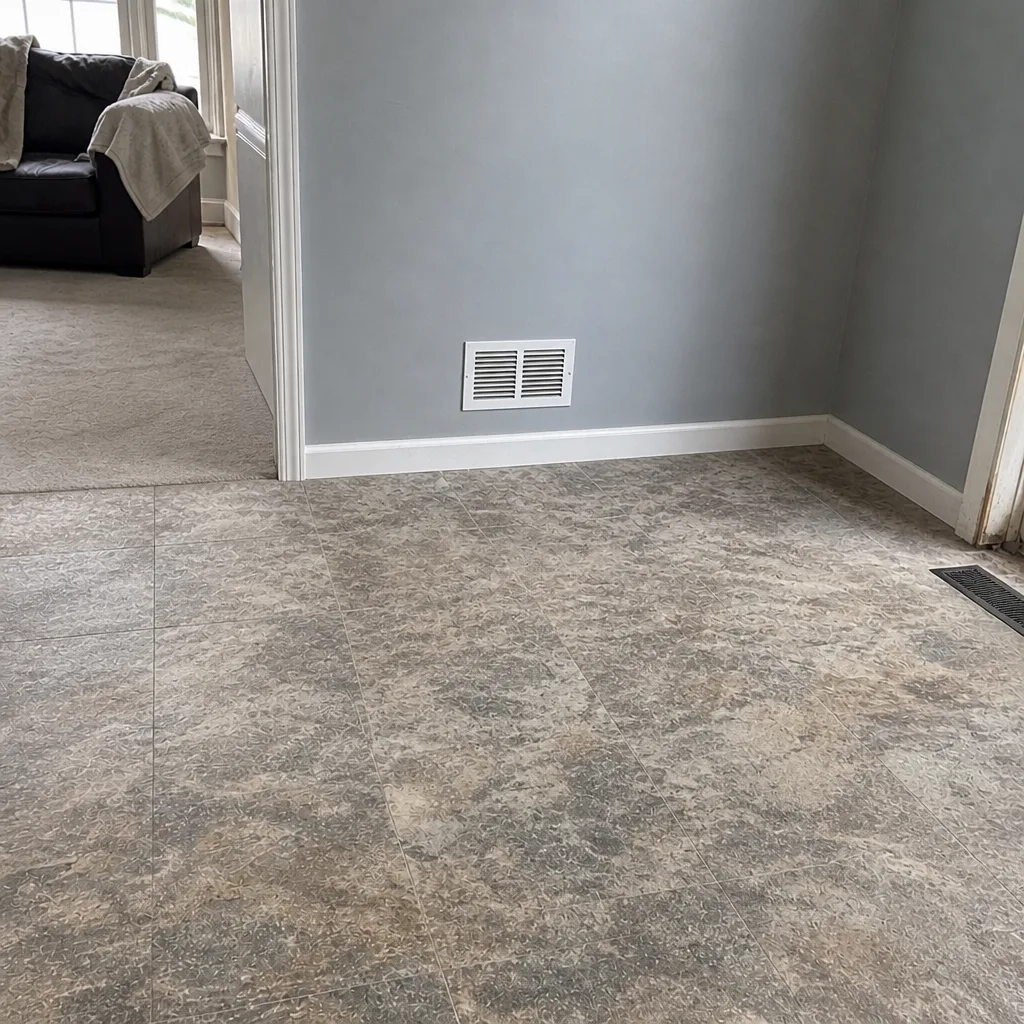
See the difference
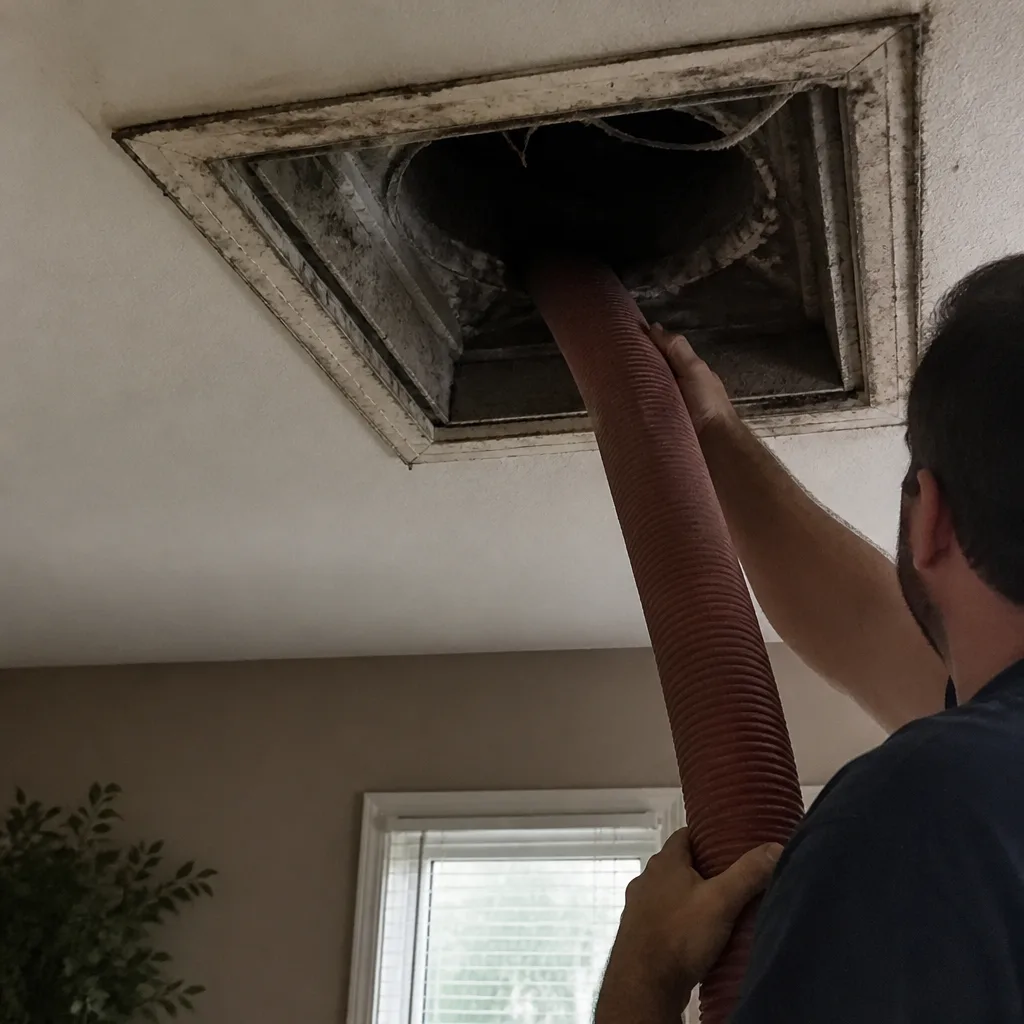 Before
 After
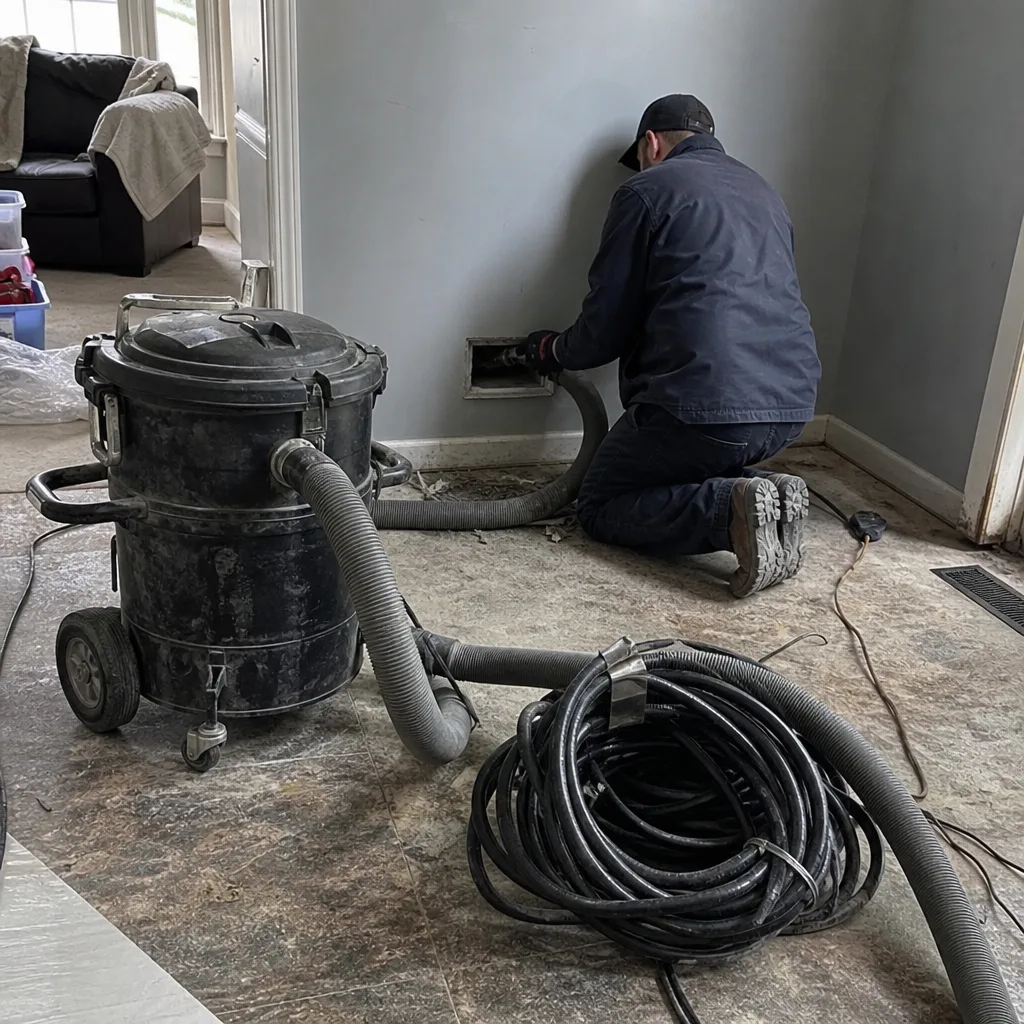 Before
 After
 Before
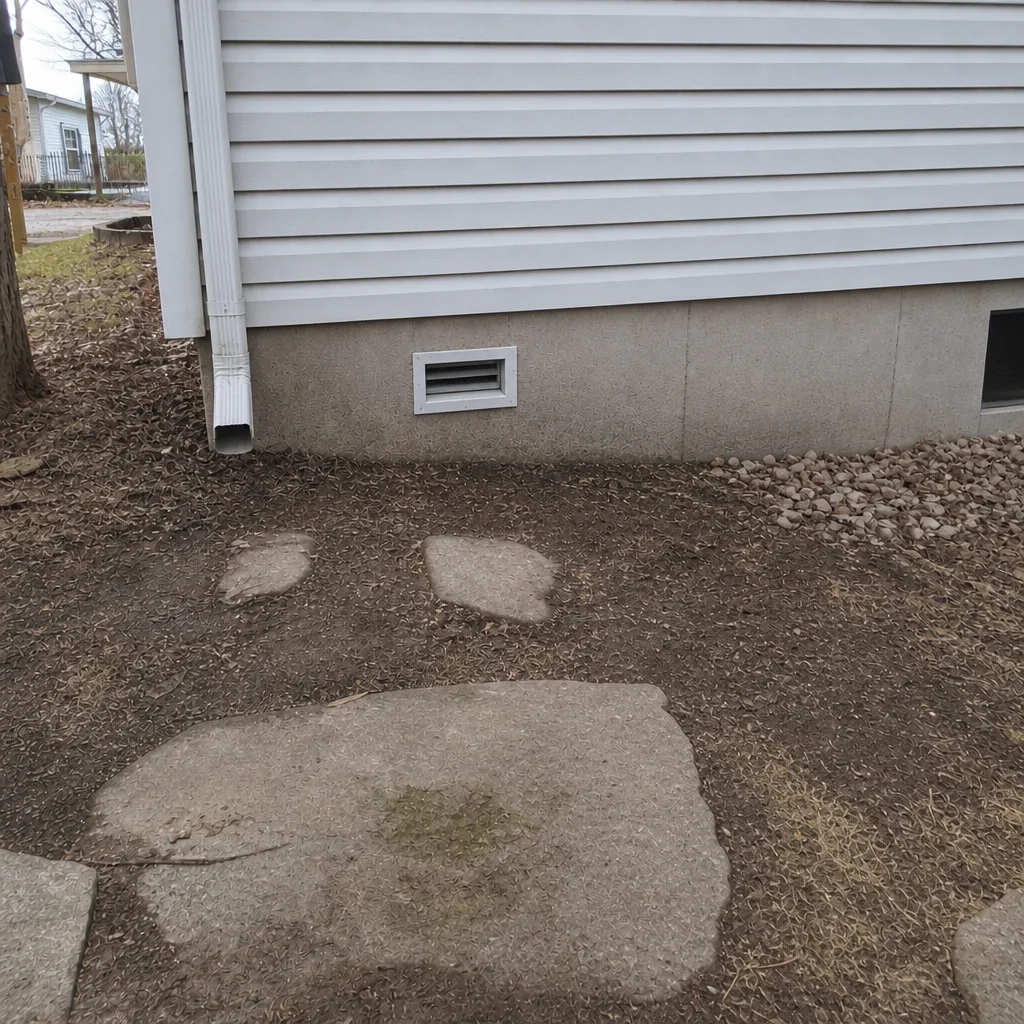 After
When to Call a Professional
Call when your checklist produces two or more monitor-level signals in a single season, or any call-now signal. That’s typically visible soiling in a register boot, a filter interval that’s collapsed, airflow imbalance across multiple rooms, a persistent musty odor from returns, or a dryer vent that isn’t moving air freely. If your ducts are older and you’ve never had them inspected, one professional assessment gives you a real baseline to check against for the next few years.
Sentry Air Duct Cleaning offers free estimates in Indianapolis. Call (888) 382-8408. We answer 24/7. Fast dispatch from 7am to 7pm, Sunday through Friday.
Frequently Asked Questions
Most Indianapolis homes do well with professional cleaning every two to four years, but the honest answer is that the interval depends on your checklist signals, not a fixed calendar. Heavy load from pets, recent renovation, or older ductwork shortens the interval. A low-load home can safely go longer if the register and filter checks stay clean. Call (888) 382-8408 for a free estimate; the inspection tells you what your system actually needs.
A schedule tells you when to clean; a checklist tells you whether you need to. The checklist tracks observable indicators (register soiling, airflow balance, filter loading rate) so you can time professional cleaning to real evidence. A schedule is a fallback for people who don’t want to track anything. Both are valid, but the checklist often saves money because it flags small problems before they compound.
A filter that fills in half your normal interval usually means material is arriving at it faster, which points to duct contamination, a filter sealing problem, or both. Check whether your return grilles are also soiling faster than usual and whether airflow is balanced across rooms. If two signals line up, book an inspection. Call (888) 382-8408 and we’ll give you a free estimate.
Brush-contact cleaning physically dislodges debris from the duct walls, where air-whip methods rely on agitation alone and leave adhered material behind. In our experience, the difference shows up most in older ductwork with years of settled, compacted debris. It’s the reason we use Rotobrush brush-contact systems and Nikro HVAC equipment rather than repurposed shop vacuums.
Cost depends on system size, number of registers, and whether repair is needed, so we quote one flat price per system after an on-site assessment. We never price per vent, and the written estimate sets the final price. If a quote from another company seems cheap, ask what equipment will actually be used and whether the price is for the whole system. Call (888) 382-8408 for a free estimate.
Yes, and it runs on its own schedule. A clogged dryer vent is a fire hazard and a common one in Indianapolis homes, so the trap and exterior cap checks are monthly, separate from the supply-side register checks. Lint accumulation doesn’t announce itself until drying times change. Dryer vent cleaning addresses the full run, not just the visible trap.
The Bottom Line
A maintenance checklist earns its keep by tracking the rate of decline in your system, not by reminding you to change a filter. Record register appearance monthly, test airflow seasonally, watch your filter loading interval against your own baseline, and check the dryer vent every month. When two or more signals move at once, call. Sentry Air Duct Cleaning serves Indianapolis with professional-grade Rotobrush and Nikro equipment, Abatement Technologies containment, and repair capability, plus it works with Honeywell and Aprilaire air quality products. Our technicians have up to 13 years of experience. Call (888) 382-8408. We answer 24/7. Fast dispatch from 7am to 7pm, Sunday through Friday. For a full picture of what air duct cleaning in Indianapolis involves, our team can walk you through it before you book.
Written by the team at Sentry Air Duct Cleaning.