
Last updated November 16, 2026
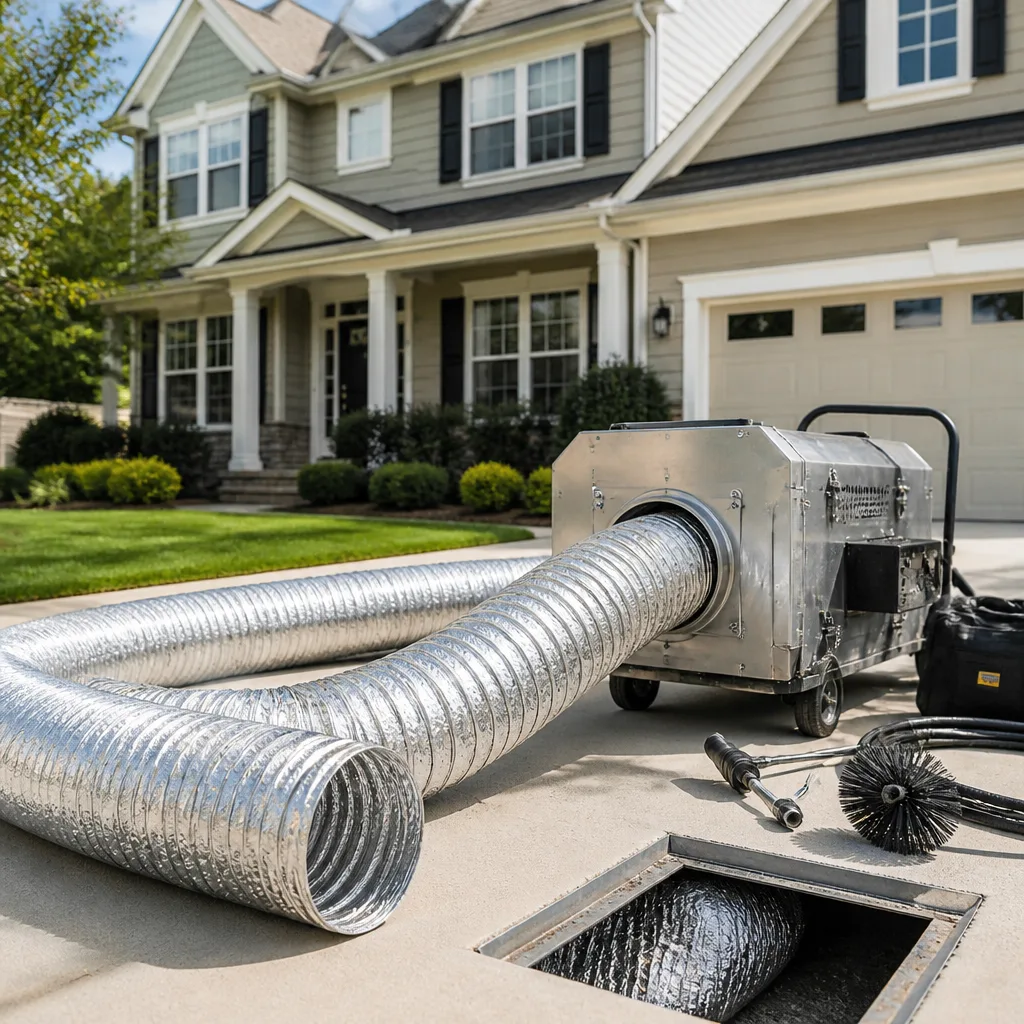 Whole-home duct cleaning
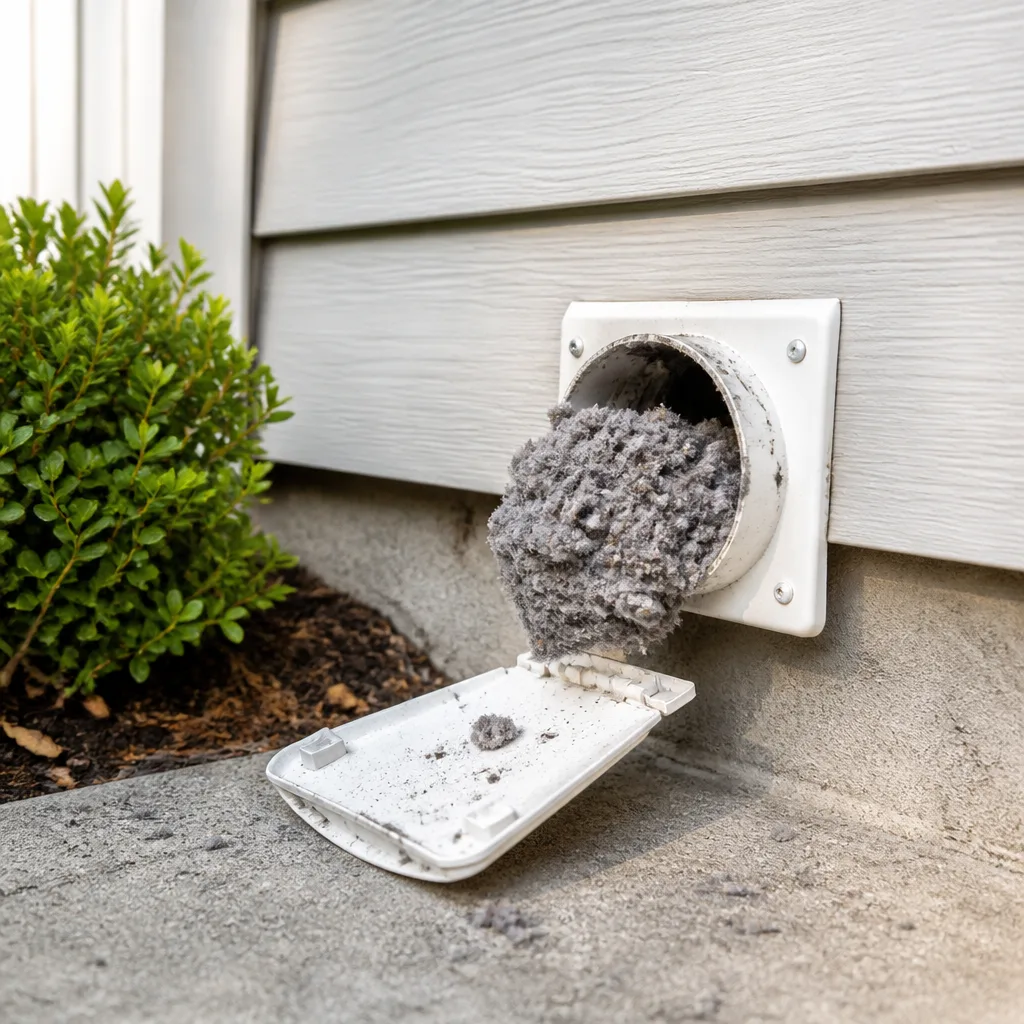 Dryer vent cleaning
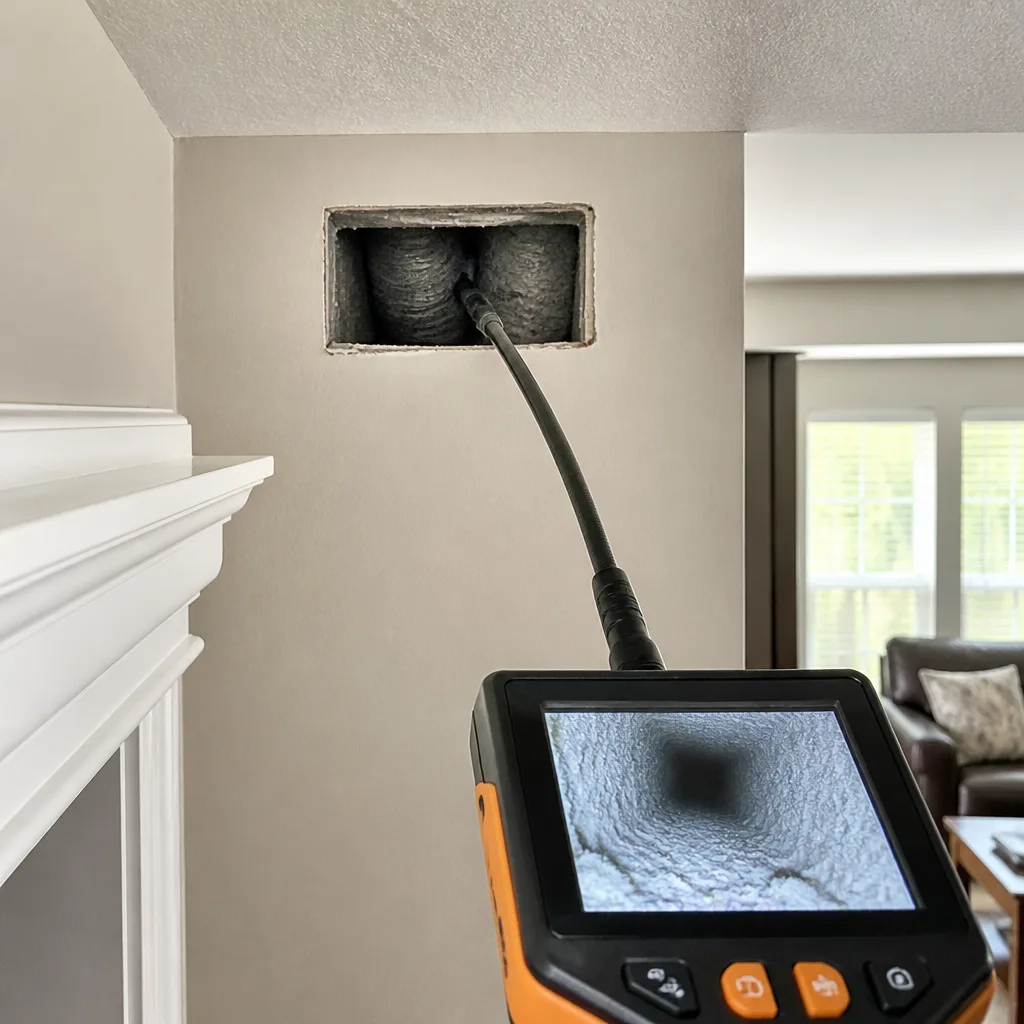 Camera inspection
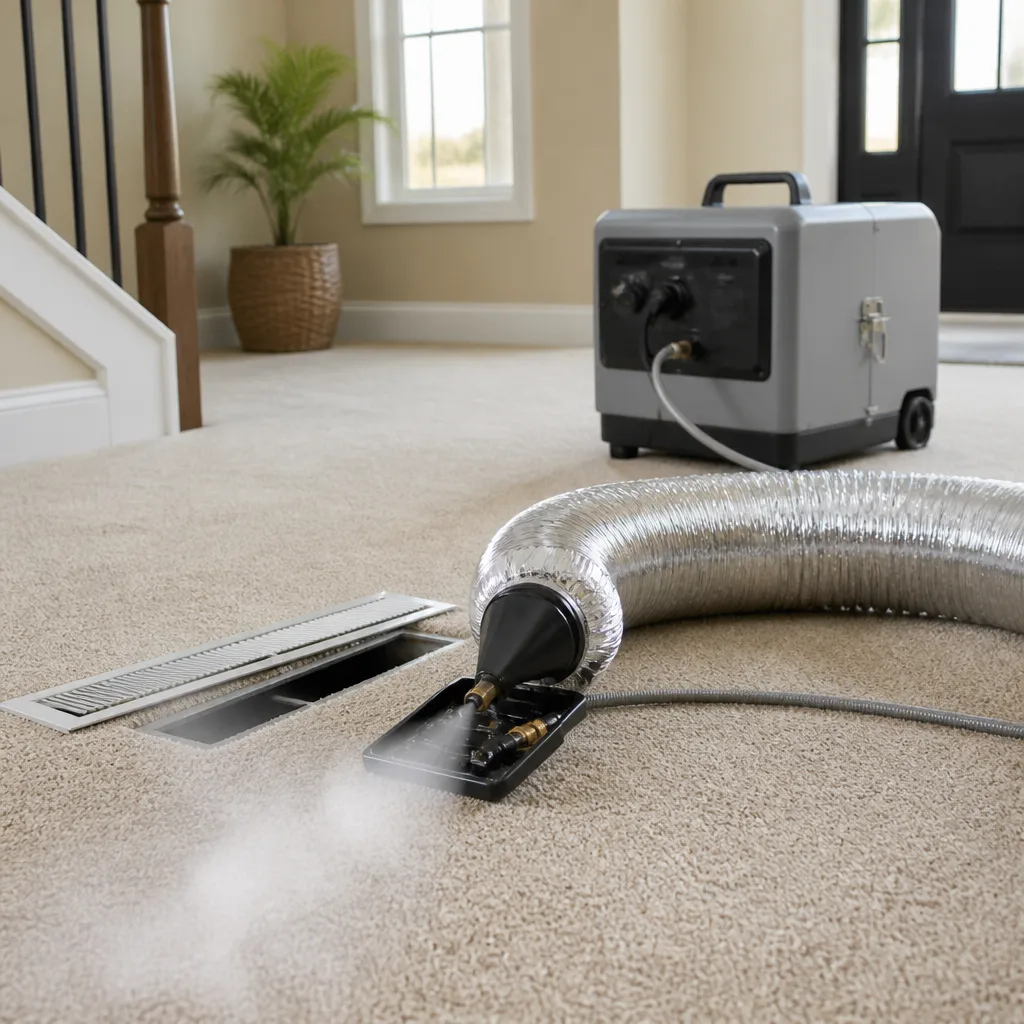 Sanitizing & deodorizing
Whole-system duct and dryer vent check with before-and-after photos - you see exactly what came out of your vents
That "$99 whole-house special" is a bait ad - the real number appears once they are in your hallway, or the "clean" is a shop-vac at the register. We photograph the inside of your ducts before and after instead.
Air Duct Cleaning Emergency Preparedness Guide for Indianapolis Homes
Most Indianapolis households have a plan for the obvious emergencies: the sump pump fails, the power drops after an ice storm, a kitchen fire gets put out fast. What almost nobody plans for is the ductwork afterward. Here’s the part that catches people off guard. After a basement flood in a central Indianapolis home, the return air plenum often sits just 18 inches above the floor, which puts it well inside the contamination zone of a 12-inch flood. The system that heats and cools your house can quietly become the thing that spreads what the flood left behind. This guide walks through what to do with your ducts after flooding, fire, wind, and moisture problems so you don’t run the system and make it worse.
Quick Answer
After any flood, fire, or high-wind event, don’t run your HVAC system until you’ve had the ductwork inspected for water, soot, or debris intrusion. If water reached the return plenum or any duct run, the system needs cleaning and drying within 48 to 72 hours to head off mold growth. Storm events also call for a check of exterior duct terminations, dryer vents, and rooftop caps before you power the system back up. Document everything with photos for your insurance claim before anything gets cleaned.
Styles & brands we work with
- Whole-home duct cleaning
- Dryer vent cleaning
- Camera inspection
- Sanitizing & deodorizing
Table of Contents
- Post-Flood Protocol: Was Your Ductwork Contaminated?
- Fire and Smoke Events: Why You Shouldn’t Run the HVAC
- Storm Debris Intrusion After High-Wind Events
- The 48 to 72 Hour Mold-After-Moisture Window
- Documenting Duct Condition for Insurance
- What to Check Before You Turn the System Back On
- When Duct Work Needs a Specialist, Not a Handyman
- Common Mistakes to Avoid
Post-Flood Protocol: Was Your Ductwork Contaminated?
When a basement floods, the first thing everyone does is cut the power and start pulling water out with a wet vac. Reasonable. But the duct question gets skipped, and it’s the one that decides whether your indoor air stays clean or turns into a problem for months. The reason comes down to where the equipment sits. In a lot of Indianapolis homes with a basement furnace, the return air plenum sits low, often around 18 inches off the floor. A 12-inch flood event puts that plenum right in the splash zone. If the blower was running when water came in, or if the system cycled on before power was cut, the return side may have pulled in floodwater, silt, and whatever the water was carrying.
Here’s how to work through it before you run anything.
- Confirm the power is off. Don’t test the system to “see if it still works.” That’s exactly the move that spreads contamination through the whole house.
- Look for a water line on the air handler and nearby ducts. A visible stain or tide mark at the plenum or duct seams tells you water reached that point.
- Check the return grilles for debris. Silt, leaf matter, or grit inside the return means material made it into the duct path.
- Smell the registers. A musty or river-bottom odor coming off the supply vents is a strong sign moisture and organic material are sitting inside.
- Photograph everything before anyone touches it. More on that in the insurance section below.
If any of those checks come back positive, the duct system needs professional cleaning with equipment built for contamination, not a shop vac and a garden hose. When we clean a flooded system, brush-contact tools like the Rotobrush system physically work the duct walls to dislodge debris rather than relying on air pressure alone, and negative-air filtration through Abatement Technologies equipment holds dislodged particulates during the job. That’s the difference between cleaning and redistributing.
Fire and Smoke Events: Why You Shouldn’t Run the HVAC
A contained kitchen fire feels like a small event once the flames are out and the fire department has cleared the house. The instinct afterward is to run the heat or air to clear the smoke smell. Don’t. Smoke from even a small fire carries fine carbon particles and combustion residue, and an HVAC system is designed to move air through every room in the house. Start the blower and you take the residue concentrated in the kitchen and distribute it into the duct runs, the insulation of the flexible connections, and the interior of the air handler. What was a one-room mess becomes a whole-house cleaning.
That’s the part most homeowners don’t hear. The fire damage gets handled by the restoration crew. The ductwork sits there loaded with soot and odor, and then the first cool evening after the fire, someone turns on the furnace.
What the duct system actually needs after a fire event:
- Inspection of the return path first. Smoke gets pulled into returns before it settles, so the return side is usually the dirtiest.
- Cleaning of supply trunks and branches, not just the registers. Wiping the grille does nothing for what’s behind it.
- Attention to flexible duct sections. Corrugated flex duct traps soot in its ridges and doesn’t respond to a quick pass with a vacuum.
- Replacement of the filter, and often a look at the blower wheel. Soot sticks to the wheel and can throw the blower off balance.
This is where purpose-built equipment matters. Brush-contact cleaning works the ridges and seams of the duct, and professional filtration during the job keeps the fine carbon from migrating into the rest of the house while the work happens. If the fire was small, you can still have a real duct problem. Size of the fire and size of the duct contamination don’t track the way people expect.
Storm Debris Intrusion After High-Wind Events
Central Indiana gets strong straight-line winds and the occasional tornado, and the HVAC system has several openings to the outside that wind finds. When a storm passes, most people check the roof, the gutters, and the fence. Very few check the duct terminations. Those are the exterior points where the duct system meets the weather: fresh-air intakes, exhaust runs, dryer vent terminations, and rooftop exhaust caps. High wind can push debris, leaf matter, and water into any of them.
A few spots worth walking the exterior to check:
- Dryer vent termination. A flap that’s been bent open or clogged with debris lets rain and pests in, and a blocked vent is a fire hazard on its own. If you haven’t given the dryer vent cleaning side of your house a look in a while, a storm is a good forcing function.
- Rooftop exhaust caps. A cap that’s been knocked loose or flipped lets water straight down the run. Look for a displaced cap or a visible gap from the ground with binoculars.
- Fresh-air intake. On newer, tighter Indianapolis homes, the fresh-air intake is a straight path inside. Leaves and grit get pushed against the screen and can work through.
- Exterior duct terminations under a deck or soffit. Debris piles up here and stays hidden.
If you find a loose cap, a bent termination flap, or debris you can’t reach, that’s a repair, not a cleaning. Not every duct company handles that, which is why we offer air duct cleaning and duct repair under the same roof, so you’re not calling a second contractor to fix what the cleaning turns up. Tornado-driven debris can also crack flex duct joints inside the attic or crawlspace, so if you had roof damage or lost shingles, it’s worth an inspection of the runs up there too.
The 48 to 72 Hour Mold-After-Moisture Window
The gap between an inconvenient cleaning job and a full remediation project comes down to time, and the window is short. In a central Indiana home with typical indoor humidity, mold can begin to establish on wet organic material like dust and debris inside ductwork in roughly 48 to 72 hours after water intrusion. Once that starts, duct cleaning alone won’t be enough. You’re into remediation territory, which we don’t provide, and the job gets more expensive and more disruptive.
So the practical advice is simple. The clock starts when the water shows up, not when somebody finally gets around to it. If any part of the duct system got wet, whether from a flood, a roof leak that found its way into a ceiling run, or a humidifier feed line that let go, get drying started and get an inspection on the schedule within that window. A dehumidifier running in the basement helps the overall house, but it can’t reach inside the duct runs. Air has to be moved through the system with the right equipment to actually dry the interior of the ducts.
What to prioritize in the first 48 hours:
- Get standing water out of the basement and pull wet materials away from the plenum and duct runs.
- Run dehumidifiers in the affected space to bring the ambient humidity down.
- Keep the HVAC system off until it’s been inspected and dried.
- Call for an inspection within the window so you know whether you’re dealing with a cleaning or a remediation.
If the inspection comes back as a cleaning, you’re in good shape. If it comes back as wet insulation or active growth, you need a remediation specialist, and we’ll tell you that plainly. Our job is to guard your air, and part of that is knowing what falls outside what we do.
Documenting Duct Condition for Insurance
Insurance adjusters aren’t on site with you, and they need a record of what happened before the cleaning crew shows up. If you clean the duct system and then file the claim, you’ve erased the evidence. So documentation comes first. The word “documentation” sounds like paperwork; in practice it’s a set of photos and notes taken in about ten minutes, before anyone touches the ductwork.
Here’s what adjusters typically want to see:
- Date and time the water or smoke event occurred. A timeline matters.
- Photos of the water line on the air handler, plenum, and any ductwork with a visible tide mark.
- Photos inside the return grille showing debris, silt, or soot.
- Photos of the duct interior if you can get a light and a phone camera into the supply registers, without forcing anything.
- Photos of any damaged exterior terminations, caps, or dryer vents after a storm.
- A written record of what equipment was running when the event happened, and when power was cut.
- The invoice and scope from the cleaning company once the work is approved and done.
Most policies treat duct cleaning after a covered water or fire event as part of the loss, but every policy is different. Ask your adjuster directly and get the answer in writing before work starts. We can work with your insurer and provide photos and a written scope of the affected duct runs to support the claim.
What to Check Before You Turn the System Back On
Before the system gets switched back on after any of the events above, there’s a short list worth working through. This is a sequence to follow, not a repair guide. Anything involving opening the air handler, the blower, or wiring goes to a licensed professional.
- Confirm the ductwork is dry. A wet system run for an hour turns a cleaning into a mold problem.
- Replace the filter. A filter loaded with flood silt or soot is doing the opposite of filtering.
- Look for anything that fell into a grille. Debris in a return can find its way to the blower.
- Check that exterior terminations are clear. Blocked dryer vents and exhaust caps can trip safety switches or fail to vent properly.
- Smell the air at a supply register after the system runs for a few minutes. A musty or smoky smell means the ducts need professional attention.
- Ask whether the ductwork was inspected inside. If the answer is “we aired it out,” that’s not an inspection.
Any part of that involves touching the electrical panel, the air handler wiring, or gas-fired equipment, stop and call a licensed technician. Ductwork is our lane. Combustion and electrical equipment belongs to a specialist.
When Duct Work Needs a Specialist, Not a Handyman
The word “cleaning” undersells what’s involved after a real contamination event. Air-whip-only methods and standard shop vacuums move loose dust around but don’t work the duct walls where soot and silt settle. That matters more after a fire, a flood, or a storm than it does during routine maintenance. This is the reason we run Rotobrush brush-contact systems and Nikro HVAC equipment on every job, not just the hard ones. Brush-contact cleaning physically dislodges debris from duct walls rather than pushing it downstream.
It’s also why we use Abatement Technologies air filtration during cleaning, which is the same category of air filtration used in professional remediation. Containing dislodged particulates while you’re cleaning is a contamination-aware approach, and the alternative is spreading material from the basement into the bedrooms while you work. For households with allergies, a recent renovation, or older ductwork, that difference shows up in how the house feels after the job.
Where we stop is just as important. We handle cleaning, repair, and dryer vent safety. We don’t do mold remediation, and we don’t do HVAC installation or repairs. If the inspection turns up mold inside the ductwork, we’ll point you to a remediation specialist rather than run a cleaning that won’t fix the problem. Our technicians have up to 13 years of experience, and they’ve seen the cases where a “quick clean” made things worse. Long-term air quality also means working with the equipment already in the house, which is why we work with brands like Aprilaire and Honeywell indoor air quality products.
If your home is anywhere in Indianapolis, from Broad Ripple to Irvington to the near west side, the priority order is the same: document, inspect, clean or repair, then run the system.
Common Mistakes to Avoid
These come up again and again, and each one turns a manageable job into a bigger one.
- Turning the HVAC system on to “test” it after flooding. If water reached the return plenum, running the blower is what pushes contamination into the whole house. Leave the power off until an inspection is done.
- Wiping the registers and calling it clean. The visible grille is about 5% of the duct path. The dirt that matters is behind it, in the trunk and branches.
- Running the heat after a fire to clear the smell. This is the single fastest way to spread carbon particles through every room. On a cold Indianapolis morning in January, that impulse is strong, and it’s still the wrong move.
- Letting the mold window close. Waiting a week to schedule duct inspection after water intrusion puts you past the 48 to 72 hour point, and into a remediation project. Call while the dehumidifiers are still running.
- Cleaning before documenting. Without photos and a timeline of the water line, soot, or debris, an adjuster has nothing to work from. Document first, clean second.
- Skipping the exterior after a storm. Check the dryer vent flap and rooftop exhaust caps before you run the system. A displaced cap sends rain straight down the duct run.
- Calling an air-whip-only crew for a contaminated system. Air-whip methods work for light dust and do little for soot, silt, or flood debris. Use a company with brush-contact equipment and containment filtration.
See the difference
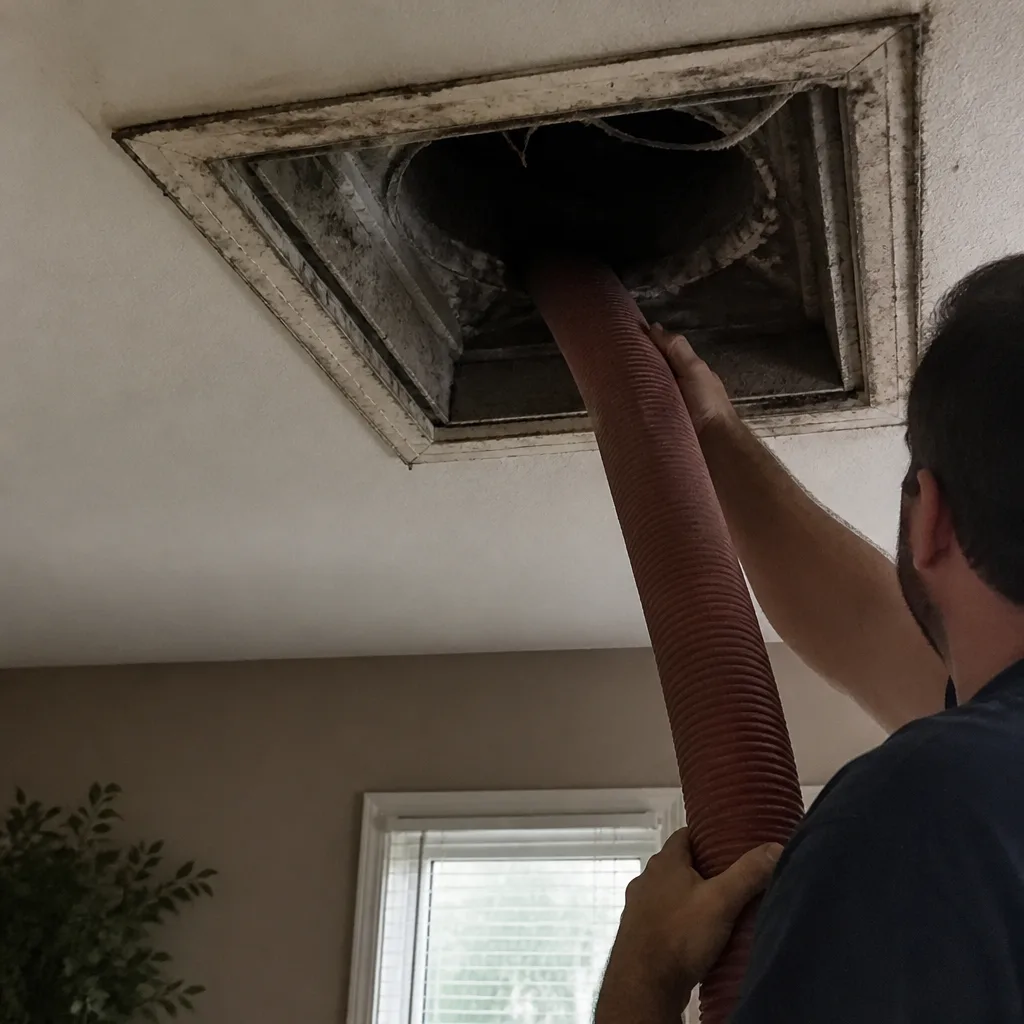 Before
 After
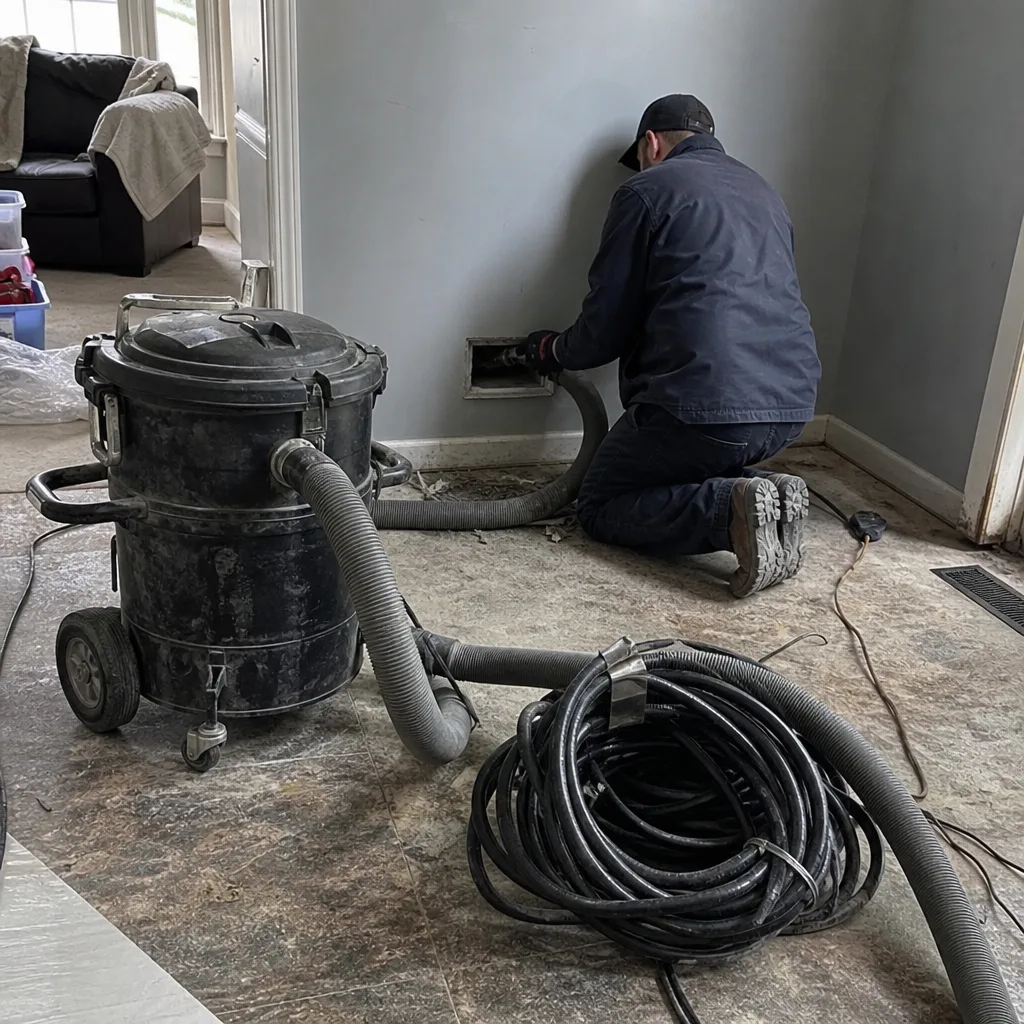 Before
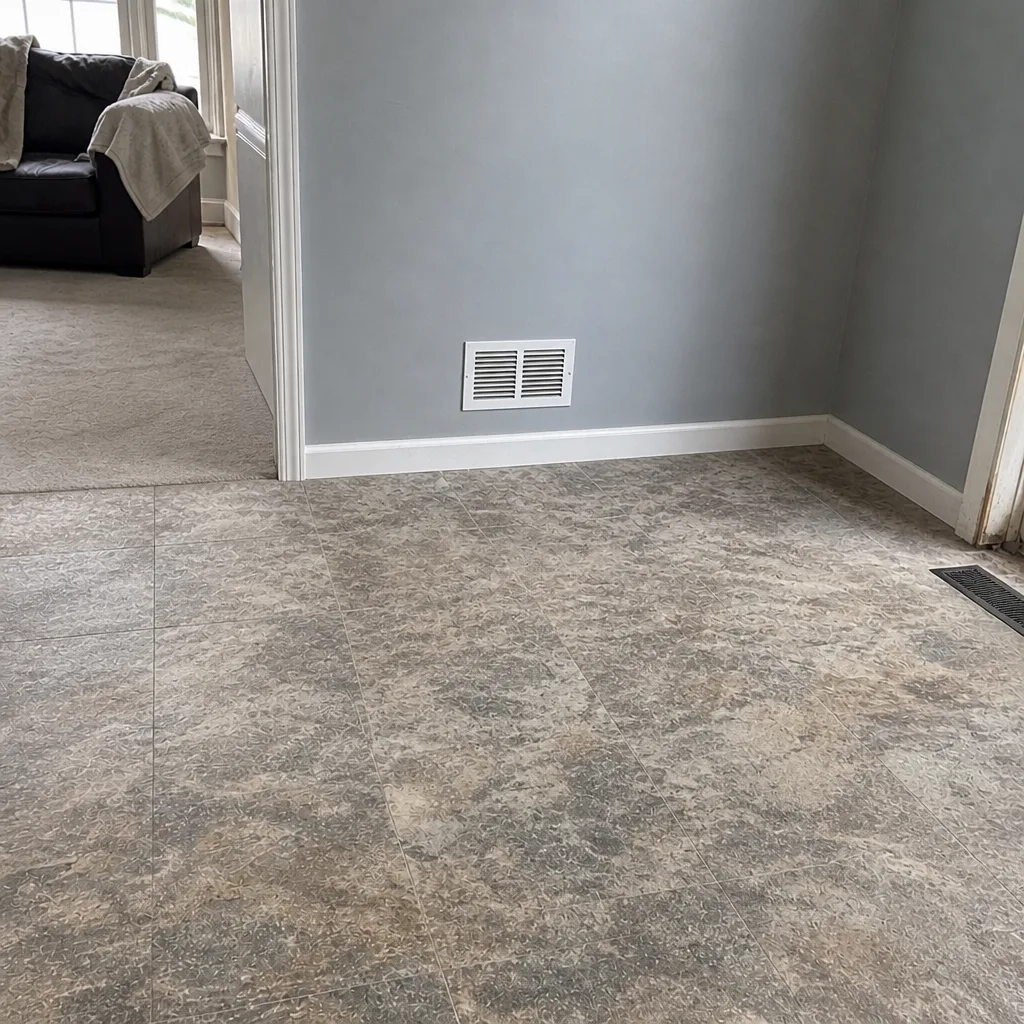 After
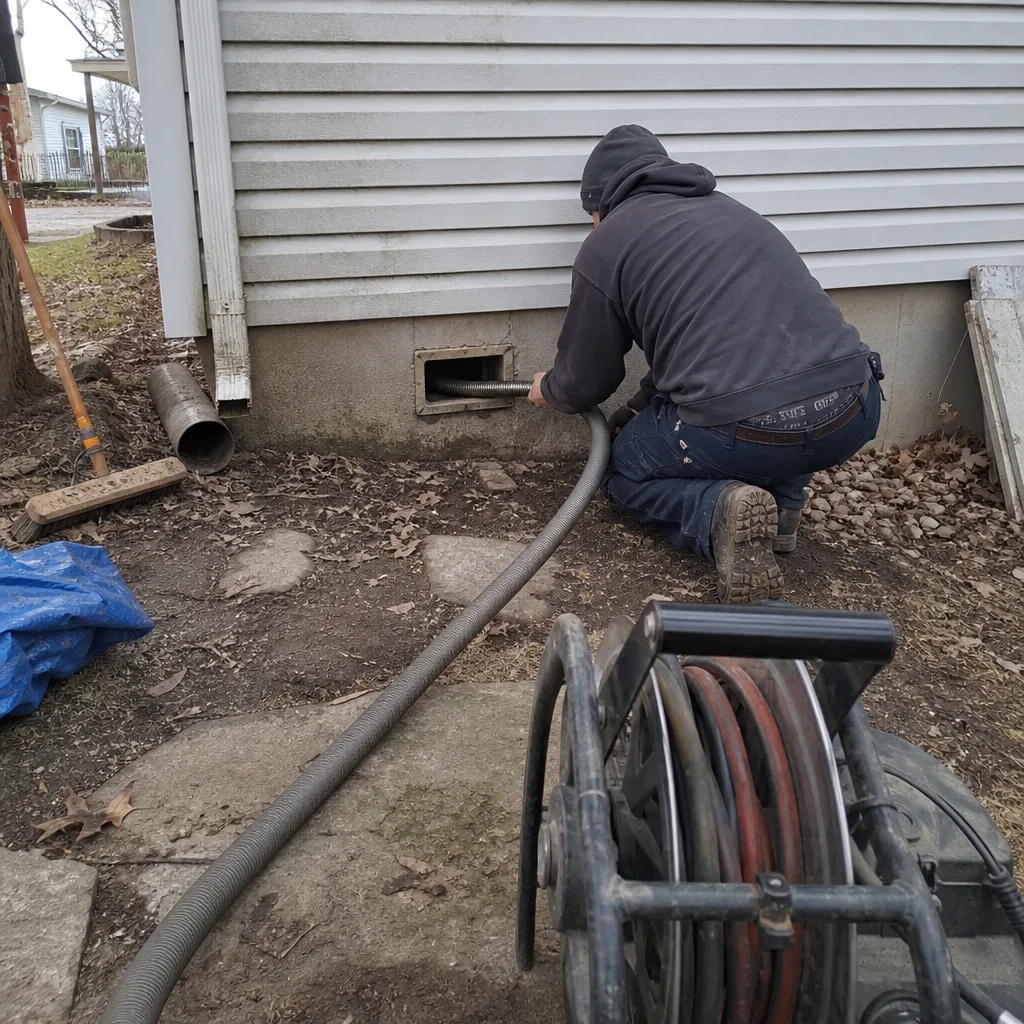 Before
 After
When to Call a Professional
Call a professional if any of these apply: water reached the basement plenum or any duct run; you can see a water line or smell mustiness at the registers; a fire, even a contained kitchen fire, happened in the house and the system ran afterward; a storm knocked loose a rooftop cap or exterior termination; or more than 48 hours have passed since water intrusion and the ductwork hasn’t been inspected and dried. If you’re not sure whether something reached the ducts, an inspection answers the question, and a free estimate costs you nothing. Sentry Air Duct Cleaning offers free estimates in Indianapolis. Call (888) 382-8408. We answer 24/7. Fast dispatch from 7am to 7pm, Sunday through Friday.
Frequently Asked Questions
No. Keep the system off until the ductwork has been inspected and dried. If the return plenum or any duct run got wet, running the blower pulls floodwater residue and silt into the ducts and distributes it into every room. Call for an inspection before you power back up. Call (888) 382-8408 for a free estimate.
Mold can start establishing on wet debris inside ductwork within about 48 to 72 hours after water intrusion. That’s the window to get the system inspected and dried. Once established growth is present, it’s a remediation job, not a cleaning, and it needs a different specialist. Call now for an inspection while you’re still inside that window.
Probably yes. Even a small fire produces fine carbon particles that settle into the return path before the flames are fully out. Running the system afterward pulls those particles into the supply runs and distributes them across the house. Have the ductwork inspected before the first time you run the heat or air after a fire. Call (888) 382-8408 for an exact quote.
Check the dryer vent termination flap, the rooftop exhaust caps, the fresh-air intake, and any exterior duct terminations under a deck or soffit. Look for a bent or missing flap, a displaced cap, or visible debris packing a screen. Anything you can’t reach safely from the ground needs a professional. Call with what you find; estimates are free.
They typically need a timeline of the event, photos of the water line or soot on the plenum and ductwork, photos inside the return grille, and photos of any storm damage at exterior terminations. Crucial: document before cleaning. Once the system is cleaned, the evidence is gone. Call us if you need an inspection and a written scope to support a claim.
Often both after a storm that caused roof damage or shifted flex duct in the attic or crawlspace. Cleaning handles what’s inside the ducts; repair handles cracks, disconnected joints, and loose terminations the cleaning turns up. We do both, so you don’t need a second contractor. Call (888) 382-8408 for a free estimate.
The Bottom Line
The emergency you plan for usually isn’t the one that causes the long-term problem. Water, smoke, and storm debris all find their way into the duct system, and the system quietly spreads what’s in there if it gets powered back up too soon. The order that works in Indianapolis homes is document, inspect, clean or repair, then run. The 48 to 72 hour window after water intrusion is the one fact worth remembering under pressure. If a fire happened, don’t run the heat to clear the smell. If a storm passed through, check the dryer vent, the caps, and the terminations before you switch the system on. If you’re not sure, an inspection tells you, and a free estimate costs nothing. Call (888) 382-8408. We answer 24/7. Fast dispatch from 7am to 7pm, Sunday through Friday. Sentry Air Duct Cleaning offers free estimates in Indianapolis, with cleaning, repair, and dryer vent safety handled together. Licensed and insured, one flat price per system agreed before work starts, and before-and-after photos of your own ducts so you can see the work.
Written by the team at Sentry Air Duct Cleaning.