
Last updated November 16, 2026
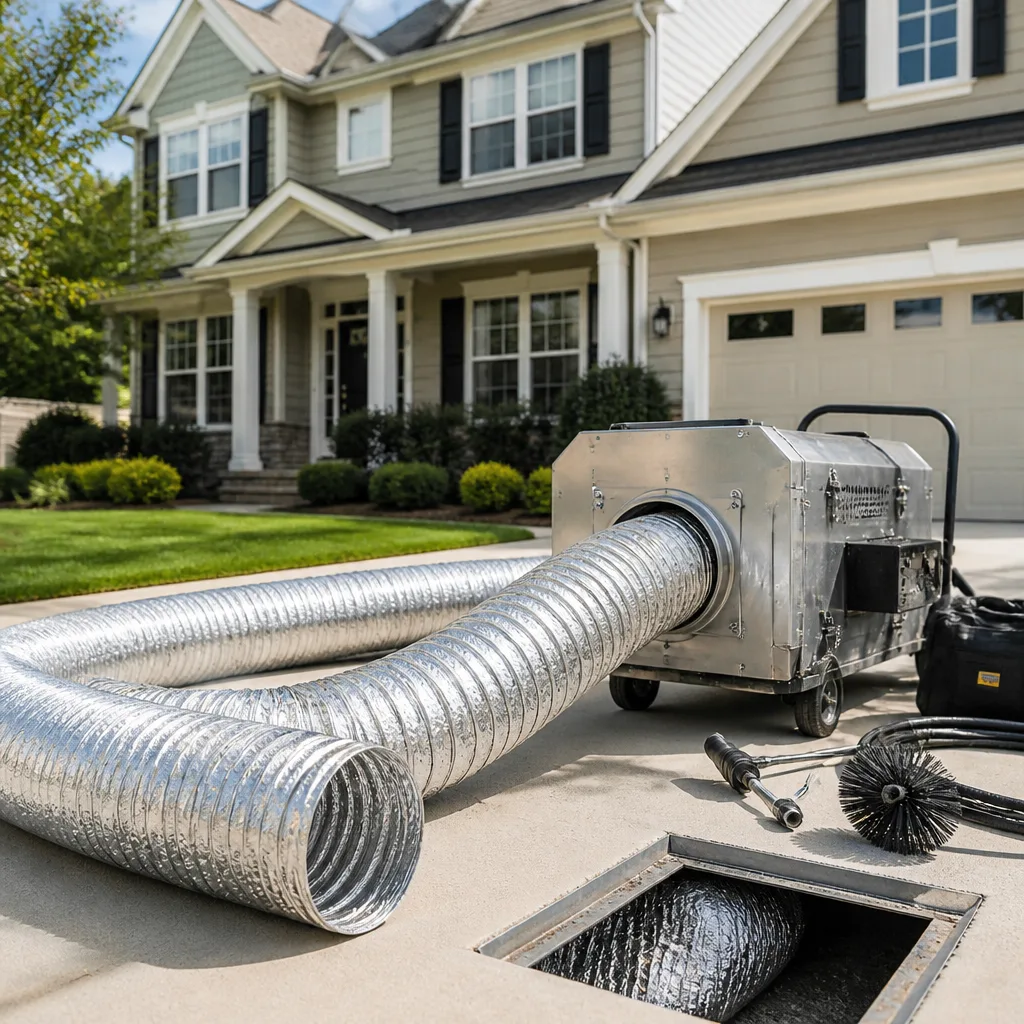 Whole-home duct cleaning
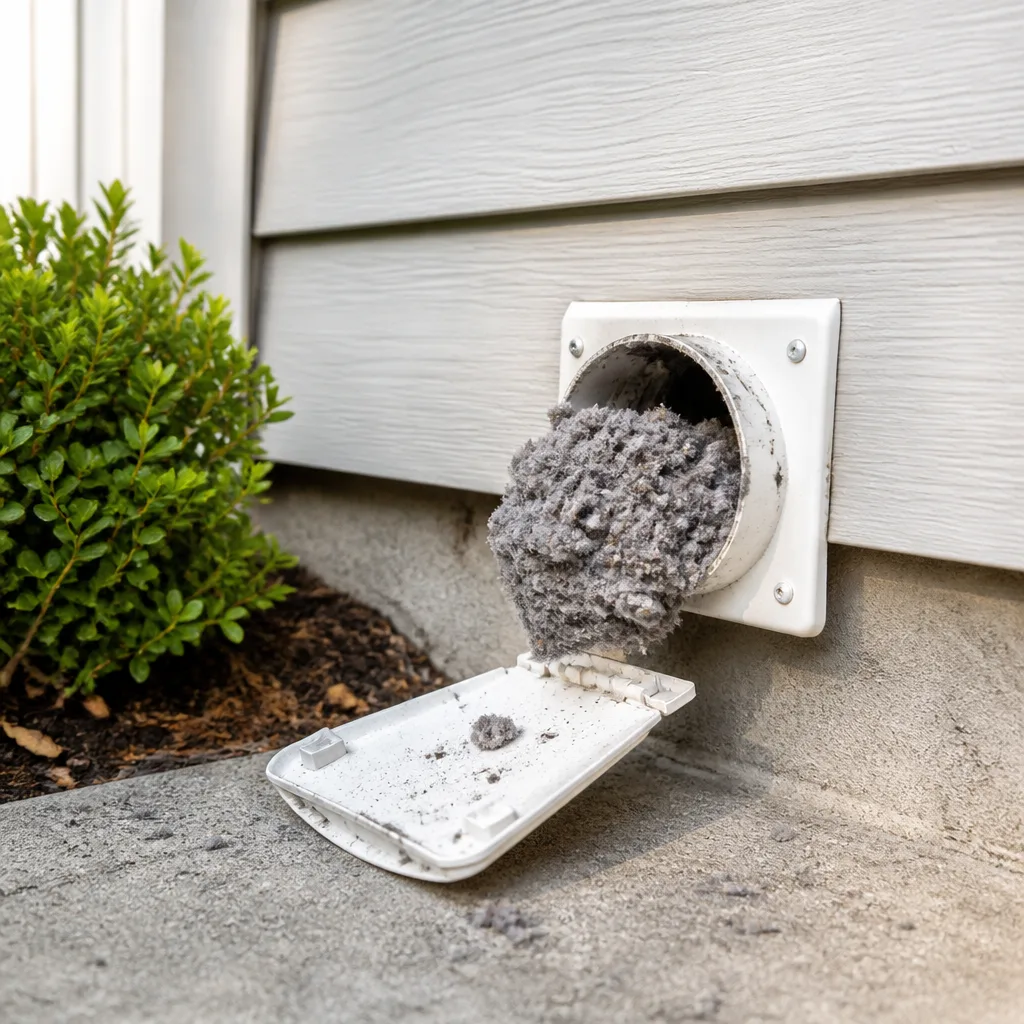 Dryer vent cleaning
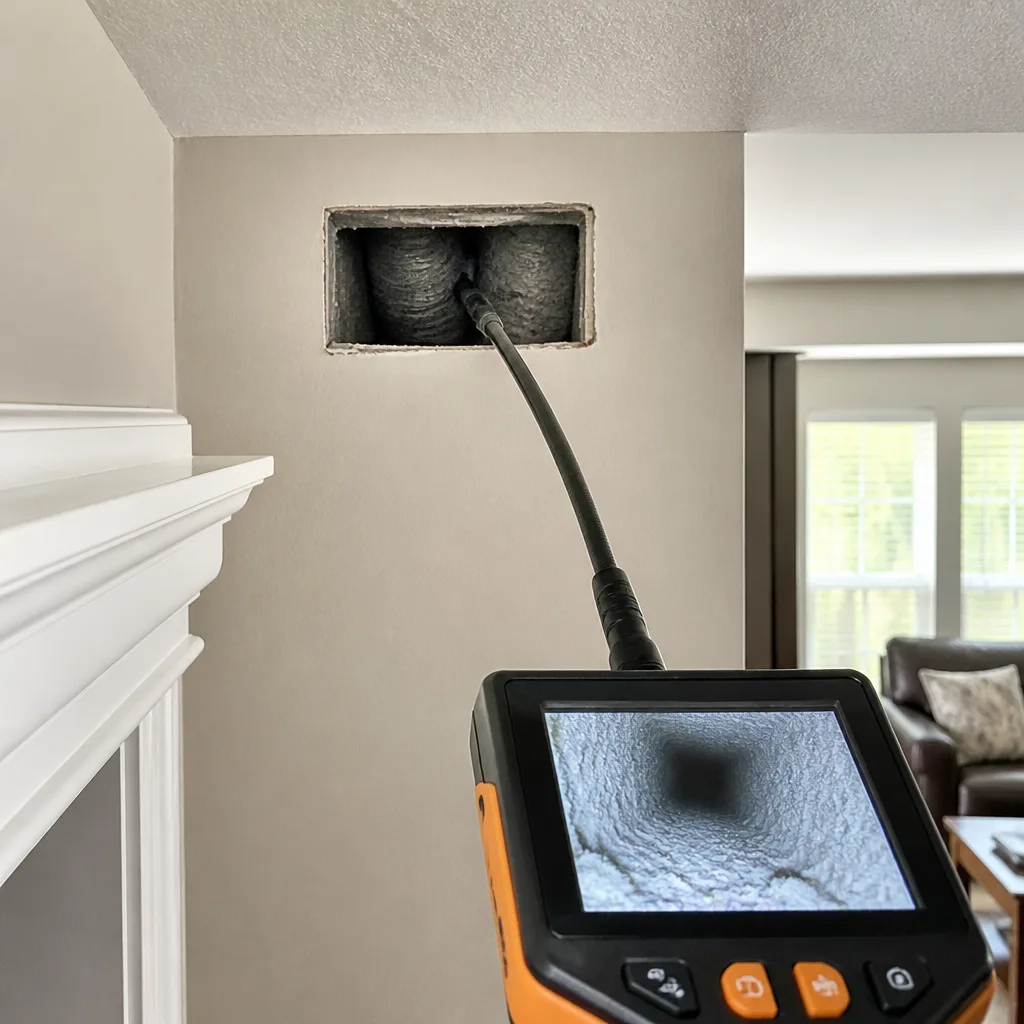 Camera inspection
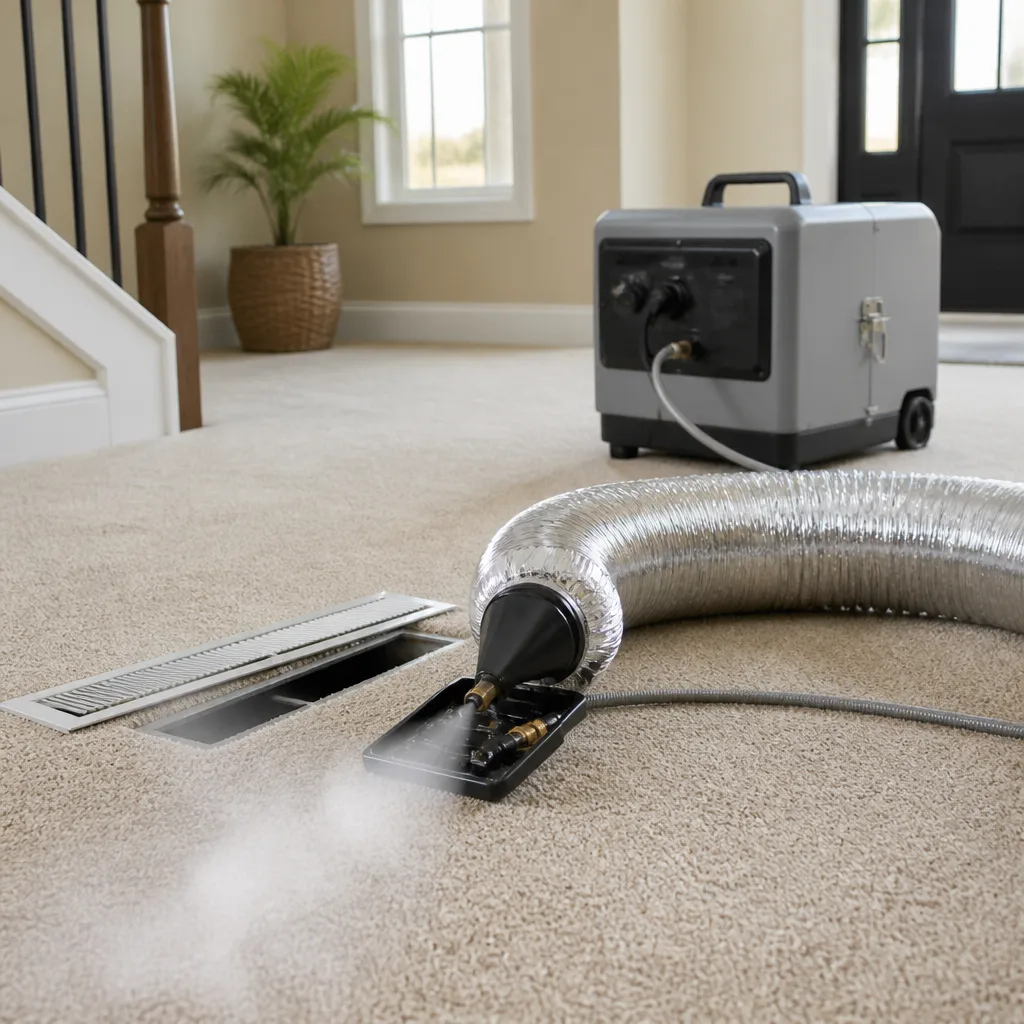 Sanitizing & deodorizing
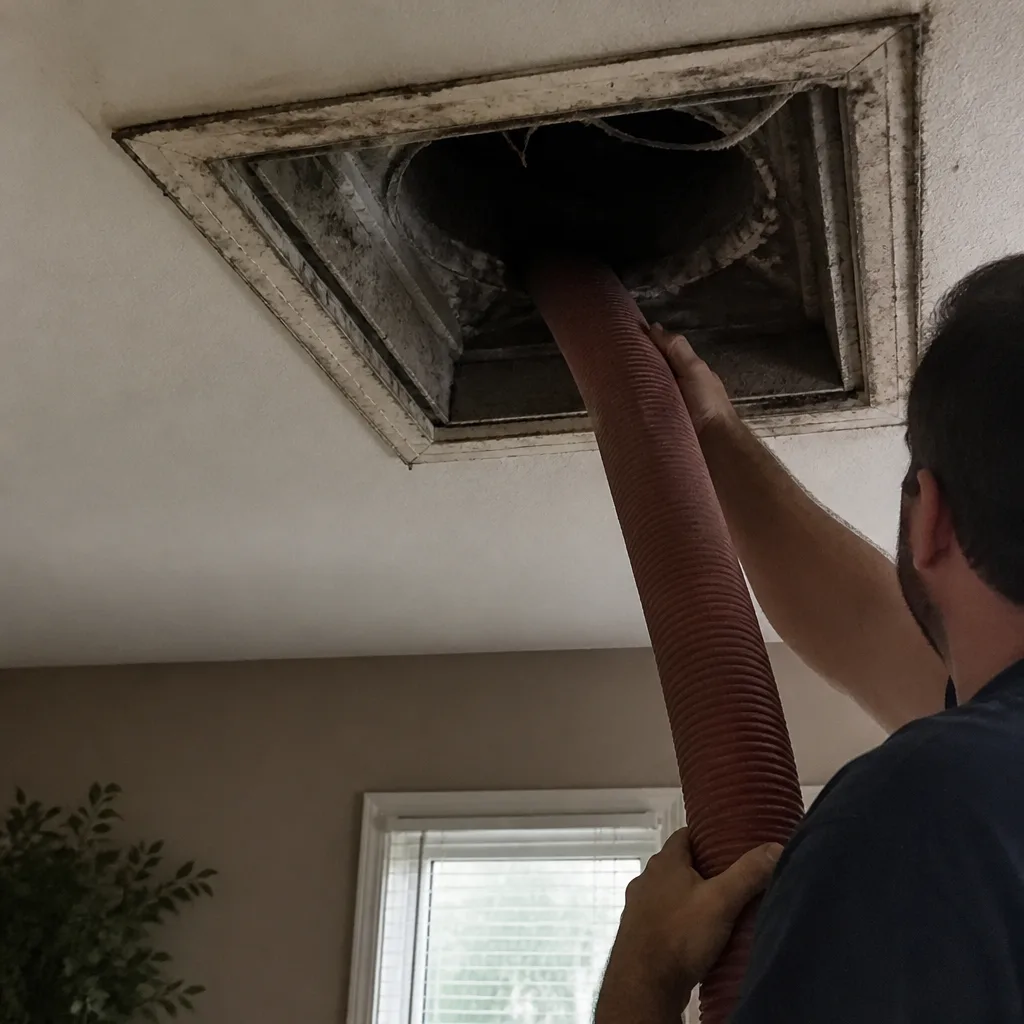
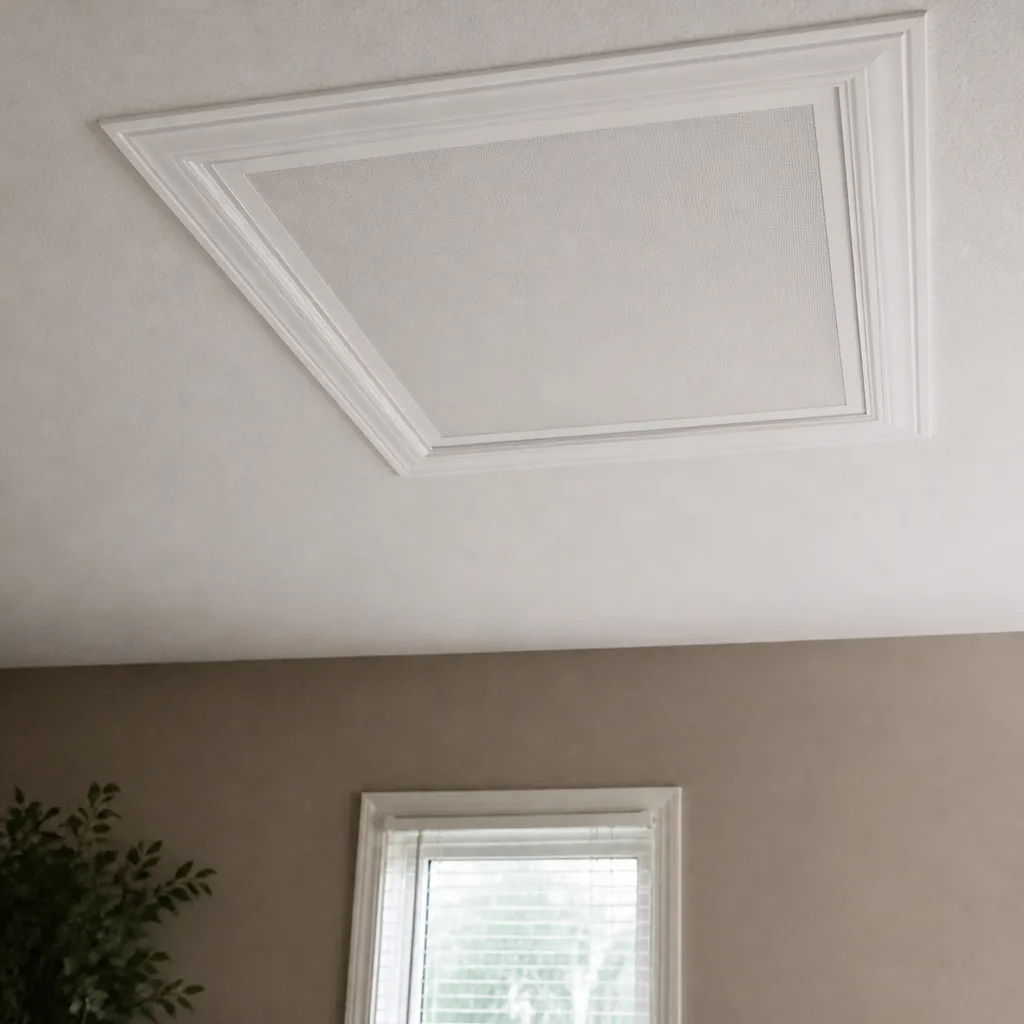
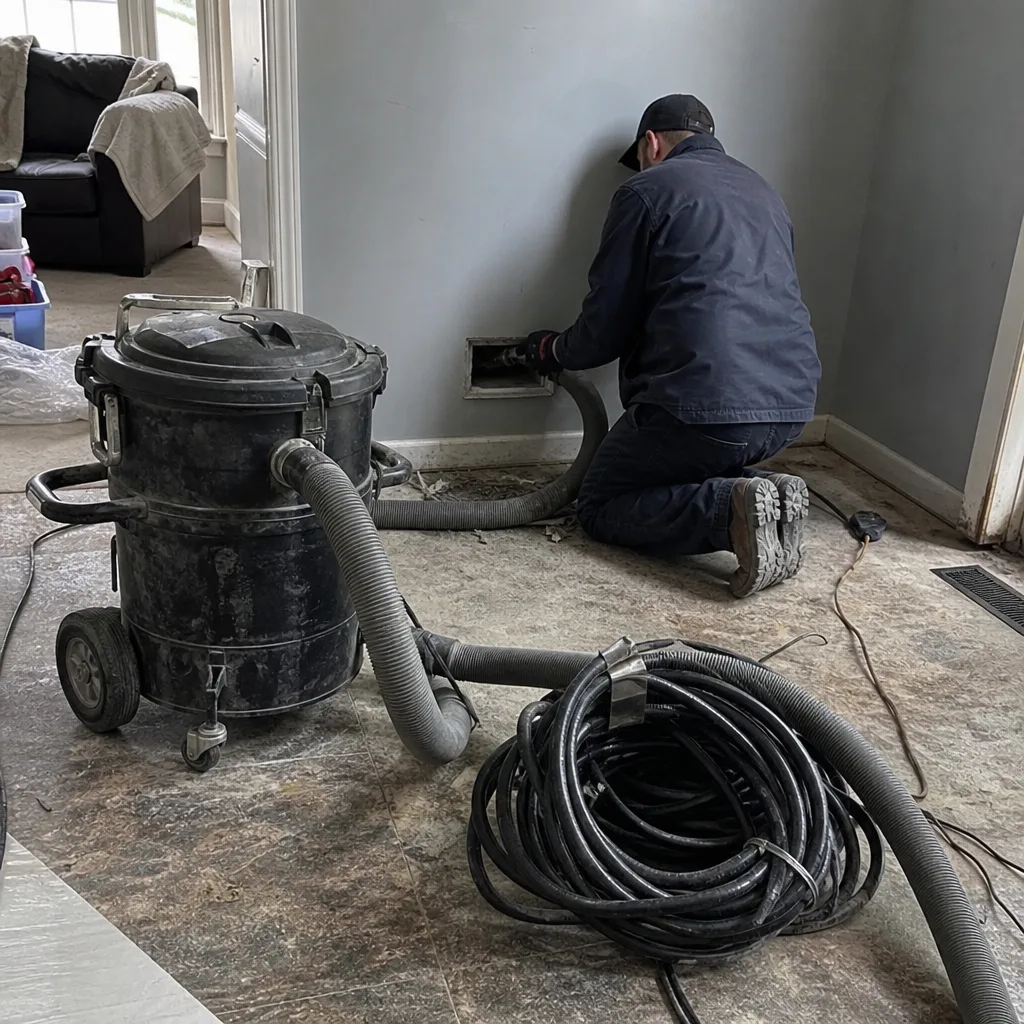
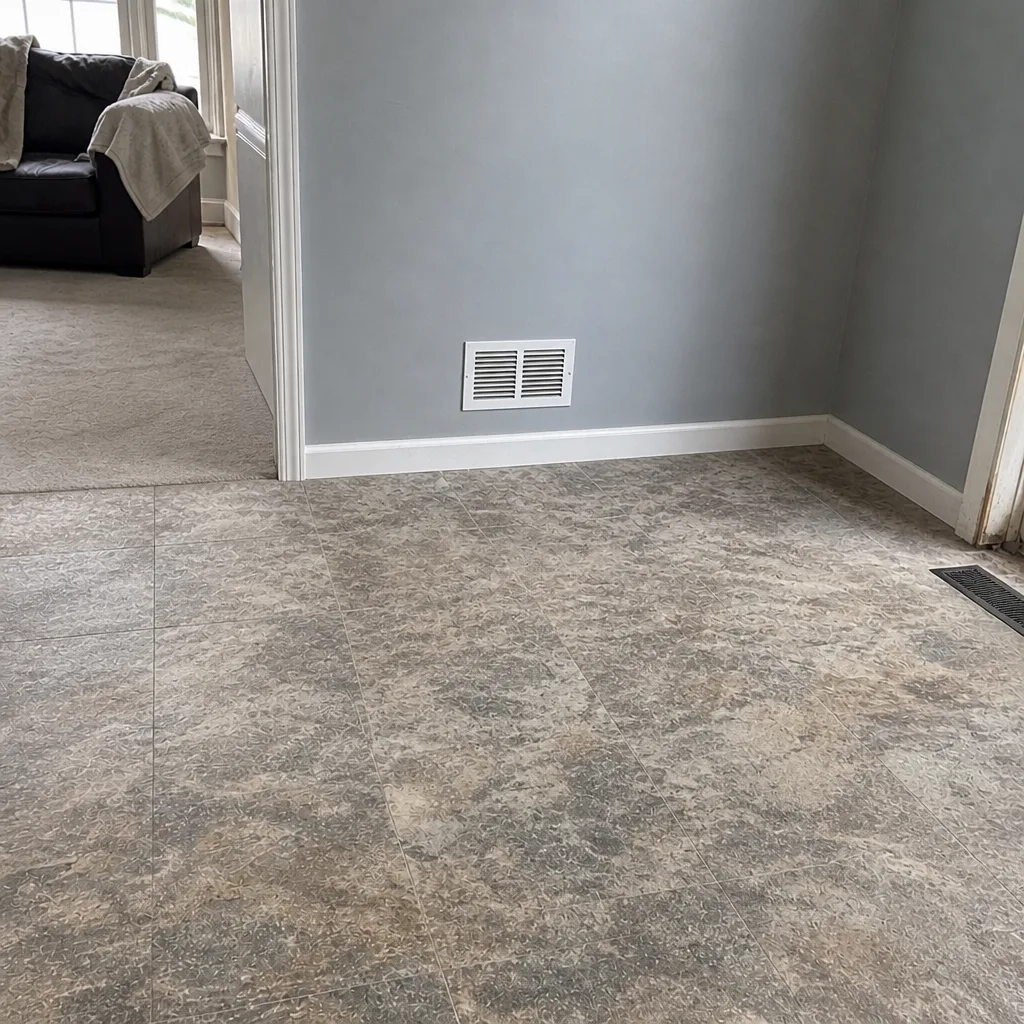
Whole-system duct and dryer vent check with before-and-after photos - you see exactly what came out of your vents
That "$99 whole-house special" is a bait ad - the real number appears once they are in your hallway, or the "clean" is a shop-vac at the register. We photograph the inside of your ducts before and after instead.
Air Duct Cleaning Cost Breakdown: The Indianapolis Homeowner’s Reference for 2026
A $79 whole-home duct cleaning quote in Indianapolis isn’t a deal. It’s a different product that happens to share a name with professional mechanical cleaning. That’s the uncomfortable truth behind the price gap you’ll see when you start collecting estimates: legitimately equipped work and the cheap stuff wear the same label. In this guide we’ll walk through what a real cleaning costs in Indianapolis in 2026, what separates a proper quote from a teaser figure, and how to compare two estimates so you’re pricing the same job. By the end you’ll know what to look for, what to question, and what to pay.
Quick Answer
Professional air duct cleaning in Indianapolis typically runs $400 to $900 for a whole-home system in 2026, with most single-family homes landing between $500 and $700 depending on duct count, material, and how hard the system is to access. Quotes below roughly $200 usually mean an air-whip or blower-only pass rather than brush-contact cleaning, and they rarely include the same scope. The written estimate sets the final price, and it should describe exactly what work is included.
Styles & brands we work with
- Whole-home duct cleaning
- Dryer vent cleaning
- Camera inspection
- Sanitizing & deodorizing
Table of Contents
- What actually drives the cost
- Realistic price ranges by home size and system
- Why some quotes are so much cheaper
- How to compare quotes accurately
- Add-ons with real value vs. inflated upsells
- Adding dryer vent cleaning to the job
- When cleaning turns into duct repair
- Common mistakes to avoid
- Frequently asked questions
What Actually Drives the Cost of Air Duct Cleaning in Indianapolis?
Duct count, duct material, access, and the degree of contamination drive the price – not the square footage on your listing. A 1,800-square-foot ranch with a simple trunk-and-branch layout in open basement can cost less than a 1,400-square-foot bungalow in Meridian-Kessler where the system snakes through finished ceilings and crawlspace runs are tight. Indianapolis housing stock is a real factor here: the city has a heavy mix of pre-war bungalows, mid-century ranches, and newer builds in the outer townships, and each carries a different access profile.
Here’s what actually moves the number:
- Number of supply and return runs. Every register is another run the equipment has to reach, brush, and evacuate. A 12-run system is a different job from a 22-run system.
- Duct material. Rigid sheet metal cleans predictably with a brush-contact system. Flexible ductwork requires gentler handling because the internal liner can tear, and torn flex means repair, not just cleaning.
- Access difficulty. Basement and crawlspace systems are usually quicker to reach. Systems buried behind finished drywall or in tight attic chases add time, and sometimes an access panel has to be cut and sealed.
- Contamination level. Construction dust after a remodel, pet hair, or years of buildup means more evacuation cycles. A lightly soiled system takes fewer passes than one loaded with debris.
- Whether the dryer vent is included. Dryer vent cleaning is separate work with its own equipment and its own risk profile. Bundling it into one visit is often more efficient than booking two contractors.
When we scope a job in Indianapolis, we’re not pricing “a duct cleaning.” We’re pricing your system: the runs, the material, the access, and what the inside actually looks like. That’s why the range is wide, and why a quote by phone without seeing the layout is always an estimate.
Realistic Price Ranges by Home Size and System Type
These are typical 2026 ranges for a whole-home cleaning done with professional brush-contact equipment. They’re estimates, not fixed prices.
| Home / System Profile | Typical Range | What’s Usually Included |
|---|---|---|
| Condo or small home, under 1,200 sq ft, few runs | $300 – $450 | All supplies and returns, single trunk line, standard access |
| Typical single-family, 1,200 – 2,000 sq ft | $400 – $650 | 10 – 16 runs, main trunk, register and return cleaning |
| Larger single-family, 2,000 – 3,000 sq ft | $600 – $900 | 16 – 24 runs, multiple trunks, more access time |
| Flex-heavy or access-difficult systems | $700 – $1,100+ | Careful flex handling, possible access panel work, longer labor |
| Add dryer vent cleaning | + $100 – $200 | Full vent run, lint removal, blockage inspection |
A few things to know about the table. First, it reflects whole-system pricing, not a per-vent rate – a legitimate provider quotes the system, because per-vent math is how teaser prices start. Second, duct repair is quoted separately because it depends on what the cleaning reveals. Third, if a quote sits well below the low end of these ranges, the most likely explanation isn’t a better deal; it’s a different scope. We’d rather tell you the honest range and explain where your home falls than quote a number that changes once we’re on site.
Why Are Some Air Duct Cleaning Quotes So Much Cheaper?
Because they’re often performing a different service under the same name. The most common low-cost method is an air-whip – a compressed-air nozzle that blows loose debris off surfaces – sometimes paired with a shop-vac-sized vacuum. It looks active. It sounds impressive. But air alone doesn’t dislodge what’s bonded to the duct walls, and it can push debris deeper into the system rather than remove it.
Here’s how to spot the difference from the quote language alone:
- Look for the method. A professional quote names the equipment – brush-contact cleaning with a system like the Rotobrush line, or a vacuum-and-filtration setup using Nikro equipment. A quote that just says “duct cleaning” without naming a method is a red flag.
- Look for filtration. Real cleaning dislodges debris, and dislodged debris has to go somewhere. A contamination-aware provider uses a HEPA filtration unit – the same category of air filtration used in professional remediation – to contain particulates during the job. When we work, we bring Abatement Technologies filtration to the site for exactly this reason.
- Look for a whole-system scope. Supplies, returns, trunk lines, and register covers should all be named. If the quote only mentions “main lines,” ask what happens to the branches.
- Look for a negative-pressure setup. The vacuum should pull from the system while the brush agitates, so loosened debris travels to the collection unit rather than into your rooms.
- Be skeptical of single-number quotes with no walkthrough. A legitimate scope is specific enough that you can compare it line for line against another.
None of this is about naming names. It’s about giving you a way to read the quote in front of you. When someone offers a price that seems too good to be true, the honest question is: what equipment is going into my ducts, and where does the debris end up?
How Do You Compare Duct Cleaning Quotes Accurately?
You compare scope, not just price. Two quotes only mean something side by side if they describe the same work. A $500 quote and a $250 quote may not be for the same job at all – one might cover brush-contact cleaning of every run with HEPA filtration, and the other might cover a blower pass through the main trunk.
Ask each provider to put these in writing:
- Equipment named by type. Brush-contact or air-whip; HEPA filtration on site or not; vacuum source and capacity if it’s stated.
- Exact components covered. Number of supply runs, number of returns, trunk lines, boots, and register covers – each listed.
- Access method. How they’ll reach the system, and whether any access panel will be cut, and if so, whether that’s included or extra.
- Handling of flex duct. Confirm they know what your system is made of and how they’ll treat it.
- Before-and-after documentation. Photos of your own ducts, not stock images, showing condition before and after.
- What’s not included. Duct repair, dryer vent cleaning, and any coatings or sealants should be listed separately so there’s no surprise invoice later.
- The final price and whether it changes. A firm written estimate means the price is set before work starts. If the quote is “starting at,” ask what could change it.
If you’ve read through our air duct cleaning service page, you’ll see how we structure the same scope in writing. The goal isn’t to make comparison hard; it’s to make it possible. A homeowner who can read two quotes side by side is a homeowner who won’t get caught by a bait-and-switch. If you want help reading the quote you have, call (888) 382-8408 – estimates are free.
Add-Ons With Real Value vs. Upsells With Inflated Margins
Not every add-on is a money grab, and not every cheap one is worth taking. The distinction is whether the add-on solves a real, diagnosed problem – or whether it’s applied as a blanket the moment the technician walks in.
Add-ons that can be genuinely worth it:
- Access panel installation. If your system has no service point at a key trunk or plenum, cutting and sealing a proper access panel makes the cleaning possible and makes future service easier. This is real work with a real reason.
- Mold testing referral. If a visual inspection turns up something that could be microbial growth, the right move is testing by a qualified party, not a sales pitch. We’ll flag it and refer you rather than diagnose what we aren’t licensed to diagnose.
- Dryer vent cleaning. If we’re already at the house, adding dryer vent cleaning to the visit is efficient and addresses a genuine fire hazard. More on that below.
- Air quality product consultation. Filtration upgrades from brands like Honeywell and Aprilaire can make sense if you have allergies or a household with specific needs. We’re authorized to work with those products and will talk through options – not push them.
Add-ons to question carefully:
- Duct sealing spray applied without diagnosis. Sealing can be useful in systems with known leakage. Applied as a default add-on before anything has been tested, it’s a margin play.
- Antimicrobial coatings applied blanket-style. If the ducts aren’t actually contaminated, the coating isn’t solving anything. Ask what test or visual finding justifies it.
- “Enzyme” or “sanitizing” treatments offered as a line-item without a specific problem being named. A treatment needs a target.
The rule we follow: diagnose first, recommend second. Any add-on that can’t be tied back to something found in your system during the inspection is optional at best.
Should You Add Dryer Vent Cleaning to the Job?
Yes, if it’s been a while, and especially if your dryer is taking longer to dry loads or feels hot to the touch. A clogged dryer vent is a fire hazard – lint accumulates along the run, restricts airflow, and raises the heat load on the dryer. It’s one of the more preventable causes of residential fires in the country, and it’s often invisible until someone looks.
Dryer vent cleaning is a separate service with a different method than duct cleaning. The vent run is typically small in diameter and often snakes through a wall or up through the roof, so the tooling and the access are different. That’s why it’s priced separately – typically in the $100 to $200 range in Indianapolis as an add-on, depending on run length and access. The inspection portion matters as much as the cleaning: a technician should confirm the vent is intact, properly connected, and free of crushed sections behind the dryer.
We treat this as part of the protective role we play in a home. Cleaning the HVAC ducts protects your indoor air; cleaning the dryer vent protects the household. Different systems, same principle: what accumulates in a duct over time needs to be removed before it becomes a problem. If you’re booking a duct cleaning, it’s a natural time to ask whether the dryer vent should be checked too.
What Happens When Cleaning Reveals Duct Repair Issues?
Cleaning sometimes turns up compromised ductwork: detached joints, crushed flex sections, torn liner, disconnected runs in a crawlspace or attic. This is common enough in older Indianapolis housing stock, and most duct cleaning companies can’t fix it – which means the homeowner has to find a second contractor, often at a higher cost and after the cleaning is already paid for.
Air duct repair is one of the three core services we offer, alongside cleaning and dryer vent cleaning. That matters when we open up a system and find problems. We don’t have to hand you off; we can quote the repair, show you what we’re seeing, and complete the work so your system actually seals and performs the way clean ducts are supposed to. A system with disconnected runs won’t deliver the efficiency benefit that cleaning alone promises.
Repair costs vary widely because they depend on what’s wrong and where. A reconnected run is different work from replacing a crushed flex section in a difficult chase. Ask for a written scope and price, just as you would for the cleaning itself. And if you’re weighing whether to schedule, our team can be reached at (888) 382-8408 with any questions before you decide.
See the difference
 Before
 After
 Before
 After
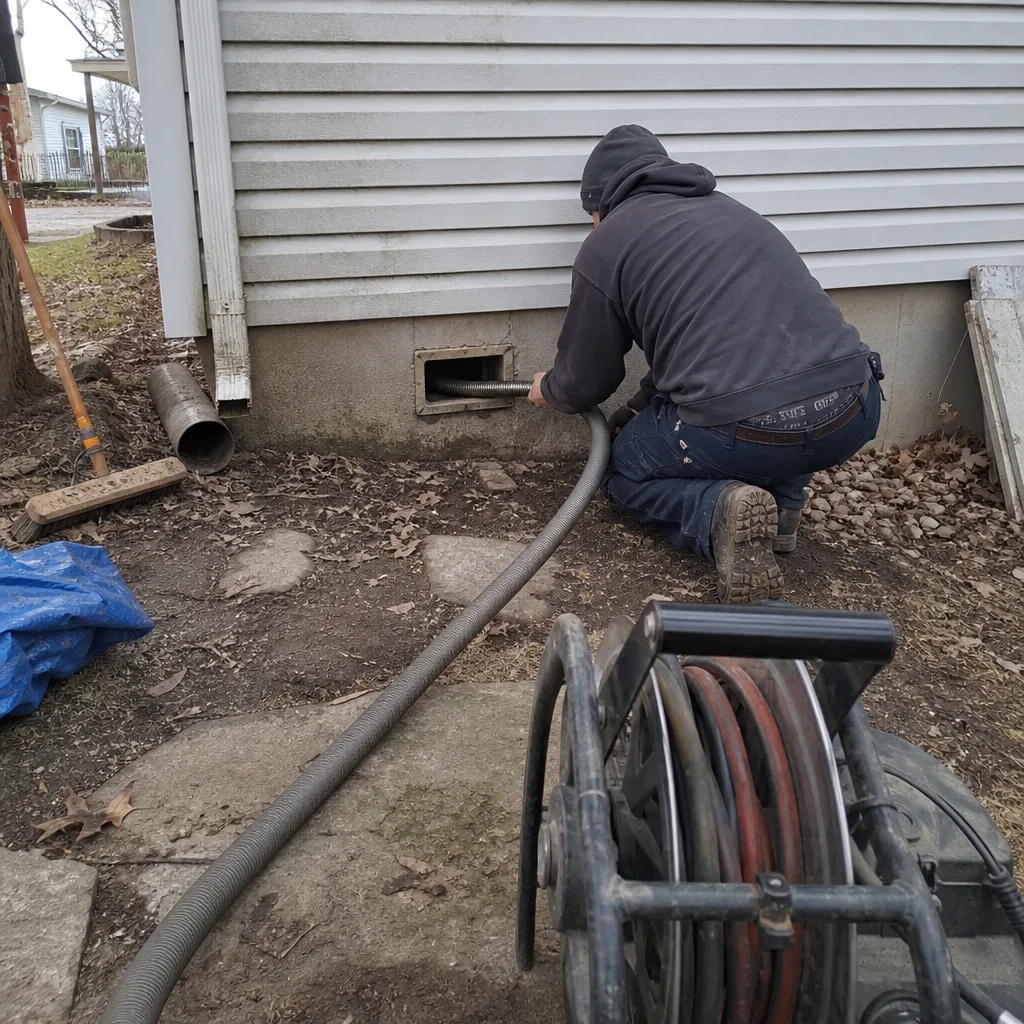 Before
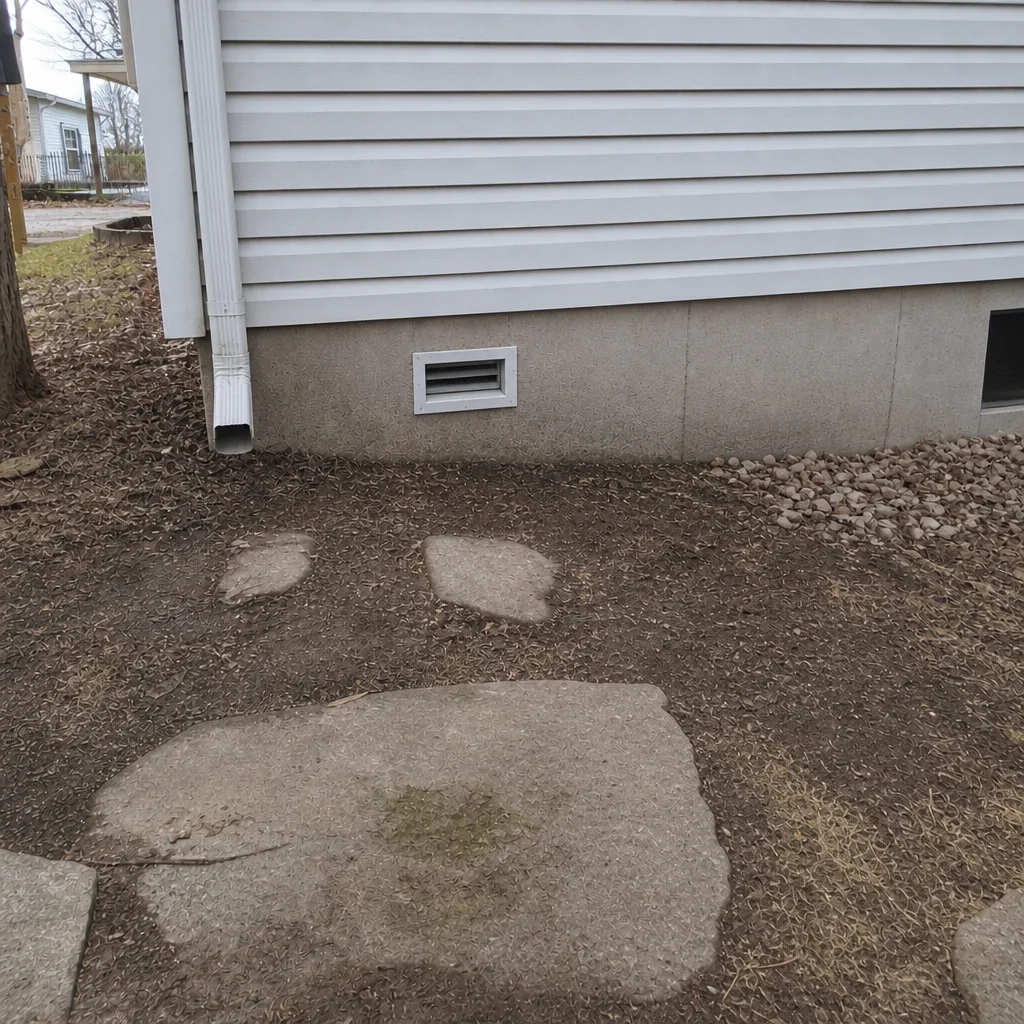 After
What to Know About the Indianapolis Market and Duct Cleaning
A few local realities shape what a cleaning quote in Indianapolis should look like in 2026. The city’s housing mix matters. Pre-war neighborhoods like Irvington, Meridian-Kessler, and Fountain Square carry lots of older ductwork, sometimes retrofitted, sometimes added onto over the decades. Mid-century ranches in the outer townships tend to have simpler layouts but more flex, which requires careful handling. Newer construction often has tighter duct systems but more construction dust from the build and the area around it.
Central Indiana summers also load HVAC systems hard. Long cooling seasons mean more hours of air moving through the ducts, more filter cycling, and more opportunity for dust to accumulate on the walls of the system. That doesn’t mean every Indianapolis home needs cleaning every year, but a home that hasn’t had it done in a while – or that’s just come out of a renovation – is a reasonable candidate for an inspection.
When you’re comparing quotes here, ask how the provider handles the specific housing stock. A company that has worked in older neighborhoods knows about retrofitted returns, chases, and crawlspace runs, and prices accordingly. A company that only works new builds may miss what they’re looking at.
You can also check whether a provider is local to the area or routing through a national network that subcontracts to whoever is available. If you want to know more about how Indianapolis homes tend to be laid out and what to expect, we’re glad to talk it through. Estimates are free.
Common Mistakes to Avoid
- Booking on price alone. The cheapest quote usually reflects the smallest scope. Ask what method and equipment are included before you compare prices. A $99 quote and a $600 quote aren’t the same service with a different markup.
- Accepting a quote without seeing a scope in writing. You shouldn’t be pricing “a duct cleaning.” You should be pricing the specific runs, returns, and access in your home. If it isn’t written down, it isn’t a scope.
- Assuming a “sanitizing treatment” is part of cleaning. A treatment without a diagnosed problem is an upsell. Ask what it’s treating and why that problem exists in your system.
- Skipping the dryer vent. If the technician is already in the laundry room, skipping the vent is a missed fire-safety check. The vent is often the most overlooked risk in a home.
- Not asking about repair capability. Cleaning is one thing; fixing what’s disconnected is another. If your system has older ductwork or a crawlspace run, ask upfront whether the provider can handle repair or will refer you out.
- Ignoring before-and-after photos. Verbal assurance is fine; visual proof is better. Ask to see photos of your own ducts at the start and at the finish – not stock images, not a walkthrough that shows someone else’s system.
- Forgetting the filter. Duct cleaning doesn’t replace filter maintenance. A clean system with a loaded filter gets dirty again fast. Ask what filter you should be running for your setup.
When to Call a Professional
Some signs point clearly to professional cleaning. A recent renovation that left drywall dust in the return plenum. Visible debris or dust plumes at the registers when the system kicks on. Persistent allergies or dust that don’t improve with regular filter changes. Unexplained musty odors in a room, especially in the basement or crawlspace. A system that has never been cleaned and is now 10+ years old. A dryer that’s taking longer and longer to dry a load, or that feels hotter than usual at the end of a cycle. Any visible damage to flex runs in the attic or crawlspace. And any time you’re about to sell a home and the ducts are of unknown condition.
Sentry Air Duct Cleaning offers free estimates in Indianapolis – call (888) 382-8408. We answer 24/7. Fast dispatch from 7am to 7pm, Sunday through Friday. If you’re outside those dispatch hours, we’ll book you into the next opening.
Frequently Asked Questions
For a typical single-family home in Indianapolis, a whole-system cleaning with brush-contact equipment usually runs $400 to $900 in 2026, with most homes landing between $500 and $700. Larger homes, flex-heavy systems, or access-difficult layouts can push higher. Call (888) 382-8408 for an exact quote – estimates are free.
Usually because they describe a different service: air-whip or blower-only passes with minimal vacuum and no brush contact against the duct walls. Those methods cover less ground, remove less debris, and often carry a scope that’s a fraction of a legitimate cleaning. Ask any provider what method they use and whether HEPA filtration is on site before comparing prices. Call (888) 382-8408 and we’ll walk you through what a real scope looks like.
Ask for before-and-after photos of your own ducts taken during the visit, and ask the technician to show you what came out of the system. Legitimate cleaning produces visible material in the collection unit. A provider who can’t document the work didn’t necessarily do it. Call (888) 382-8408 – we’re glad to explain how we document a job.
There’s no universal schedule, but most homes benefit from a cleaning every three to five years, and sooner after a renovation, a move into a previously occupied house, or if you have pets or allergy concerns. Homes with older or compromised ductwork may need inspection more often. If you’re not sure, start with an inspection – call (888) 382-8408 and we’ll give you an honest read.
Not usually – which is why it matters who you hire. Repair is a separate service most duct cleaning companies don’t offer. We can quote duct repair alongside the cleaning so you’re not hiring a second contractor. If your crawlspace or attic ducts look compromised, mention it when you call. Reach us at (888) 382-8408.
Yes, and it’s a smart add-on if it’s been a while. Dryer vent cleaning usually adds $100 to $200 in Indianapolis, depending on the run and access. It also targets one of the leading causes of residential fires, so it’s worth taking seriously. Ask when you call (888) 382-8408. We answer 24/7. Fast dispatch from 7am to 7pm, Sunday through Friday.
The Bottom Line
The 4-to-5x price spread on duct cleaning in Indianapolis isn’t a difference in value. It’s a difference in what’s being sold. Legitimate brush-contact cleaning with HEPA filtration runs $400 to $900 for most homes, and the written estimate should spell out exactly which runs, returns, materials, and access points are covered. Cheap quotes usually skip the method and the scope. Compare like for like, ask what equipment is going into your system, and insist on before-and-after photos of your own ducts. If you’re ready for a quote from a provider that names its equipment, works with Sentry Air Duct Cleaning, and offers repair and dryer vent service under one roof, call (888) 382-8408. We answer 24/7. Fast dispatch from 7am to 7pm, Sunday through Friday. Estimates are free.
Written by the team at Sentry Air Duct Cleaning.