
Last updated November 16, 2026
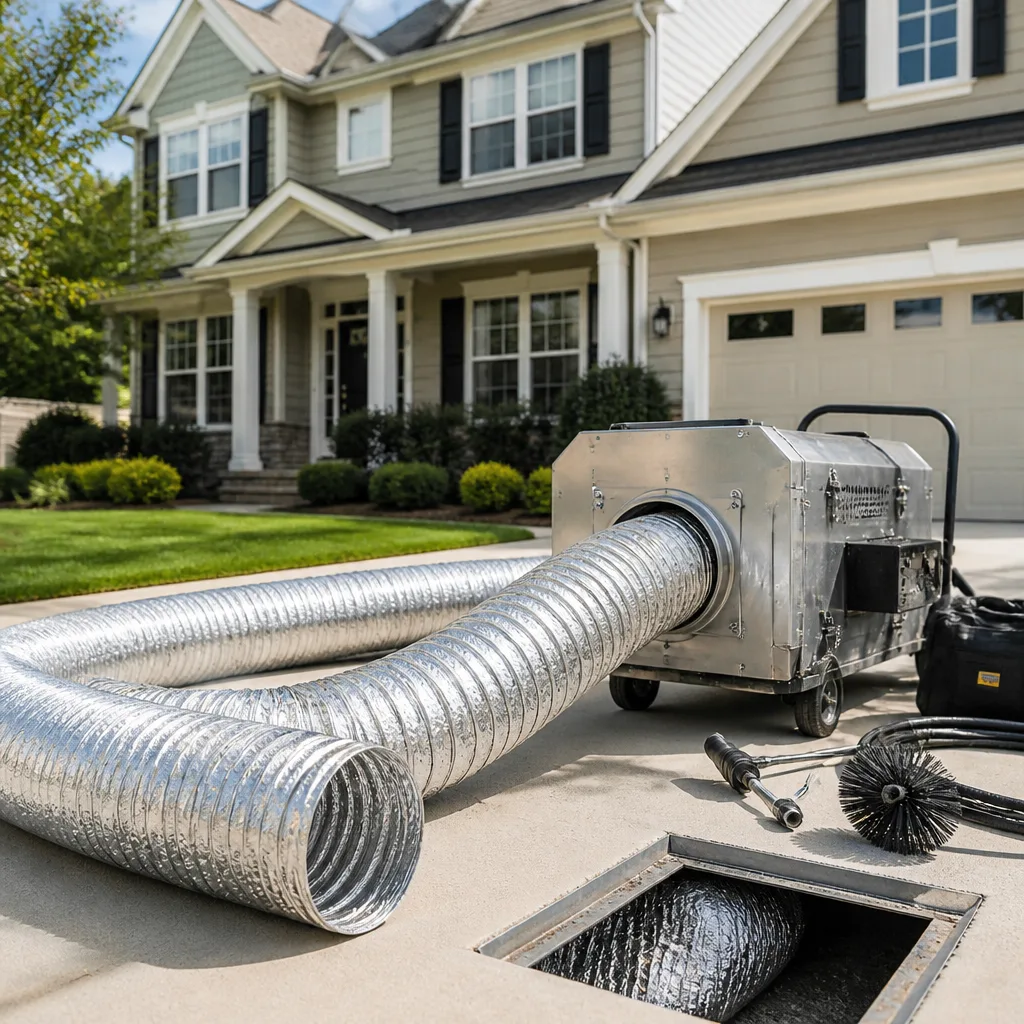 Whole-home duct cleaning
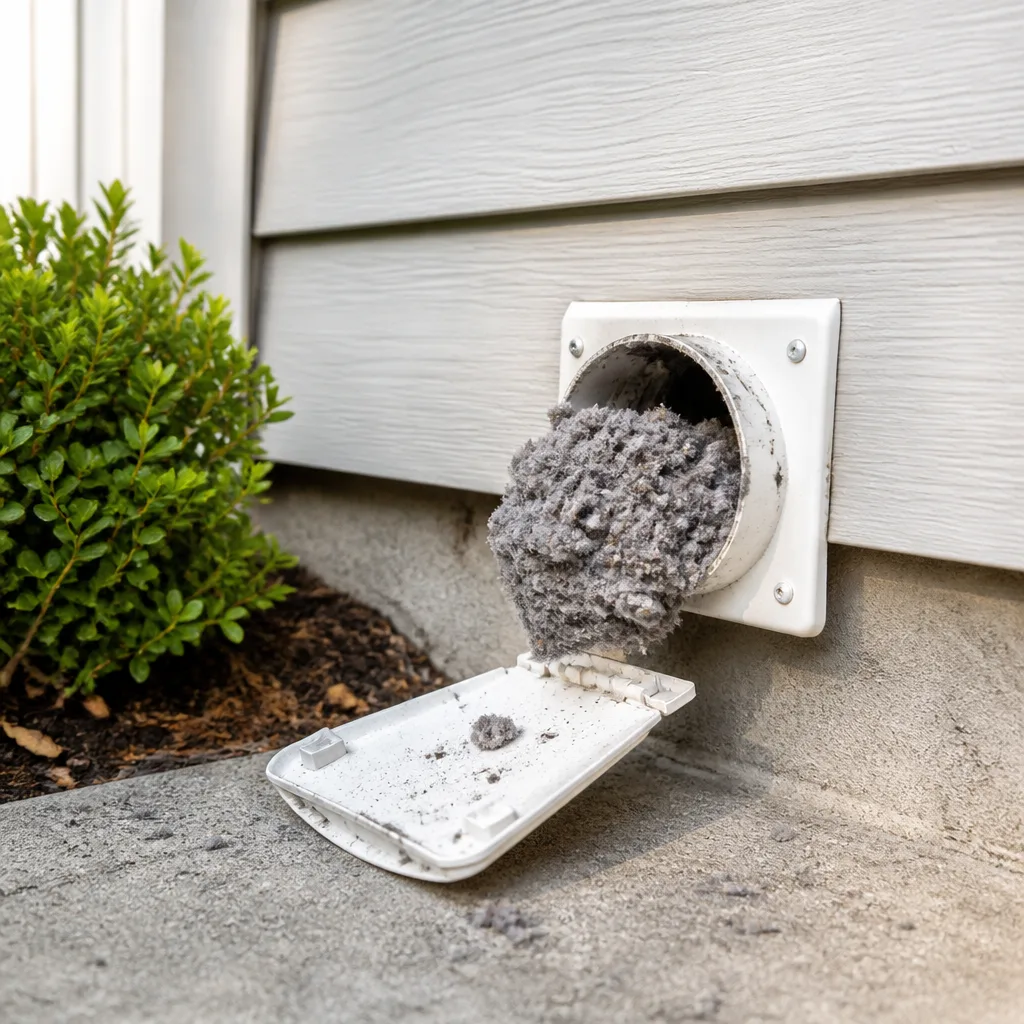 Dryer vent cleaning
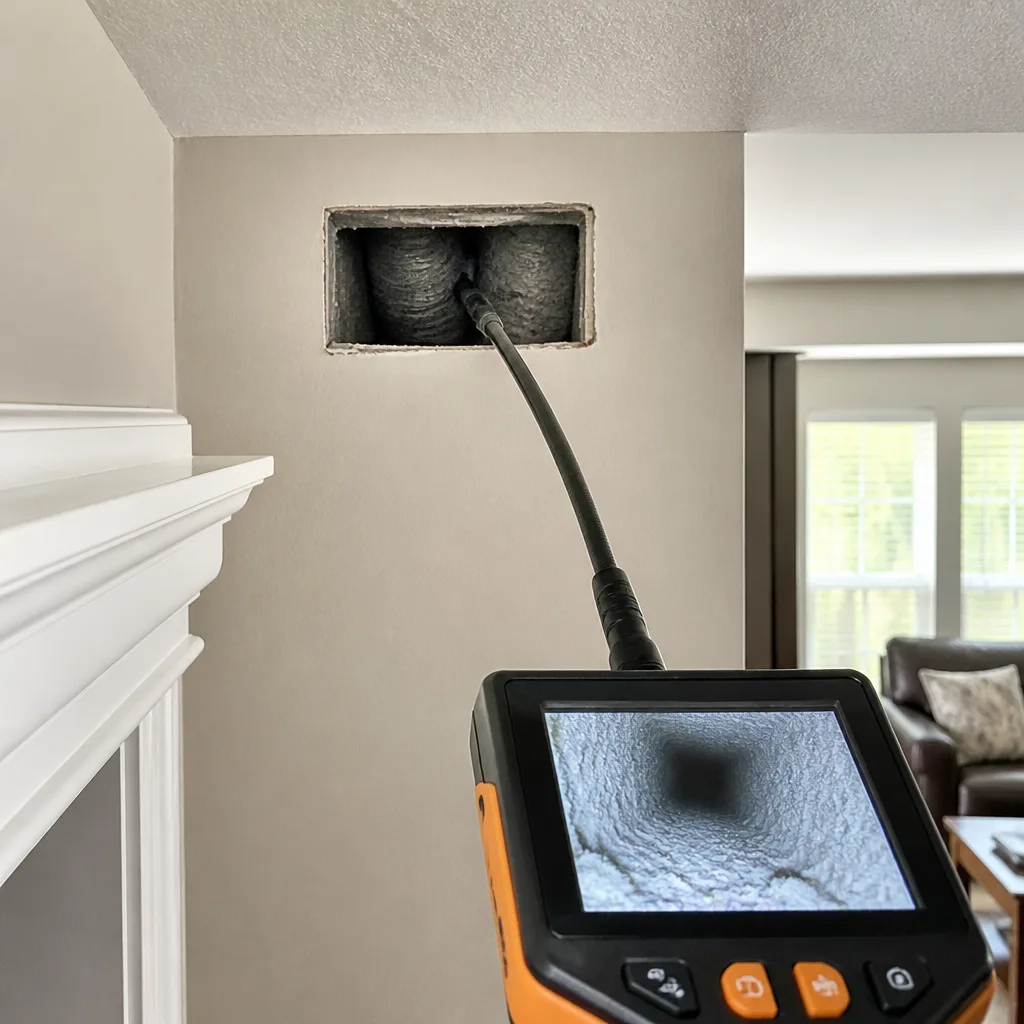 Camera inspection
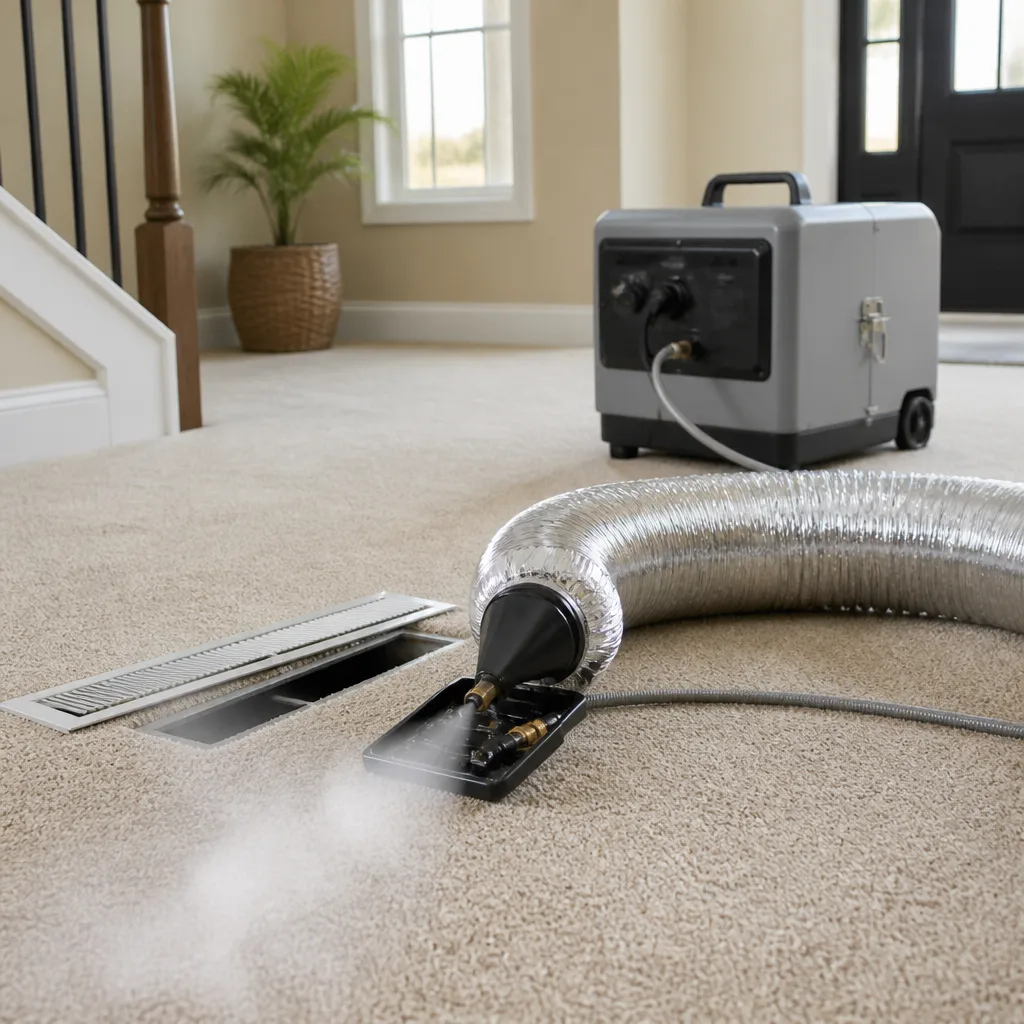 Sanitizing & deodorizing
Whole-system duct and dryer vent check with before-and-after photos - you see exactly what came out of your vents
That "$99 whole-house special" is a bait ad - the real number appears once they are in your hallway, or the "clean" is a shop-vac at the register. We photograph the inside of your ducts before and after instead.
DIY vs Professional Air Duct Cleaning: The Indianapolis Homeowner’s Decision Guide
Here’s the part most duct cleaning articles get wrong: anyone with a shop-vac and a brush kit can clean the first foot or so of a duct run, and that section usually holds the least contamination in the whole system. The hard question isn’t whether you’re capable of pushing a brush into a register. It’s what that brush actually reaches, and what it leaves sitting in the parts you can’t see. This guide draws that line precisely for Indianapolis homes: what DIY genuinely handles, where it creates a false sense of done, and how to pair routine maintenance with a professional cleaning cycle instead of substituting one for the other.
Quick Answer
DIY air duct cleaning is a reasonable interim measure for visible surface buildup at registers and loose debris in the first accessible section of a duct run, but it cannot reach the trunk lines, the far ends of branch runs, or the bends where contamination accumulates. Professional cleaning uses negative pressure and brush-contact equipment to extract debris across the full duct length at once, without redistributing it into rooms. For most Indianapolis homes, the honest answer is both: DIY maintenance between visits, professional cleaning on a realistic cycle.
Styles & brands we work with
- Whole-home duct cleaning
- Dryer vent cleaning
- Camera inspection
- Sanitizing & deodorizing
Table of Contents
- What DIY Duct Cleaning Actually Reaches
- The Geometry Problem: Trunk Lines vs Branch Runs
- When DIY Is a Reasonable Interim Measure
- What Professional Negative Pressure Systems Do
- The Risk of Partial Cleaning Without Containment
- How to Use DIY Maintenance Alongside Professional Cleaning
- Indianapolis Duct Conditions You Should Know
- Common Mistakes to Avoid
What DIY Duct Cleaning Actually Reaches
A consumer duct brush kit, the kind sold at hardware stores, typically extends a few feet into a straight run. Add a shop-vac at the register and you can pull loose dust from the immediate throat of the duct. That’s the honest scope. In a forced-air system, that first section is also the one most likely to have been cleaned already by airflow passing through the register, and it holds the least of what you’re trying to remove.
The contamination that matters – settled dust, construction debris, pet hair, and the fine particulate that accumulates on duct walls – builds up along the walls of the duct run, especially on the negative-pressure side of the system. A brush reaches around the first bend. The stuff that’s been settling for years sits past that bend, in the branch runs and along the trunk line feeding multiple rooms.
Here’s what consumer tools can and can’t do in plain terms:
- Can: Wipe down register grilles and the visible duct throat at the register opening. Lift loose debris from the first few feet of an accessible straight run. Remove surface dust from return-air grilles.
- Can’t: Reach the trunk line feeding the whole house. Reach the far end of a branch run. Clean around the inside of bends and elbows. Extract debris that has bonded to the duct wall. Contain what it disturbs.
That last point is the one most homeowners don’t think about, and it’s where the gap between DIY and professional work becomes real. A shop-vac pulls air toward the register, which is fine for loose dust sitting right there. It does nothing for debris thirty feet down the run, and if you agitate that debris with a brush and don’t have containment, some of it goes into the room. If you want a sense of what air duct cleaning actually involves at the professional level, the method is the difference, not the label.
The Geometry Problem: Trunk Lines vs Branch Runs
A residential forced-air system in Indianapolis is roughly a tree. The furnace or air handler feeds a main trunk line, and branch runs split off that trunk to serve individual rooms. Trunk lines are typically larger in diameter and run longer distances. Branch runs are smaller and often take sharp turns, drop down through wall cavities, or jog around structural framing.
That geometry is why access is the whole game. Consumer equipment struggles with three specific conditions:
- Depth. A branch run serving an upstairs bedroom can travel twenty feet or more of duct before it reaches the register. A brush kit that extends four feet can’t get there.
- Bends. Every elbow in a duct run is a place where debris settles and where a rigid brush stalls. A brush that can’t turn the corner can’t clean past the corner.
- Diameter changes. Trunk lines transition to branch runs, and those transitions create ledges where dust accumulates. You need access and air volume to clear a ledge like that.
Professional brush-contact systems solve this by using a flexible rotating brush head on a powered cable that travels the full length of a run and turns with the duct geometry. Paired with negative pressure applied at the system, the debris the brush dislodges is captured rather than pushed back into the room. That’s the difference between cleaning the part of the duct you can see and cleaning the part the system actually breathes through.
If you have an older Indianapolis home, especially one built before the 1980s, your ductwork may have been retrofitted, rerouted, or assembled from a mix of materials. The geometry is often less predictable than in newer construction, which makes the access problem larger, not smaller.
When DIY Is a Reasonable Interim Measure
There are real situations where rolling up your sleeves makes sense. DIY duct maintenance isn’t pointless – it’s just scoped. Treat it as surface work between professional cycles, and it holds up fine.
DIY is a reasonable interim measure in these scenarios:
- Post-renovation dust at accessible registers. After drywall work or a kitchen remodel, dust settles fast. Wiping register grilles and vacuuming the visible throat of nearby runs keeps that dust from circulating while you schedule a real cleaning.
- Visible surface buildup. If you can see a gray film on a register grille or the duct opening, that’s the part you can address. It’s also the least of the problem.
- Seasonal maintenance between professional visits. If you had a professional cleaning and it’s been a couple of years, a light register wipe-down is fine housekeeping.
- New-construction dust settling. In a newly built Indianapolis home, the first year often brings construction dust through the system. You can manage the visible end while planning a full cleaning once the dust settles.
What all these have in common: the debris is at the surface and accessible. The moment the question becomes “what’s happening deeper in the run,” DIY stops being an interim measure and starts being a placeholder for work that hasn’t been done. That’s the false sense of resolution to avoid. A wiped register looks clean. The duct behind it may not be.
What Professional Negative Pressure Systems Do That DIY Can’t
This is the part of the conversation where the equipment matters, and it’s worth understanding why. Professional duct cleaning applies high-volume negative pressure to the entire duct system while brushes and air tools agitate debris loose from the duct walls. The negative pressure creates a continuous pull toward a collection point, so as the brush dislodges contamination, that contamination is captured – not pushed into the room, not redistributed down the line.
Consumer equipment can’t replicate that for one structural reason: it works at the register, pulling air from the room into the vacuum. Professional systems work at the system level, pulling air and debris from the whole duct length toward a single collection point.
The difference shows up in three specific capabilities:
- Simultaneous full-length extraction. While the brush works one section, negative pressure holds the rest of the system under pull, so debris doesn’t migrate while you’re cleaning elsewhere.
- Brush contact along duct walls. Contamination bonds to the duct surface over time. Air movement alone moves loose dust; brush contact physically dislodges what’s stuck. Rotobrush brush-contact systems are built for this specific job.
- Containment during cleaning. Abatement Technologies air filtration equipment contains dislodged particulates so they don’t re-enter the living space. That’s a contamination-aware approach, not surface sweeping.
We use Rotobrush brush-contact systems and Nikro HVAC equipment on every job for exactly this reason. Purpose-built duct equipment behaves differently from repurposed shop vacuums and basic air-whip rigs, and the difference is verifiable after the work is done.
The Risk of Partial Cleaning Without Containment
Partial cleaning without containment is worse than no cleaning in one specific way: it disturbs settled debris without capturing it. Debris that has been sitting quietly in a duct run can be redistributed into rooms that were previously clean, and into the air handler that was previously free of it. That’s not a scare tactic. It’s a physical outcome of agitating dust without a pressure differential to carry it away.
Picture the usual DIY attempt. You push a brush down the first accessible section of a run, agitate dust loose, and vacuum at the register. The dust that comes toward the vacuum gets caught. The dust that migrates the other direction – toward the room, into the next branch run, or toward the return – is now airborne where it wasn’t before. If you have allergies, that’s the worst possible outcome from a maintenance task.
The same risk applies to partial cleaning of one zone while leaving another untouched. Duct systems aren’t isolated compartments. Branch runs connect through the trunk, and pressure changes in one area influence airflow everywhere. Clean half the system well and half of it poorly, and the poorly cleaned half can feed the clean half. Professional cleaning avoids this by treating the whole system under one containment and pressure setup.
If you’re exploring professional options, what matters isn’t the marketing language – it’s whether the contractor brings full-system negative pressure and real containment equipment. In Indianapolis, ask specifically what equipment they use and whether they can show you before-and-after photos of the duct interiors, not just the register grilles. A dryer vent cleaning visit is a good moment to ask the same question about duct work, since both services run on the same principle of removing accumulated combustible debris.
How to Use DIY Maintenance Alongside Professional Cleaning
The most useful framework isn’t DIY versus professional. It’s a maintenance cycle where both play a defined role. Here’s how that cycle works:
- Filter changes. Replace your HVAC filter on the schedule the manufacturer recommends for your filter rating, and don’t stretch it. A dirty filter restricts airflow and lets more particulate into the duct system. This is the single highest-value maintenance task in the cycle.
- Register wipe-downs. Wipe register grilles and return-air grilles with a damp cloth as part of regular cleaning. This is cosmetic and surface-level – which is exactly its job.
- Dryer lint screen care. Empty the lint screen before every dryer cycle. This is a fire-prevention habit, not a duct-cleaning substitute. A clogged dryer vent is a fire hazard independent of how clean your HVAC ducts are.
- Visual checks. Look at register openings occasionally. Visible debris at the register is a signal that the deeper system may need attention, not that the register needs another wipe.
- Professional cycle. Schedule professional duct cleaning on a realistic interval – typically every few years for most Indianapolis homes, sooner after major renovation, a move-in to a previously occupied home, or a pet-heavy household. The professional visit handles what the first four steps can’t reach.
That’s the version that actually protects your system. DIY maintenance keeps the surface condition good and extends the useful life of the professional visit. It doesn’t replace professional cleaning, and no amount of diligent wiping will substitute for full-length brush contact and negative pressure. What it does is reduce how much has built up by the time the professional visit happens, so the cleaning works better.
If you want an ongoing resource for air quality products between cleanings, we work with Honeywell and Aprilaire indoor air quality products. Those are the systems that address filtration and humidity at the equipment level, which complements the work a professional duct cleaning does at the delivery level.
Indianapolis Duct Conditions You Should Know
Indianapolis sits in a climate with hot, humid summers and cold winters. That swing matters for how duct systems accumulate contamination and where it settles.
During heating season, forced-air systems run more hours per day, and moisture from the return-air side of the house condenses slightly in cooler duct runs. Over time, that mild moisture can bind dust to duct walls, making it harder to dislodge with air movement alone. During cooling season, the opposite pattern: condensation forms on cold supply runs, and the resulting dampness grabs fine particulate. In both cases, brush contact becomes more important than air volume alone.
Indianapolis neighborhoods span a wide range of home ages and duct conditions. Homes in neighborhoods like Broad Ripple, Irvington, Meridian-Kessler, and Fountain Square often have ductwork that predates modern construction standards, sometimes with retrofits layered over original runs. Newer suburban areas have tighter systems but often more construction dust in the first few years. Neither is unusual. What both have in common is that register-level maintenance never reaches the trunk line, and the trunk line is where the airflow for the whole house starts.
One more local factor: Indianapolis homes often have finished basements, which means duct runs may travel through conditioned space before entering walls. That’s good for energy efficiency, but it also means a partial cleaning that disturbs debris has more opportunity to send it into living areas, not less. If you’re an Indianapolis homeowner reading this because you’re weighing your options, our Sentry Air Duct Cleaning team can walk through what your specific system geometry means for the cleaning your home needs.
Common Mistakes to Avoid
- Mistaking a clean register for a clean duct. A wiped grille looks like progress. The duct run behind it may not have been touched. Judge your system by what you can verify, not by what you can see.
- Yanking a brush too far down a run and stalling it. Pushing a consumer brush past a bend risks dislodging it into the duct, which turns a maintenance task into a repair. Consumer brushes aren’t designed for the transition points in most systems.
- Skipping the return-air side. Most homeowner DIY effort goes to supply registers, but the return side is where a lot of debris accumulates first. The supply side carries filtered air out; the return side carries it back in.
- Ignoring the dryer vent because the HVAC ducts got attention. They’re separate systems. A clogged dryer vent is a fire hazard regardless of how clean the HVAC runs are, and Indianapolis fire safety guidance treats it as its own concern.
- Believing the filter is doing the whole job. A filter catches what passes through it, not what’s already settled in the ducts. Changing it faithfully is necessary and not sufficient.
- Assuming new construction means clean ducts. New Indianapolis homes often have construction dust that finds its way into the system during the build. That dust behaves differently than household dust and often warrants a professional cleaning sooner than the usual cycle.
- Calling a handyman for duct cleaning. Duct cleaning requires purpose-built equipment and full-system containment. A generalist handyman with a shop-vac is doing, at professional prices, what you could have done yourself at consumer prices.
See the difference
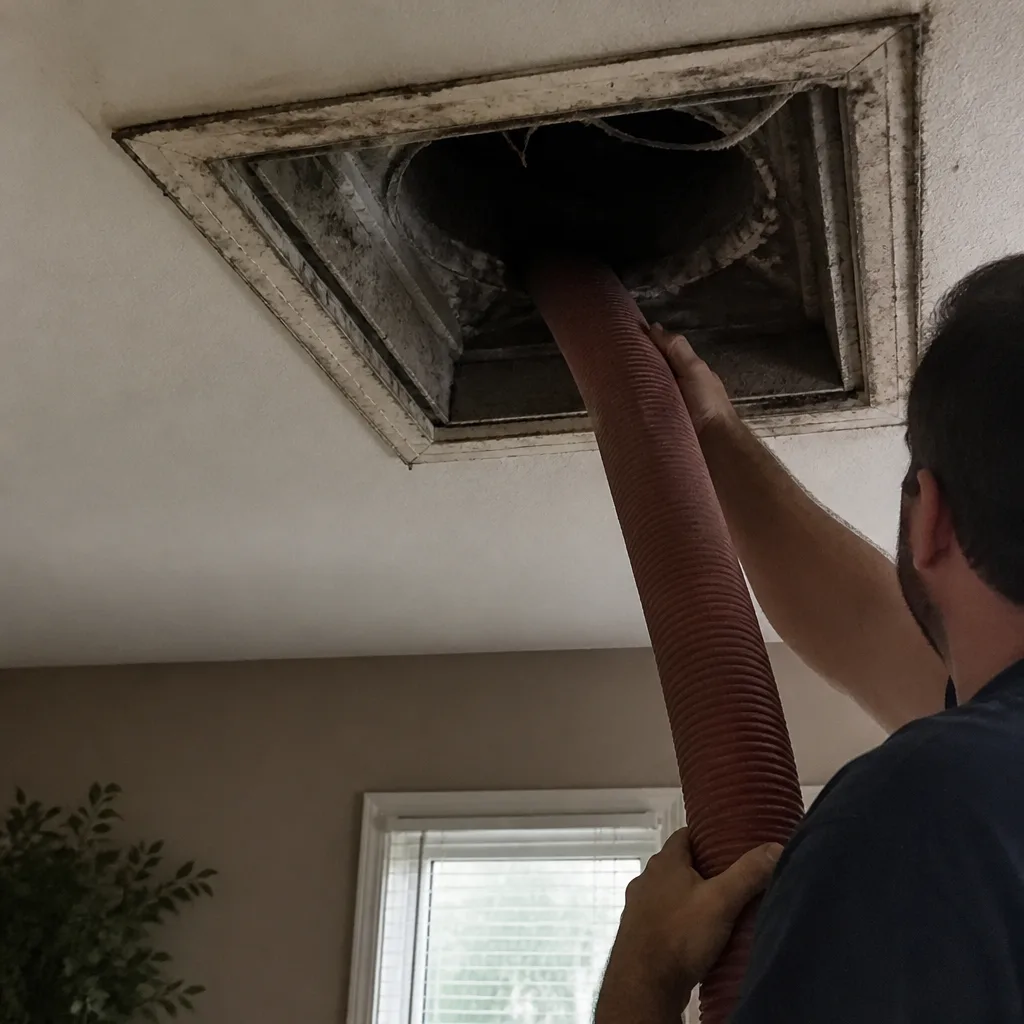 Before
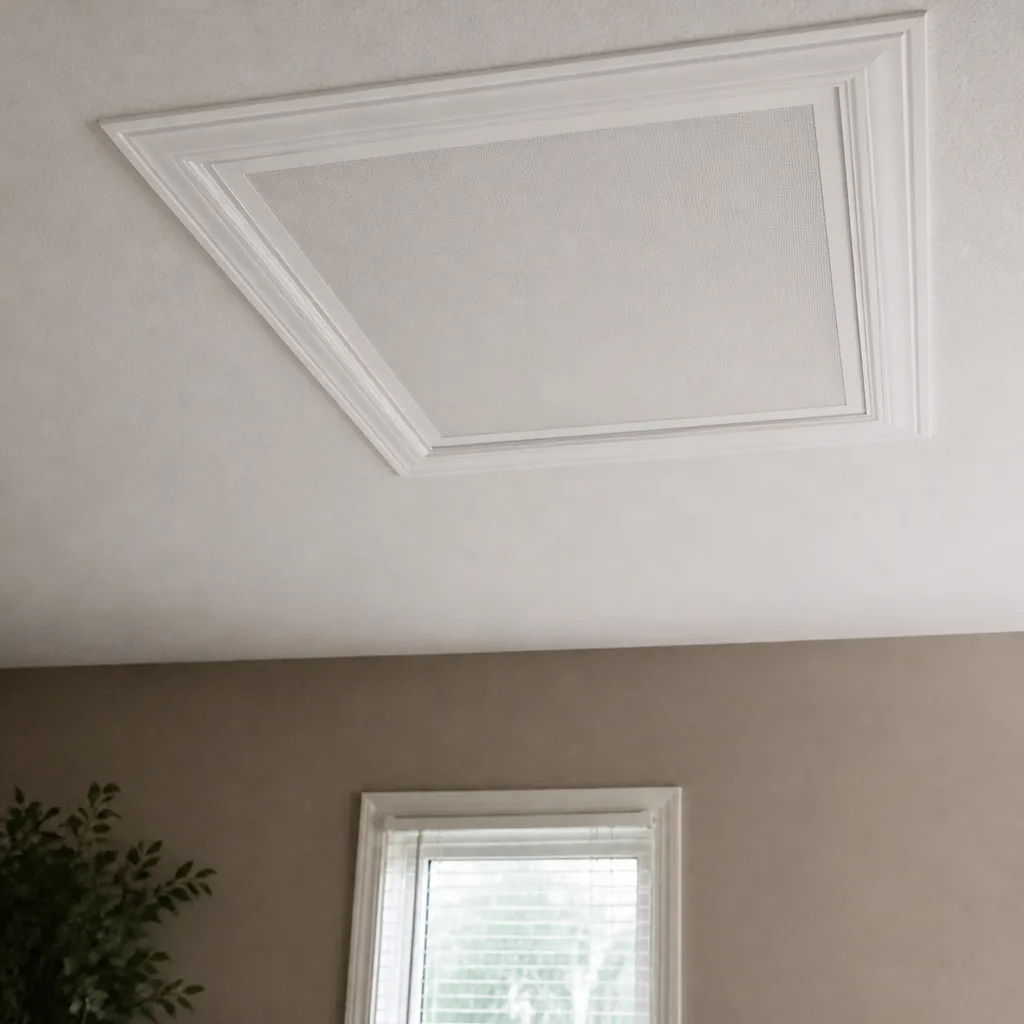 After
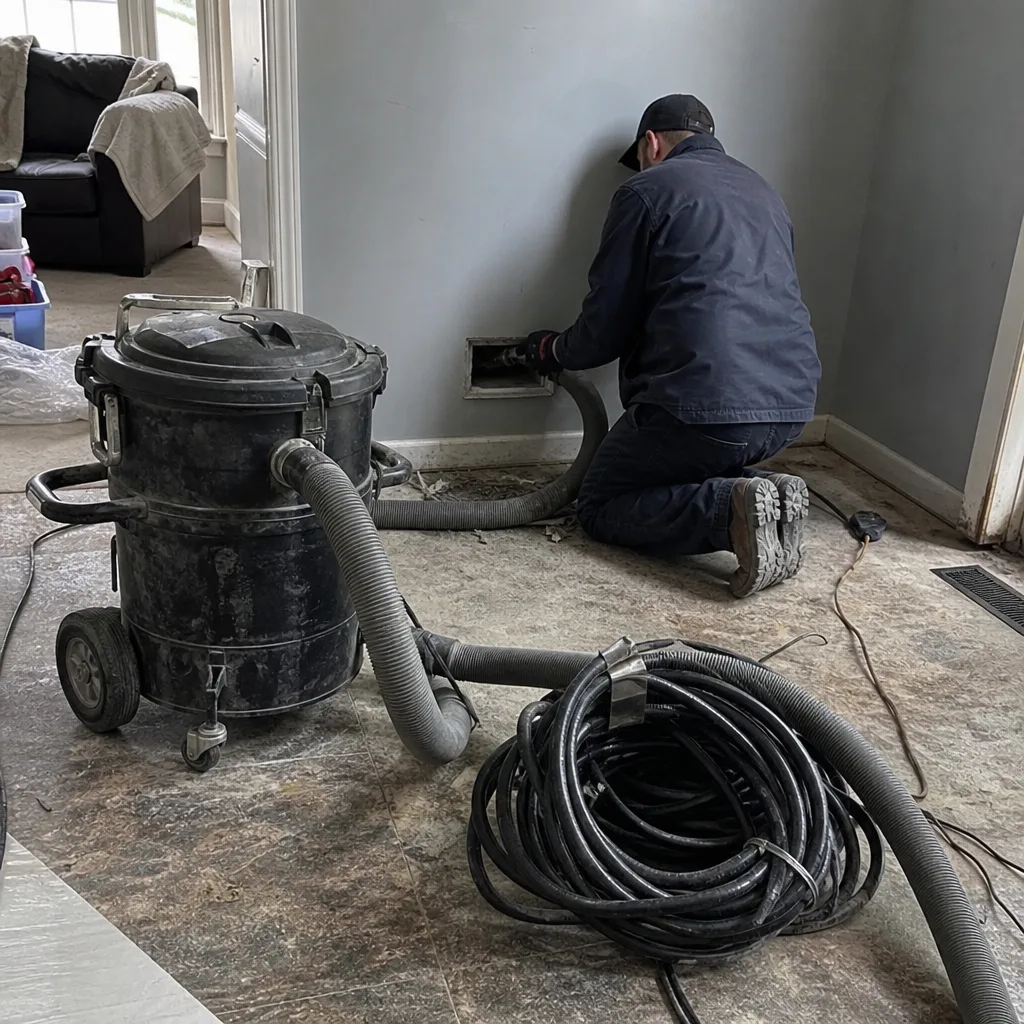 Before
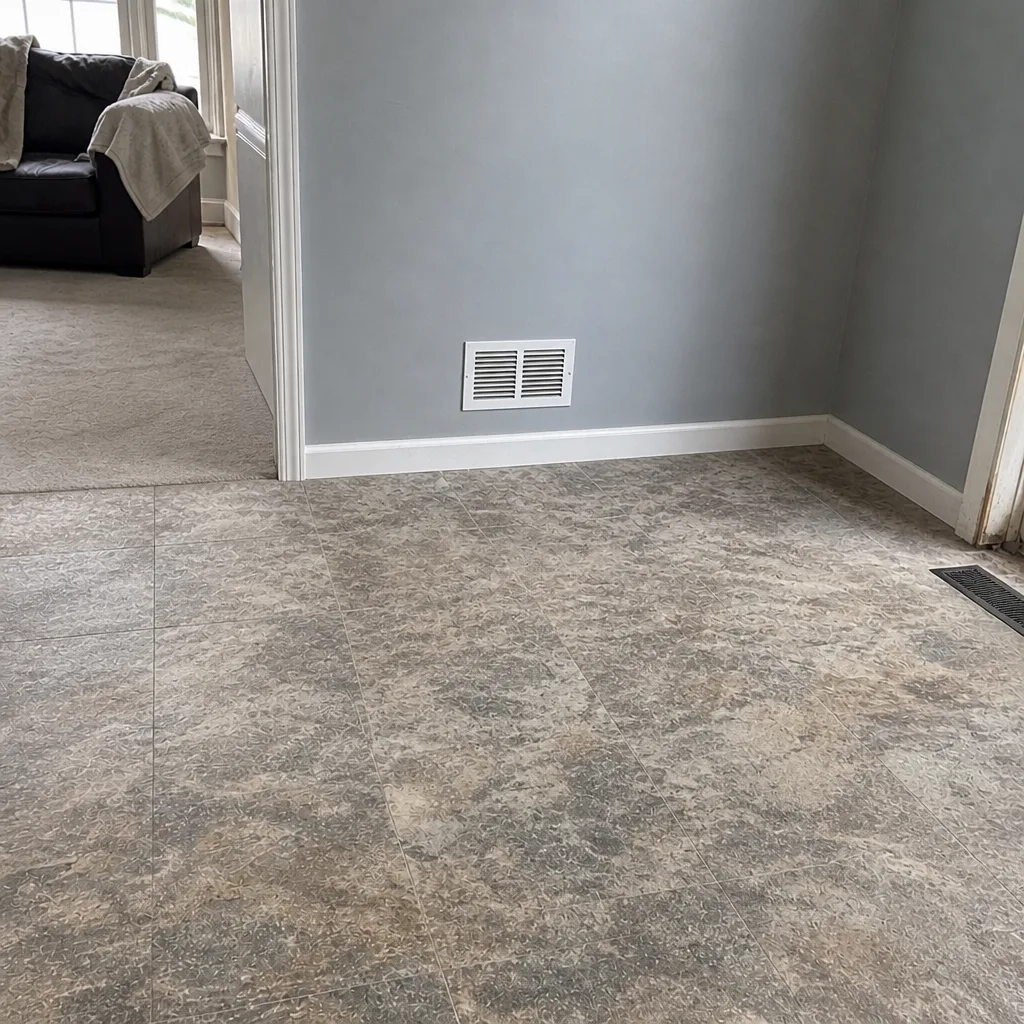 After
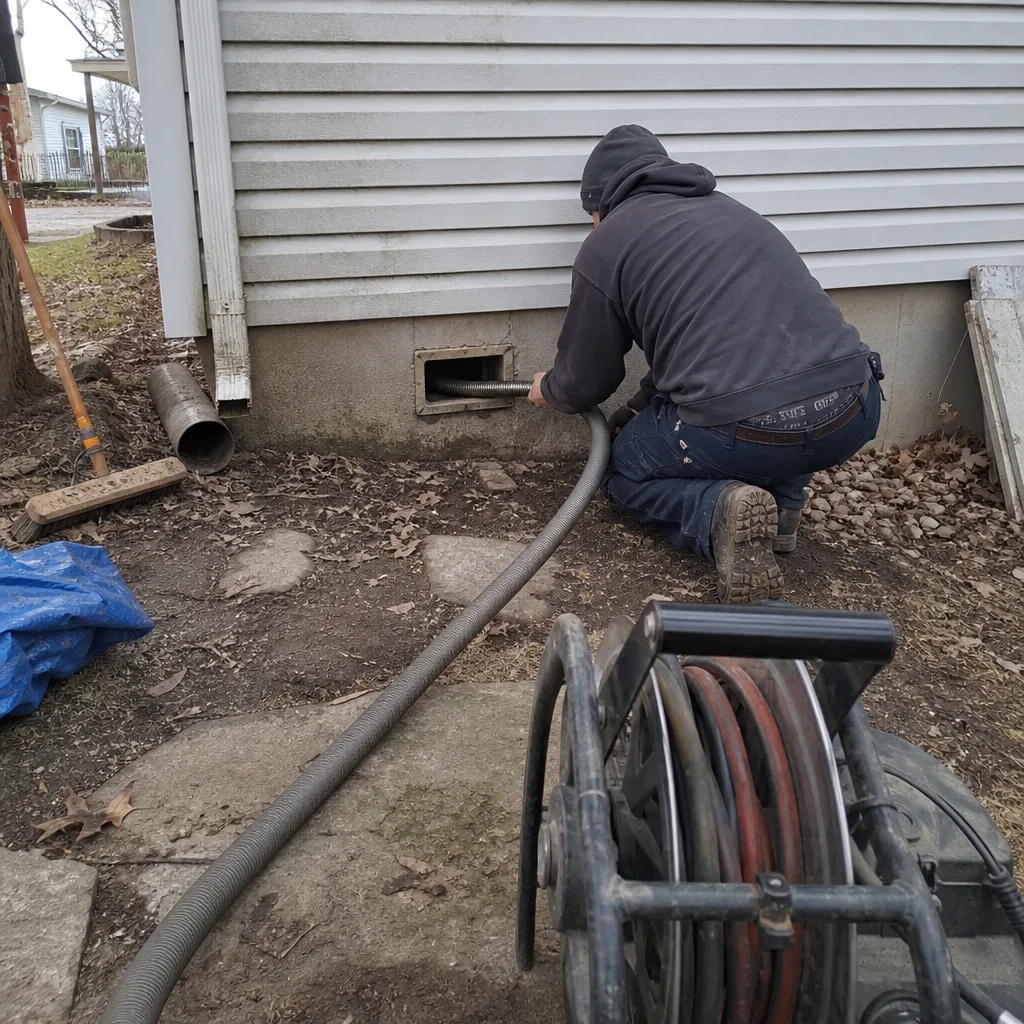 Before
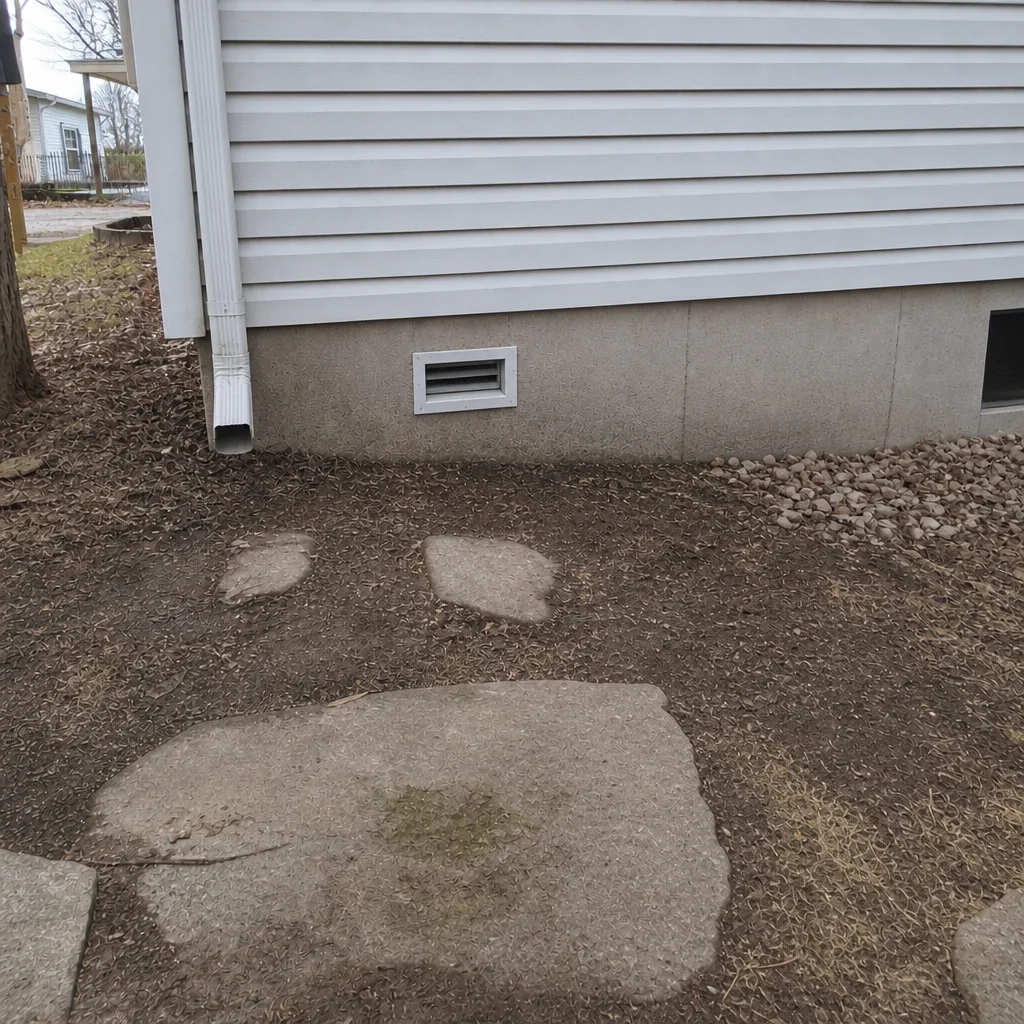 After
When to Call a Professional
Call a professional when the question shifts from “what can I see” to “what’s in the rest of the system.” Specific triggers: visible debris or dark dust tracks at multiple registers, dust settling on surfaces shortly after cleaning, recent renovation that produced drywall or sawdust, a move-in to a previously occupied Indianapolis home, persistent allergy symptoms indoors, a home with pets, or a dryer that’s taking noticeably longer to dry a load. Any one of these justifies a professional look.
We can also fix what cleaning reveals. Air duct repair is a capability most duct-cleaning companies don’t offer, and it means you don’t need a second contractor if the cleaning finds disconnected joints or crushed runs. Sentry Air Duct Cleaning offers free estimates in Indianapolis, and we bring Rotobrush and Nikro equipment on every job. Call (888) 382-8408 to schedule. We answer 24/7. Fast dispatch from 7am to 7pm, Sunday through Friday.
Frequently Asked Questions
You can clean the visible surface of your registers and the first accessible section of a duct run, but consumer tools can’t reach the trunk line, the far ends of branch runs, or the bends where contamination accumulates. DIY is a reasonable interim measure; it’s not a substitute for full-system cleaning. Call (888) 382-8408 for an exact quote – estimates are free.
Professional air duct cleaning in Indianapolis is priced per system, not per vent, because the work depends on system size and layout. We set one flat price per system in a written estimate before any work starts, so there’s no low teaser price that grows once the technician is on site. Call (888) 382-8408 for your free estimate.
Cheap quotes often reflect air-whip-only methods or repurposed equipment that doesn’t apply full-system negative pressure or contain dislodged debris. You’re paying less for a service that cleans less and may redistribute dust. We use Rotobrush brush-contact systems and Nikro HVAC equipment on every job, and we’re upfront about what the price covers. Call (888) 382-8408 for an estimate you can compare honestly.
Ask for before-and-after photos of the duct interiors, not the register grilles. A contractor who applies real containment and brush contact can show you what came out and what the run looked like before and after. That’s why we provide photos on every job. Call (888) 382-8408 to book a cleaning you can verify.
Most Indianapolis homes benefit from professional cleaning every few years, with more frequent cleaning after renovation, after moving into a previously occupied home, or in pet-heavy households. Climate swings and heating-season run hours both affect the schedule. Call (888) 382-8408 and we’ll talk through your system.
It can. Agitating debris without containment can redistribute dust into rooms that were previously clean. If you have allergies, that’s worse than leaving the ducts alone. The safe version of DIY is register-level maintenance, not brushing into the system. For anything past the first accessible section, call (888) 382-8408.
The Bottom Line
The honest answer on DIY versus professional air duct cleaning in Indianapolis is that they solve different problems at different depths. DIY handles what’s visible and accessible: register grilles, the duct throat, filter changes, lint screens. Professional cleaning handles everything else: the trunk line, the branch runs, the bends, the bonded contamination on duct walls, and it does so with containment so disturbed debris doesn’t end up in your rooms. Pair the two rather than treating one as a substitute for the other. Surface maintenance between visits. Full-system brush contact and negative pressure on a realistic cycle. That combination protects your airflow, your indoor air quality, and your system’s efficiency – and it’s what you can verify afterward.
If you’re ready to see what a professional cleaning would remove from your system, our team at Indianapolis is here to help. Call (888) 382-8408 for a free estimate. We answer 24/7. Fast dispatch from 7am to 7pm, Sunday through Friday. One flat price per system, agreed before work starts, with before-and-after photos of your own ducts.
Written by the team at Sentry Air Duct Cleaning.