
Last updated November 16, 2026
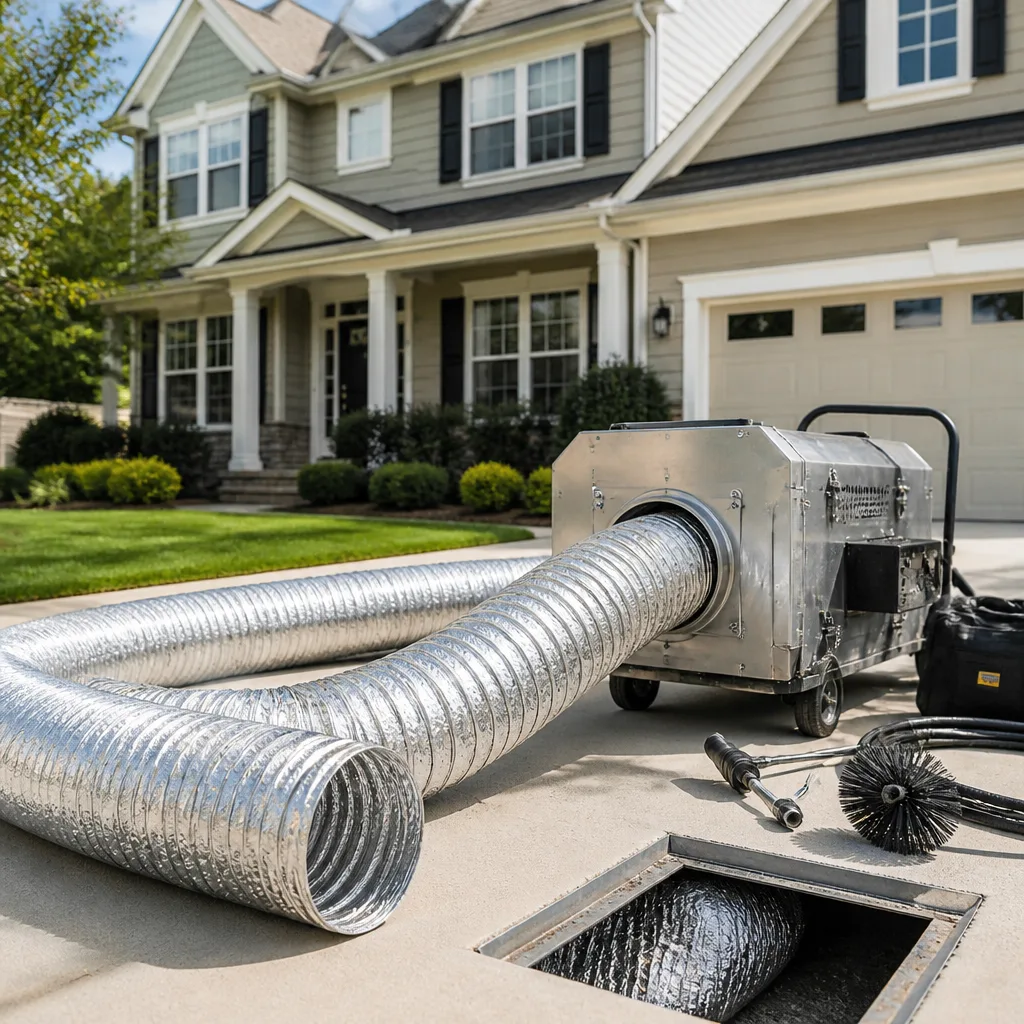 Whole-home duct cleaning
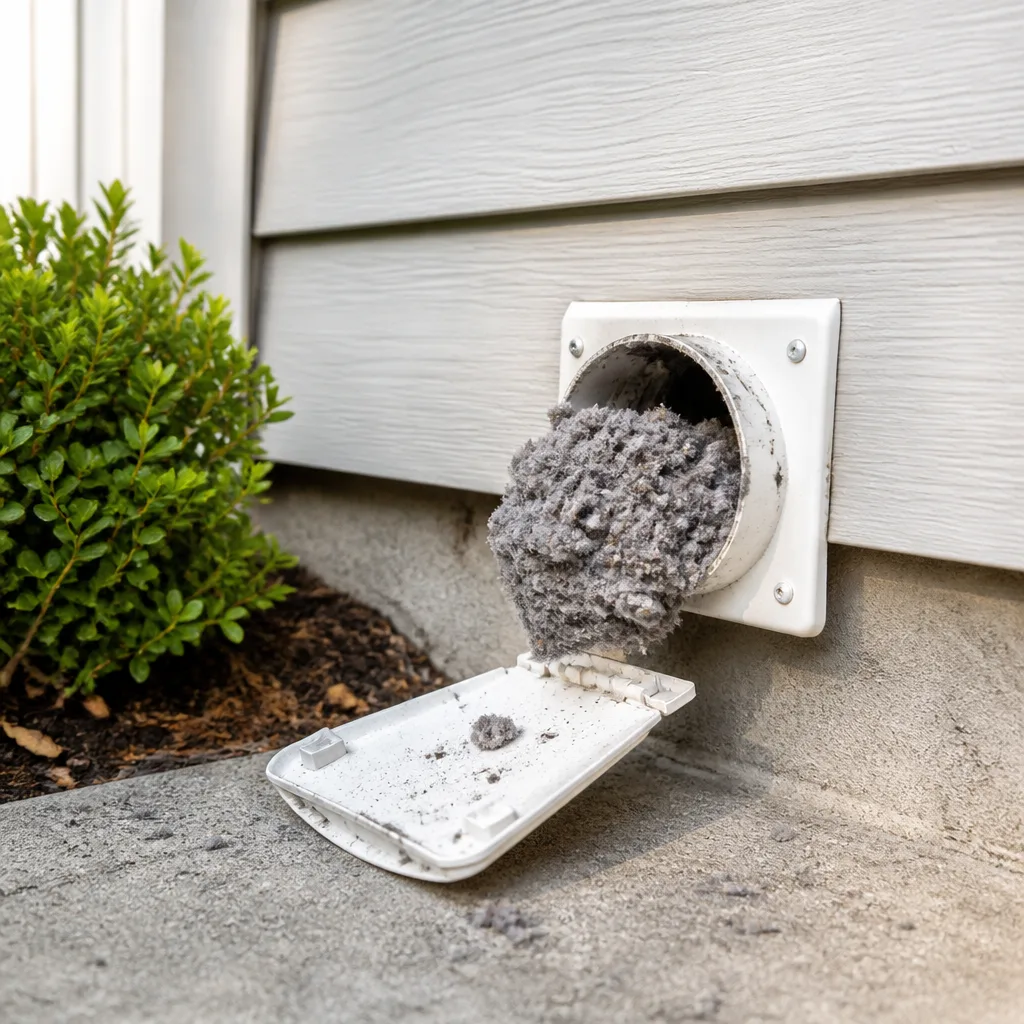 Dryer vent cleaning
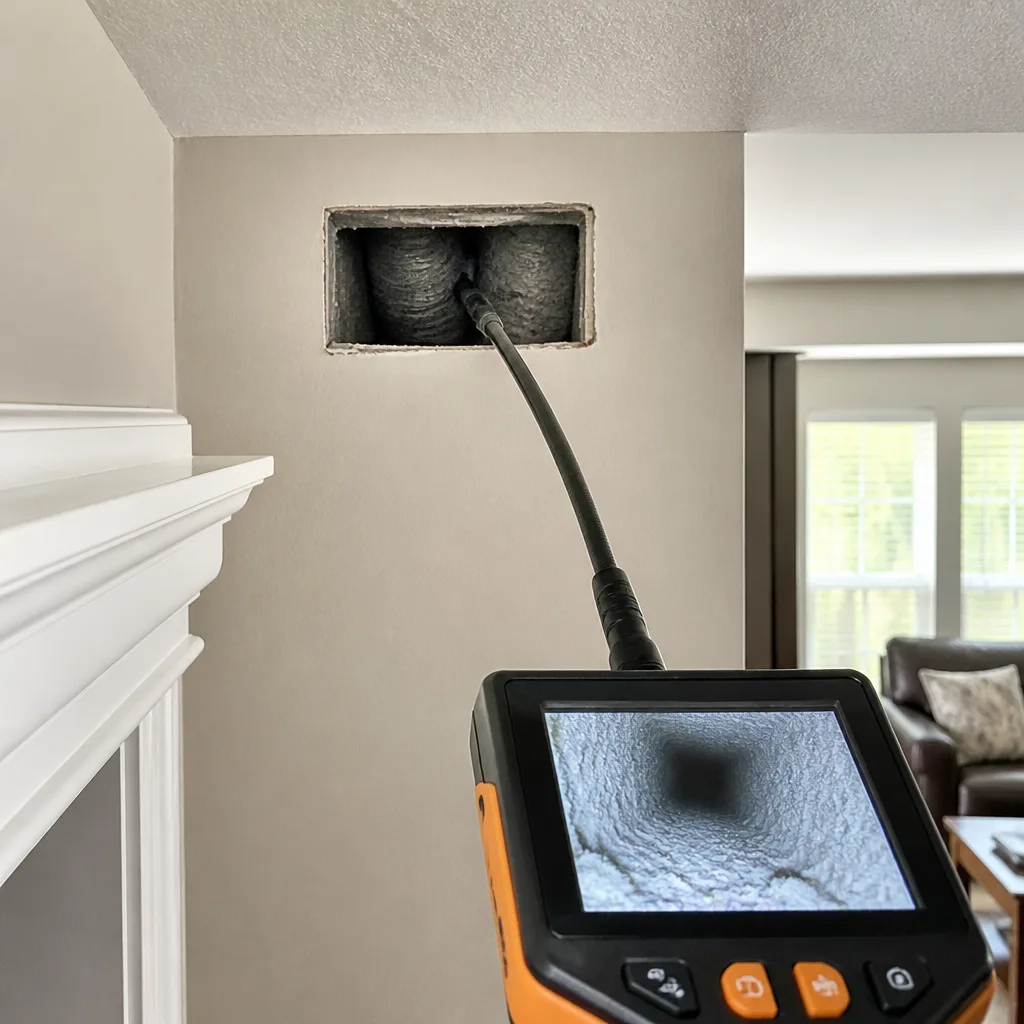 Camera inspection
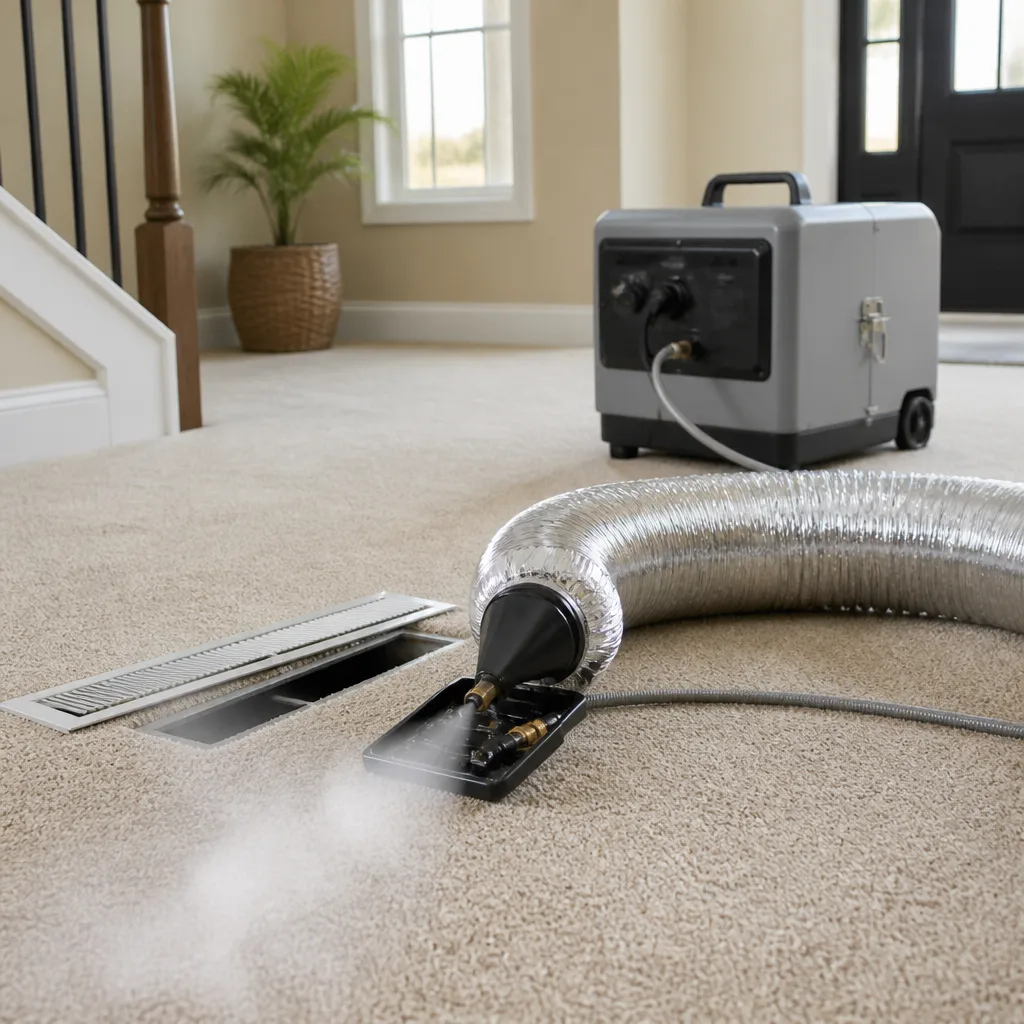 Sanitizing & deodorizing
Whole-system duct and dryer vent check with before-and-after photos - you see exactly what came out of your vents
That "$99 whole-house special" is a bait ad - the real number appears once they are in your hallway, or the "clean" is a shop-vac at the register. We photograph the inside of your ducts before and after instead.
Seasonal Air Duct Cleaning Care for Indianapolis: Year-Round Homeowner’s Guide
Most Indianapolis homeowners treat air duct cleaning as a box to check every three to five years, usually whenever the reminder drifts across their radar. That habit almost always lands the cleaning at the wrong time. Duct contamination in this city doesn’t build at a steady rate; it comes in four distinct seasons, each with its own debris type, moisture condition, and risk profile. Cleaning on a fixed calendar rather than a seasonal one means you miss the highest-risk windows entirely. This guide breaks the year into a maintenance calendar so you clean at the moments that actually matter, not just when it’s convenient.
Quick Answer
Seasonal air duct cleaning in Indianapolis works best on a maintenance calendar rather than one annual appointment. Spring is the highest-risk window for mold growth as moisture returns to ductwork cooled all winter, summer humidity above 60% creates condensation risk inside under-insulated flex runs, fall is the moment to clean before the first heating cycle burns off settled debris, and winter is when combustion byproducts can migrate through return ductwork. A pro cleaning timed to the seasonal transitions, paired with filter changes and an HVAC tune-up, protects air quality and system efficiency better than a single once-a-year visit. If you’re unsure where your system stands, get a free estimate and let a technician map the schedule for your home.
Styles & brands we work with
- Whole-home duct cleaning
- Dryer vent cleaning
- Camera inspection
- Sanitizing & deodorizing
Table of Contents
- Spring: The Highest-Risk Window for Duct Mold
- Summer: Humidity and Condensation Risk in Flex Duct
- Fall: Cleaning Before the First Heating Cycle
- Winter: Combustion Byproducts in Return Ducts
- How to Sequence Cleaning, Filters, Tune-Ups, and Dryer Vents
- What Indianapolis Climate Does to Your Ductwork
- Common Mistakes to Avoid
- When to Call a Professional
Spring: The Highest-Risk Window for Duct Mold
Spring is the single most important window for a pre-season duct cleaning in Indianapolis, and it’s the one most homeowners skip. Here’s why: your ductwork has spent an entire winter cycling warm air while the surrounding structure stayed cold. Moisture has had all winter to condense on cool duct surfaces, and when the outdoor humidity climbs again in spring, that trapped moisture doesn’t evaporate so much as it fuels growth. Mold and mildew need three things: organic dust, moisture, and a dark, undisturbed surface. Duct interiors after a winter of use have all three.
This matters especially in the older housing stock around neighborhoods like Fountain Square and Irvington, where ductwork is often original and less well sealed. A small moisture problem in a return run can quietly turn into a microbial one long before you smell anything. The fix isn’t a casual wipe-down; it’s a brush-contact cleaning that physically dislodges debris from the duct walls while HEPA-filtered equipment captures what comes loose. That’s where our air duct cleaning approach differs from a basic air-whip pass, which can stir contaminants without removing them.
What a spring cleaning should accomplish:
- Remove winter-accumulated dust and the moisture it holds
- Inspect for standing moisture or discoloration in flex runs and transitions
- Verify the condensate path and drain pan aren’t leaving the system damp
- Confirm filter seals are snug before the cooling season stresses the system
The key is the timing: clean after the heating season ends and before cooling begins. Cleaning in that narrow gap means what you dislodge doesn’t get pulled straight back through the house by the air conditioner the same week.
Summer: Humidity and Condensation Risk in Flex Duct
Indianapolis summers are humid, and humidity above 60% is where duct systems start to fight themselves. When cool air moves through ductwork in a hot, humid attic or crawlspace, the duct’s exterior surface can drop below the dew point of the surrounding air. Water condenses on the outside, and if the insulation or vapor barrier is compromised, it works its way in. Improperly insulated flex duct runs are especially vulnerable. That condensation is the reason an attic duct run can look perfectly dry from the inside of the house while quietly getting wet in the unconditioned space above.
Summer is also the season of the coolant-driven cold line. On central systems, the air handler and supply plenum stay cold all day. Any dust that clings to those surfaces absorbs moisture and becomes the base layer for biological growth. This is why a summer cleaning should focus less on the ducts themselves and more on the air handler and coil housing, where damp accumulation tends to begin.
What we look for during a summer inspection:
- Sweating or staining on flex duct in unconditioned attic and crawlspace runs
- Compressed or sagging insulation that has lost its vapor barrier integrity
- Moisture at the air handler, plenum, and drain pan
- Biological growth at the supply registers where cool air meets warm room air
Summer duct work is also the right time to talk about product upgrades, because this is when you’ll notice the cost of a leak or a poorly sealed run. Products from Honeywell and Aprilaire are the common ones homeowners ask about, and they help manage the humidity that causes much of the problem in the first place. Sentry Air Duct Cleaning doesn’t sell HVAC equipment, but we can tell you when a filtration or humidity product makes sense versus when a duct repair is the real fix.
Fall: Cleaning Before the First Heating Cycle
The first cold snap in Indianapolis is when a season’s worth of dust, pollen, and settled debris gets burned off your ductwork and pushed into every room. That “first heat” smell, the dry, dusty odor that hangs in the air when the furnace comes on, is exactly what’s happening. Debris settles in the ducts through summer, then the heating cycle vaporizes volatile compounds and lifts particulates back into circulation. Once that cycle starts, whatever wasn’t cleaned recirculates for months.
The right sequence here is clean, then heat. Cleaning before the furnace wakes up means the first heating cycle pushes clean air, not last summer’s accumulation. It also lets you observe the ducts after cleaning while the system is still in its cooling configuration, so any issue with seals or flex connections is easier to spot and fix.
A fall pre-season cleaning should walk through these steps in order:
- Clean all supply and return runs while the system is still circulating cool air
- Inspect and reseal connections at the plenum, trunk lines, and registers
- Check the heat exchanger while the system is off and accessible
- Replace the filter with the correct MERV rating for the system
- Run the heating cycle with windows cracked open for the first activation
Fall is also the right time to book a dryer vent cleaning, before the winter months when the dryer runs more and lint accumulation becomes a greater fire risk. We handle dryer vent cleaning as a separate service, and it’s worth pairing with the fall duct visit so the whole household air-and-lint picture gets addressed at once.
Winter: Combustion Byproducts in Return Ducts
Winter is the season that deserves the most caution, and it’s the one where duct condition stops being about comfort and starts being about safety. In a gas furnace system, the heat exchanger separates combustion gases from the air that blows through your ducts. When that exchanger develops a crack or corrosion, carbon monoxide and other combustion byproducts can leak into the airstream and get pulled back through the return duct system. The return ducts can carry visible signs long before a carbon monoxide alarm sounds: soot, streaking, or unusual discoloration at return grilles and near the furnace housing.
This is a safety boundary we don’t treat casually. A cracked heat exchanger is not a duct-cleaning problem, and we’ll tell you that plainly. We are not HVAC contractors, and we don’t repair or replace heat exchangers. What we can do is clean and inspect the duct system, note anything that looks like combustion byproduct migration, and tell you to bring in a licensed HVAC professional immediately. If you see discoloration at return registers, smell an unusual exhaust odor in the house, or your CO alarm has ever triggered, that’s a call to your HVAC contractor, not a cleaning order.
What a winter duct condition check includes:
- Inspect return grilles and plenum for soot or streaking
- Confirm the air handler compartment is clean and free of loose debris
- Check filter fit and verify a fresh filter is in place for peak heating load
- Flag anything suspicious and route the homeowner to a licensed HVAC professional
Winter is also the season when indoor air stays trapped. Because windows stay closed for months, whatever is circulating stays circulating. That’s exactly why the fall cleaning matters so much: it’s the last best chance to reset the system before the house seals up for the season.
How to Sequence Cleaning, Filters, Tune-Ups, and Dryer Vents
Getting the timing right across the calendar is what separates a well-maintained system from one that’s cleaned randomly. The four tasks you’re sequencing are duct cleaning, filter changes, HVAC tune-ups, and dryer vent clearing, and they line up in a logical order through the year. A single, well-timed professional visit plus routine homeowner tasks can keep a system running clean without much guesswork.
Here’s the sequence we recommend:
- Early spring (March – April): full duct cleaning and inspection, after the heating season ends and before cooling begins
- Late spring (May): HVAC tune-up so the cooling system starts the season clean and efficient
- Summer (June – August): filter changes as the cooling load peaks, plus a check on attic flex runs during hot, humid stretches
- Early fall (September – October): second duct cleaning or inspection if the system ran hard through the summer, plus a dryer vent cleaning before winter
- Fall (October – November): HVAC tune-up on the heating side, and a fresh filter before the first heat cycle
- Winter (December – February): filter changes through peak heating, and a visual check of return grilles for any combustion-related signs
Not every home needs a full cleaning twice a year. A newer build with well-sealed ductwork may only need one cleaning every few years, while an older home with pets, recent renovations, or a family member with allergies may justify more frequent visits. The sequence matters more than the frequency: clean before the season changes, and change the filter before each peak demand period.
What Indianapolis Climate Does to Your Ductwork
Indianapolis sits in a transitional climate that swings hard in both directions. Summers bring heat and humidity above 60%, and winters bring stretches cold enough that the heating system runs almost continuously for weeks. That range is the reason a single, fixed cleaning date doesn’t work here: the duct system is doing fundamentally different things in July than it is in January.
The seasonal picture for Indianapolis ductwork:
- Spring: moisture returns to cool ductwork, feeding mold and mildew growth
- Summer: high humidity drives condensation inside under-insulated flex runs in attics and crawlspaces
- Fall: the first heating cycle vaporizes summer-settled debris and pushes it into living spaces
- Winter: combustion byproduct migration risk in return ducts when the furnace runs at peak
The regional housing stock adds another dimension. Older homes in neighborhoods like Broad Ripple and Irvington often have original ductwork that isn’t well sealed, so contaminants enter the system more easily and moisture moves more freely. Newer construction in the outer suburbs tends to have tighter duct sealing but sometimes undersized flex runs that compress in tight spaces, reducing airflow. Both are worth a professional inspection, just for different reasons.
None of this means every Indianapolis home needs yearly cleaning. It means the seasonal timing of a cleaning is worth as much thought as the cleaning itself. Booked at the right moment, one properly timed visit does more than three poorly scheduled ones.
Common Mistakes to Avoid
- Cleaning once every three to five years with no regard to season. A fall cleaning and a spring cleaning do different jobs, and an annual visit timed to the wrong window misses whichever risk is highest that year.
- Cleaning after the heating season instead of before it. Cleaning in October lets the first heat cycle push clean air; cleaning in December lets a season’s worth of debris recirculate first.
- Skipping the filter at the same time as the cleaning. A clean duct system behind a clogged filter is just a clean duct system that replenishes its dust load within weeks. Change the filter on every cleaning visit.
- Ignoring the attic and crawlspace ducts during summer. The supply runs in unconditioned space are where condensation risk lives, and a cleaning that only touches the visible registers on the main floor misses the runs that actually need attention.
- Mistaking a dryer vent issue for a duct issue. Lint accumulation in the dryer vent is a separate fire risk from indoor air quality and needs its own inspection. A periodic dryer vent cleaning is a different service, and it matters.
- Treating a soot or combustion odor as a cleaning problem. Visible soot at return grilles or a persistent exhaust smell is a reason to call a licensed HVAC contractor, not a duct cleaner. Clean the ducts after the safety concern is resolved.
- Booking the cheapest cleaning you can find without checking the method. Air-whip-only cleaning dislodges surface debris but doesn’t physically brush duct walls. Ask what equipment is being used before you book.
If you’ve made one or two of these mistakes in the past, don’t worry about it. The fix is just a better-timed schedule starting now. A professional cleaner can look at your system and help you decide which season is the right starting point for your home.
When to Call a Professional
Not every sign of dust in the house means it’s time to book a cleaning. Some situations call for it, and some call for a different trade entirely. Call a professional duct cleaner when you notice a visible dust plume when the system starts, when a family member’s allergies get worse after the HVAC kicks on, when you’ve just finished a renovation that filled the house with construction dust, or when you can see debris or discoloration inside registers.
Call a licensed HVAC contractor instead when you see soot at return grilles, smell combustion gases, or your carbon monoxide alarm goes off. Sentry Air Duct Cleaning doesn’t repair heat exchangers or handle HVAC installation. We clean, we inspect, and we repair ductwork. For the seasonal schedule, the right move is a free estimate: Sentry Air Duct Cleaning offers free estimates in Indianapolis, and a technician can map the cleaning windows that make the most sense for your home’s age, duct layout, and family needs. Call (888) 382-8408.
See the difference
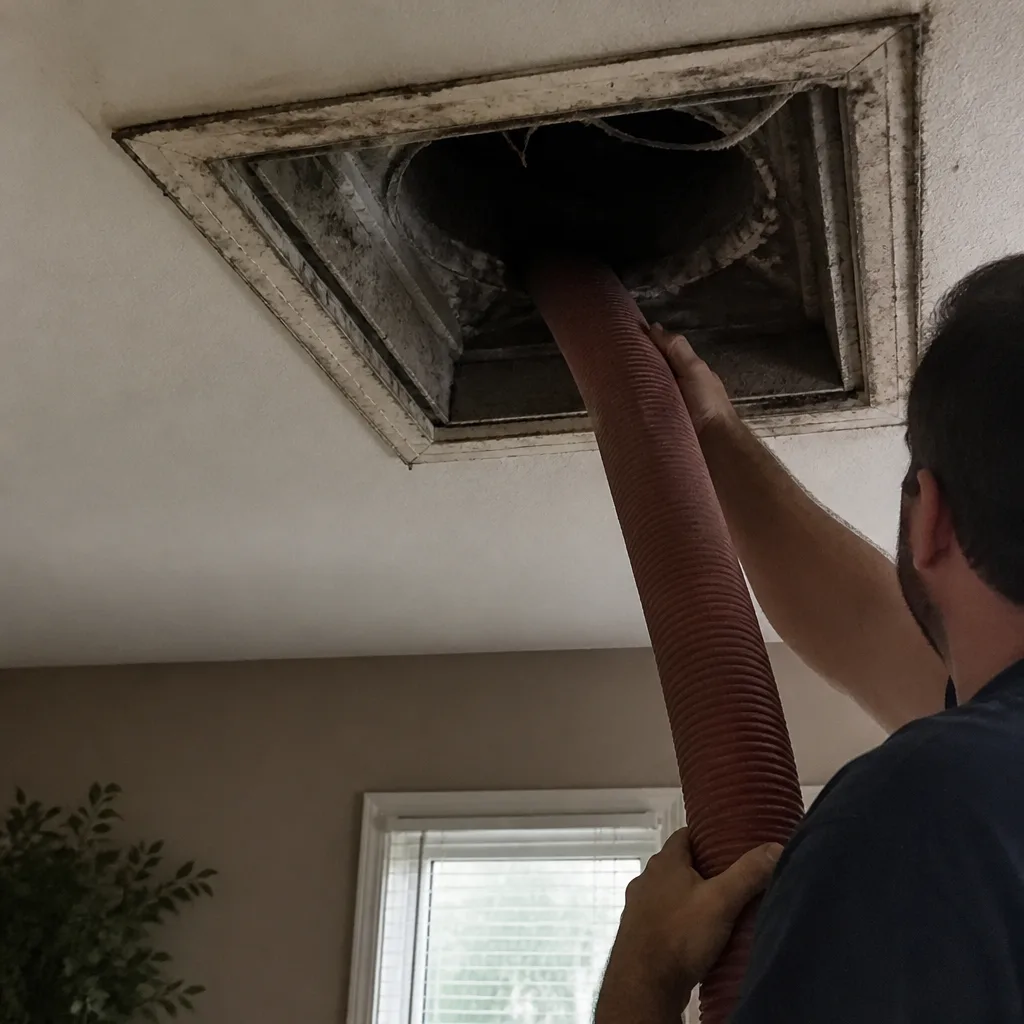 Before
 After
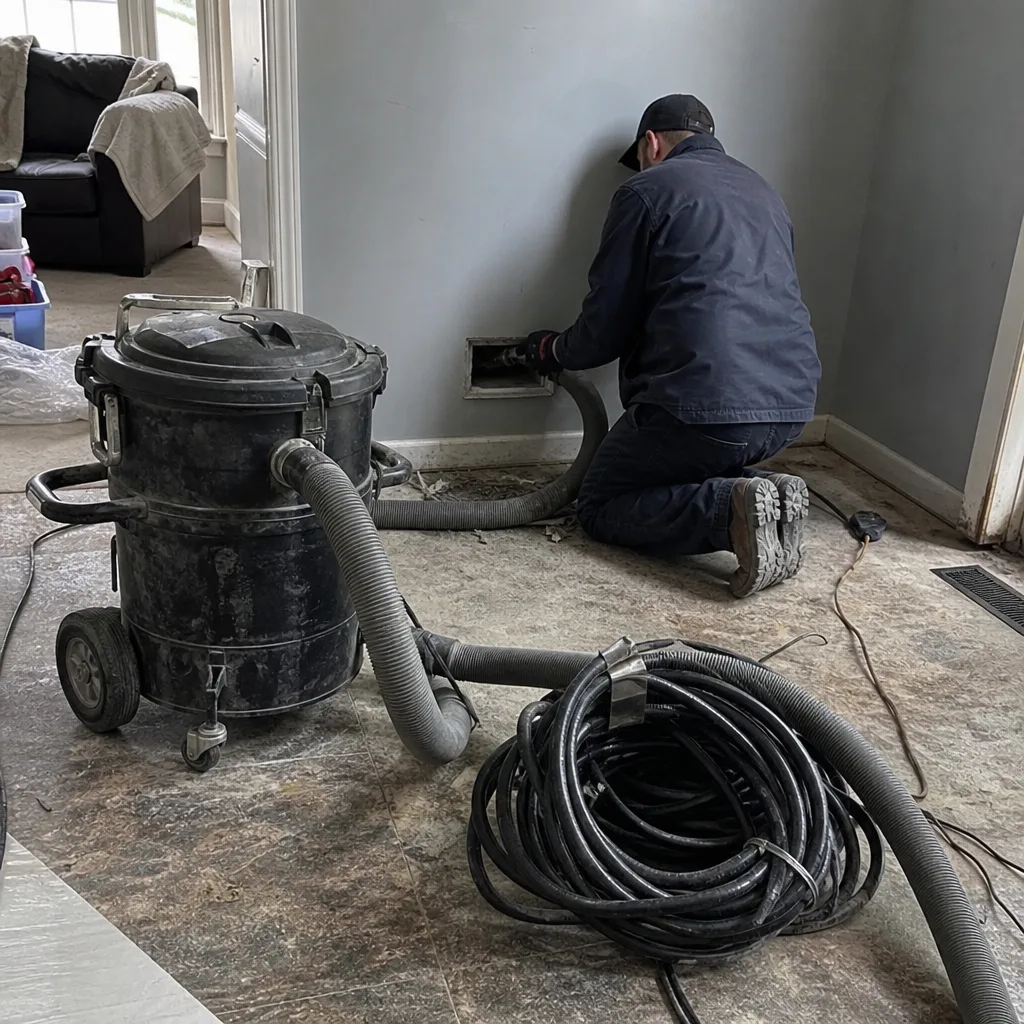 Before
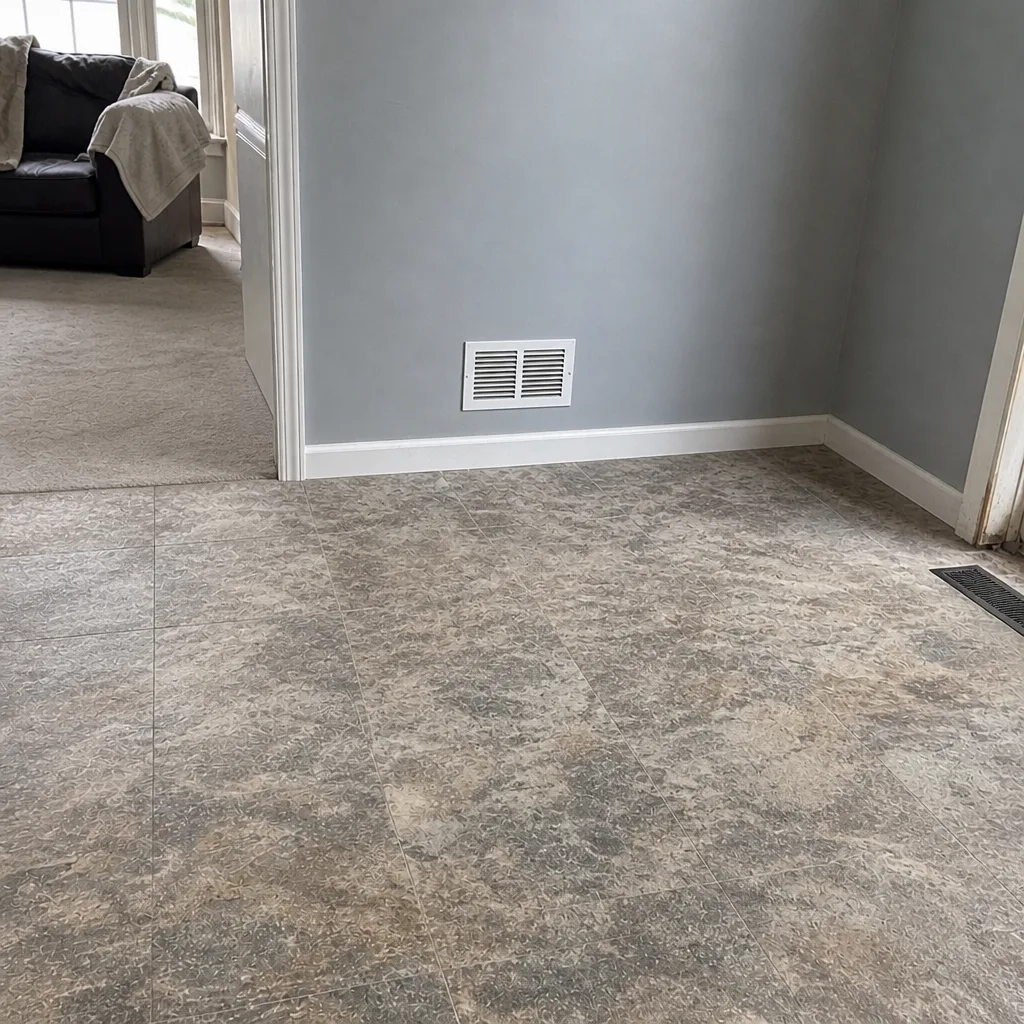 After
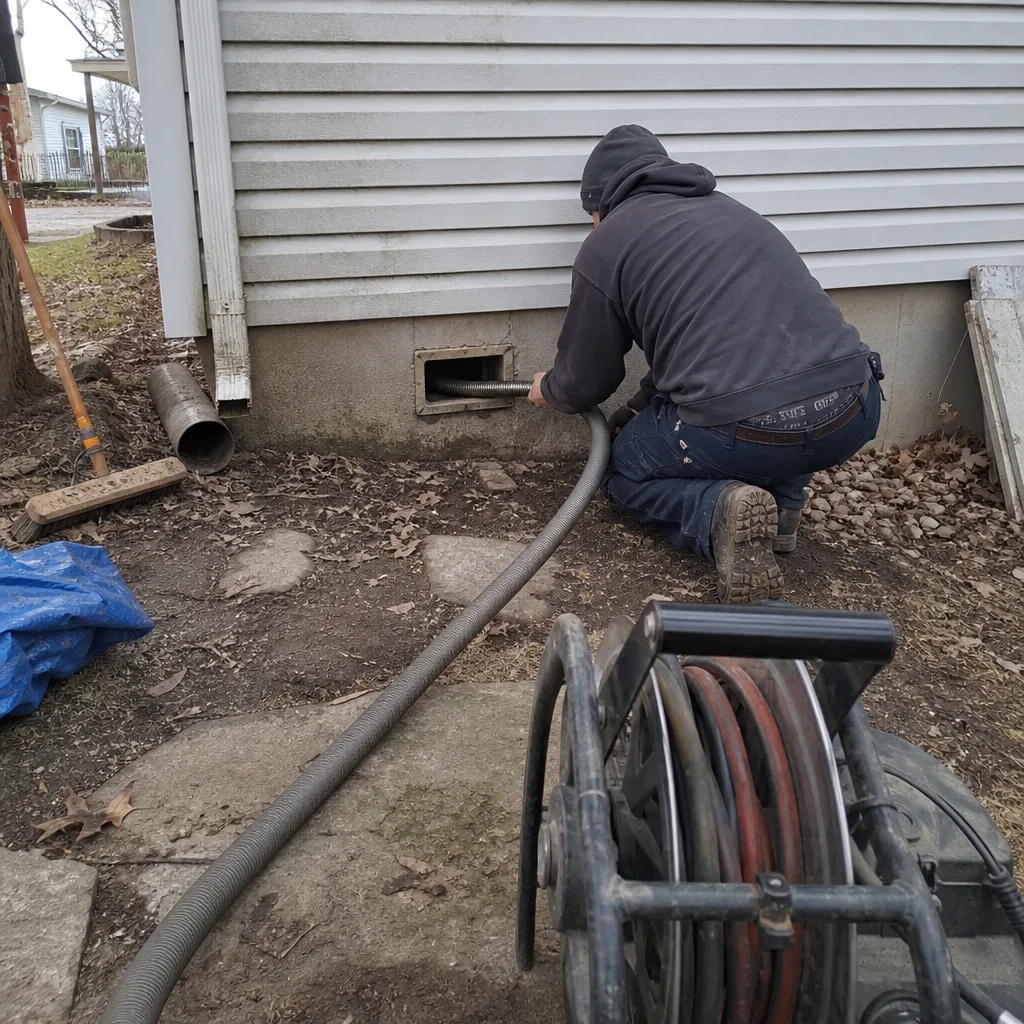 Before
 After
Frequently Asked Questions
Most Indianapolis homes benefit from a cleaning every three to five years, but the timing within that window matters more than the frequency. Homes with pets, allergies, recent renovations, or older ductwork may benefit from more frequent visits. The best approach is to time cleanings to seasonal transitions rather than to an arbitrary anniversary date.
Early spring is the single most important window, timed after the heating season ends and before cooling begins. Fall is the second-best window, right before the first heating cycle, because it prevents summer-settled debris from recirculating all winter. In practice, a spring cleaning plus a fall inspection covers the year well.
The first heating cycle of the year vaporizes volatile compounds from dust and debris that settled in the ductwork over the summer, and that dry, dusty smell is the result. A cleaning before the first heat cycle eliminates the source instead of letting the smell recur for weeks. If the odor is sharp or exhaust-like rather than dusty, have a licensed HVAC contractor inspect the heat exchanger before any cleaning.
Yes, and it’s the main summer duct risk in this climate. When humidity climbs above 60% and cool air moves through under-insulated flex duct in an attic or crawlspace, moisture can condense on the duct exterior or inside a compromised vapor barrier. That damp environment is what feeds biological growth, which is why summer duct work should focus on insulation integrity and air handler inspection as much as on the ducts themselves.
Yes. Construction dust is fine, deeply penetrating, and easily pulled into ductwork when the HVAC system runs during the work. A cleaning shortly after a renovation is one of the most justified reasons to schedule the service in any season. Pair it with a filter change and, ideally, a full inspection of the attic and crawlspace runs where dust is most likely to have accumulated.
A thorough cleaning uses brush-contact equipment, not just an air whip, and includes before-and-after photos of your own ducts so you can see the difference for yourself. Ask upfront what equipment is being used and whether photos are part of the visit. Professional cleaning with a Rotobrush brush-contact system or equivalent physically dislodges debris from duct walls; a basic air-whip pass can stir contaminants without removing them.
The Bottom Line
Air duct cleaning in Indianapolis isn’t a single annual event; it’s a maintenance calendar. Spring is the mold-risk window, summer is the humidity window, fall is the cleaning-before-heating window, and winter is the combustion-safety window. Sequencing cleaning, filter changes, HVAC tune-ups, and dryer vent clearing across the year protects air quality more effectively than any single cleaning visit. If you want a technician to look at your specific system and map that calendar for your home, Sentry Air Duct Cleaning offers free estimates in Indianapolis. Call (888) 382-8408. We answer 24/7. Fast dispatch from 7am to 7pm, Sunday through Friday. Learn more about Sentry Air Duct Cleaning and the full scope of services we provide.
Written by the team at Sentry Air Duct Cleaning.