
Last updated November 16, 2026
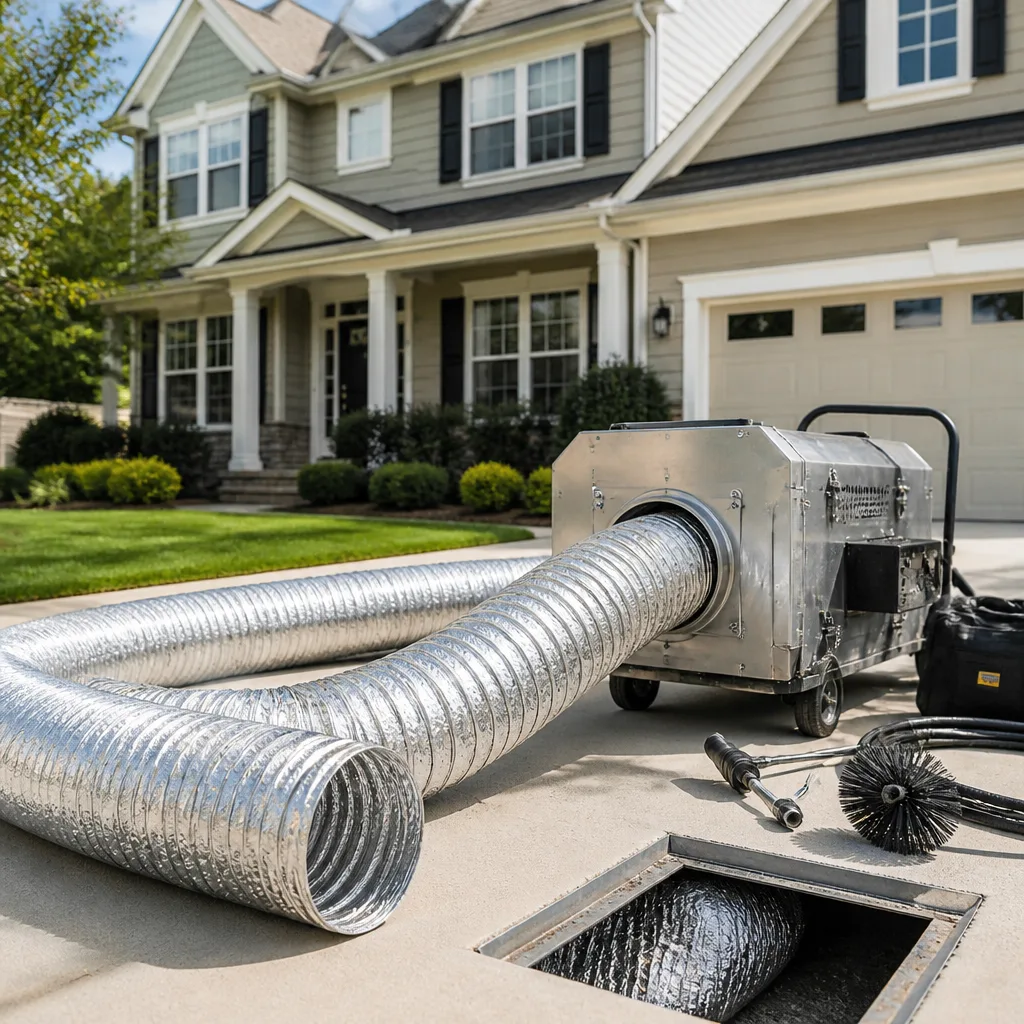 Whole-home duct cleaning
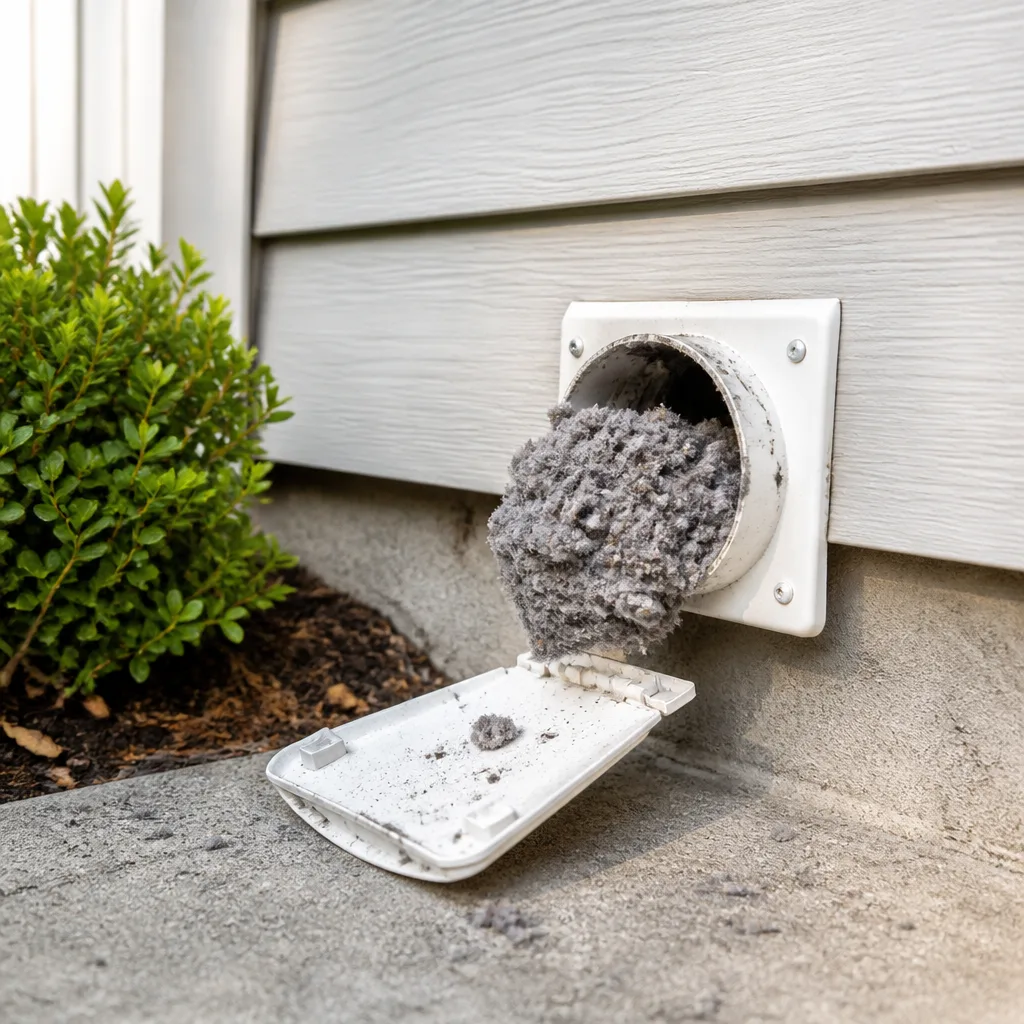 Dryer vent cleaning
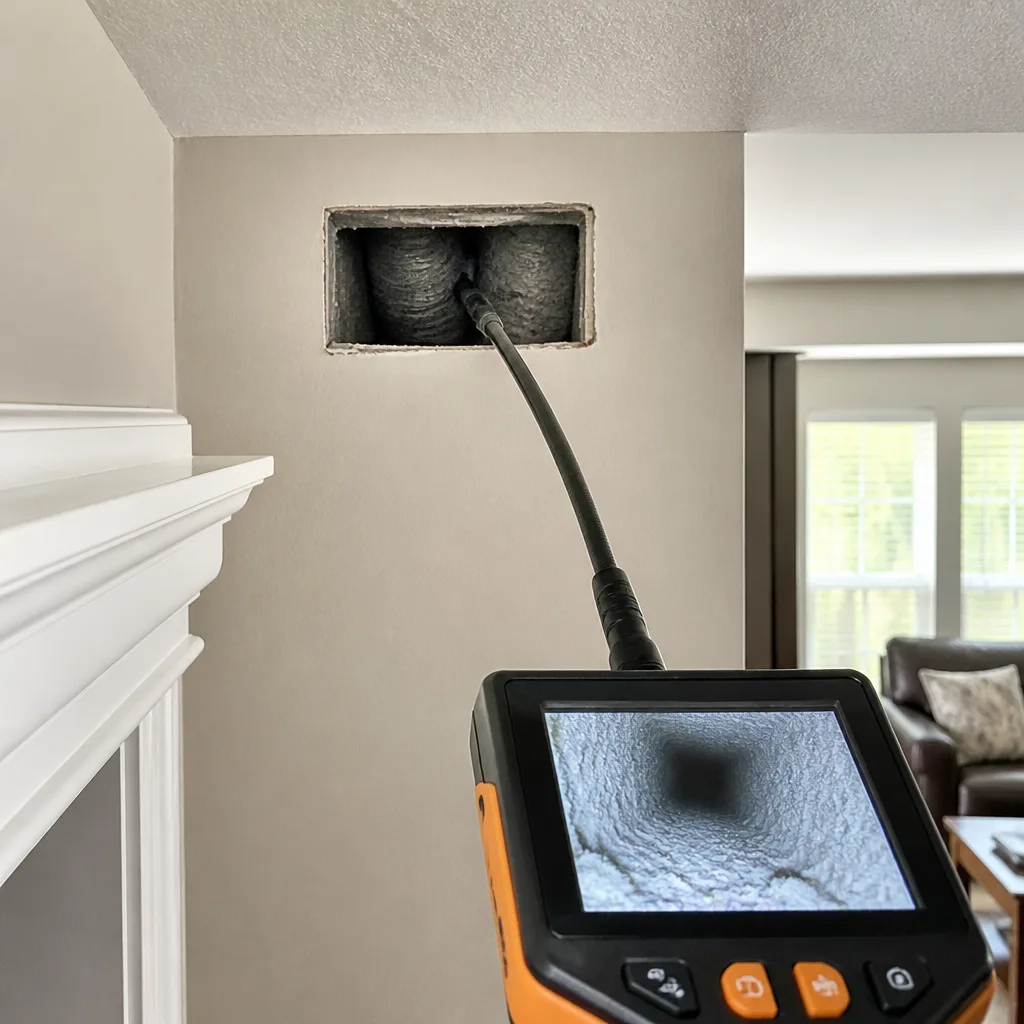 Camera inspection
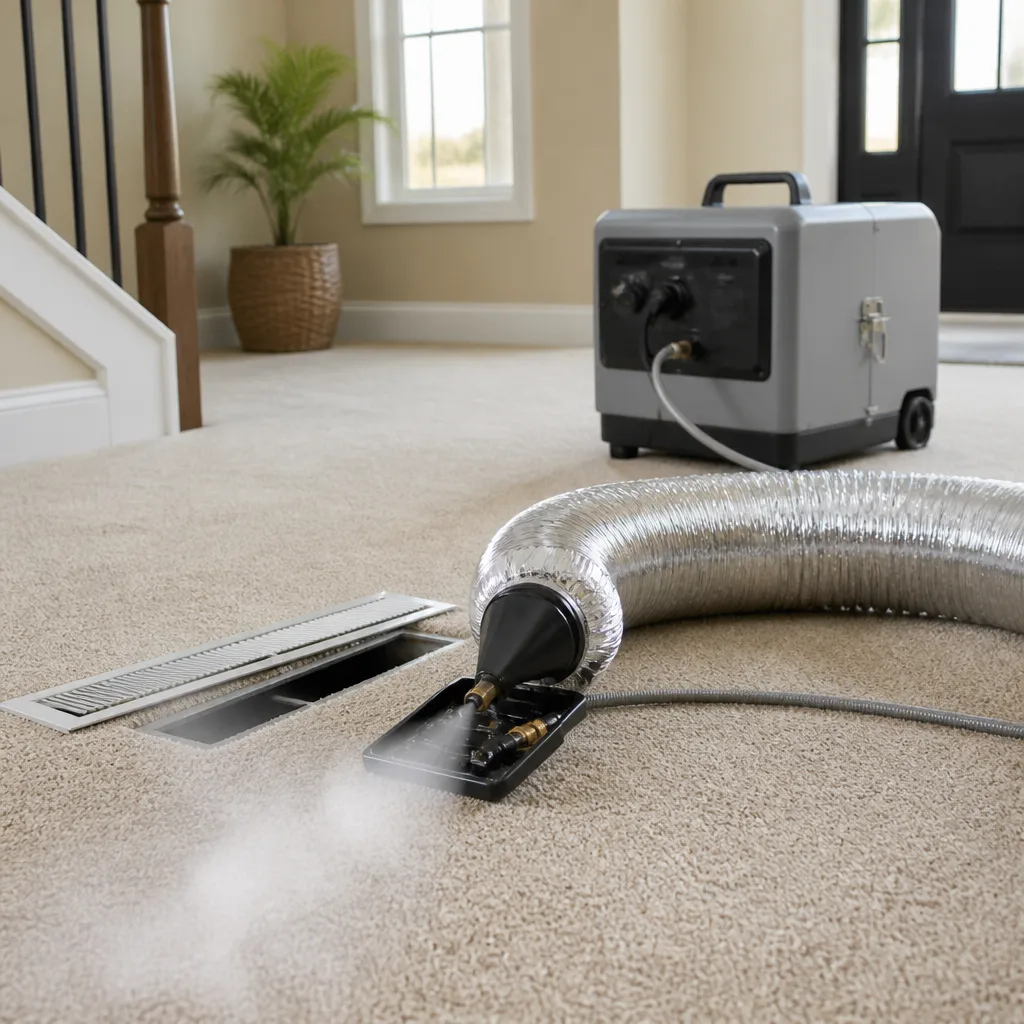 Sanitizing & deodorizing
Whole-system duct and dryer vent check with before-and-after photos - you see exactly what came out of your vents
That "$99 whole-house special" is a bait ad - the real number appears once they are in your hallway, or the "clean" is a shop-vac at the register. We photograph the inside of your ducts before and after instead.
The Complete Guide to Air Duct Cleaning in Indianapolis
Most Indianapolis homeowners think of duct cleaning as a box to check once and forget. That framing misses what actually happens inside a duct system in this city. Indianapolis sits in a climate with humid summers, heavy spring pollen, and a large share of housing built before 1980. Those three conditions together mean your ductwork collects a specific mix of debris, and it keeps collecting it. Cleaning is not a reset button you press once. It’s part of how you run the system.
This guide covers what accumulates in Indianapolis ducts, which equipment actually removes it, and what a finished job should look like so you can verify the work. We’ll also get into the parts of the duct ecosystem that most cleanings skip, including dryer vents, bath fans, and the flex connections behind your registers.
Quick Answer
Air duct cleaning in Indianapolis is a scheduled whole-system service that removes accumulated dust, pollen, mold spores, and debris from your supply and return ducts, then verifies the result with before-and-after photos and airflow checks. For most homes here, the right interval is every three to five years, sooner if you’ve had renovations, water intrusion, or original pre-1980 ductwork. The job is done with contact-based equipment like a Rotobrush brush system plus negative-pressure collection, not a shop vacuum and an air whip.
Styles & brands we work with
- Whole-home duct cleaning
- Dryer vent cleaning
- Camera inspection
- Sanitizing & deodorizing
Table of Contents
- Why Indianapolis Ductwork Collects More Than You Think
- What Actually Accumulates Inside Indianapolis Ducts
- Rotobrush vs. Nikro: What the Equipment Actually Does
- Pre-1980 Indianapolis Homes and Original Ductwork
- The Full Duct Ecosystem: Dryer Vents, Bath Fans, and Flex Connections
- How to Verify the Job Was Actually Done
- What Air Duct Cleaning Costs in Indianapolis
- How Often Indianapolis Homes Really Need This
Why Indianapolis Ductwork Collects More Than You Think
Indianapolis ranks among the top 20 worst U.S. cities for spring allergies, and your HVAC system recirculates whatever enters it roughly 5 to 7 times per day. That combination is the whole story. The air inside your home isn’t fresh air that passes through once. It’s the same air, cycled through the same ducts, over and over, picking up whatever the filter doesn’t catch.
Spring in central Indiana brings tree pollen, then grass pollen, in a compressed window. Your system pulls outdoor air in through returns, door gaps, and the fresh-air intake if you have one. The filter catches some of it. The rest settles on duct walls, where it stays until something physically dislodges it.
Summers here are humid, often sitting in the 70s and 80s percent relative humidity for weeks. That matters because dust mites and mold spores both need moisture to thrive. In a dry climate, dust in a duct is mostly inert. In Indianapolis, that same dust becomes a food source. The clay-heavy soil around the city holds moisture after rain, which keeps crawl spaces and slab foundations damp longer than homeowners expect. Damp foundations mean higher indoor humidity, and higher indoor humidity means duct debris stays biologically active.
Then there’s housing stock. Indianapolis has a large inventory of homes built between 1940 and 1980, many with original sheet metal or early flex ductwork. That’s not a knock on the homes. It’s just a different debris profile, which we cover below.
What Actually Accumulates Inside Indianapolis Ducts
The debris inside an Indianapolis duct system is rarely just dust. It’s a layered mix that depends on the home’s age, its moisture history, and what’s happened inside it. Here’s what we typically find, and why each layer matters.
- Settled dust and skin cells. The baseline. Every system has it. It accumulates on horizontal runs and at the bottom of vertical drops.
- Pollen and outdoor particulate. Higher in Indianapolis during the March-through-June window. Pollen is sticky and clings to duct walls rather than blowing through.
- Mold spores. Present in nearly all indoor air at low levels, but they settle and amplify in ducts when humidity stays elevated. The humid Indianapolis summer is the trigger.
- Dust mite debris. Dust mites need relative humidity above roughly 50 percent to reproduce. Indianapolis summers push indoor humidity into that range easily if the AC isn’t keeping up.
- Construction debris. Drywall dust, sawdust, and insulation fibers from renovations. This is one of the most common reasons homeowners call us.
- Insulation degradation. In older homes, the interior lining of ductwork can break down and shed fibers into the airstream.
- Pest intrusion evidence. Rodent droppings, nesting material, and insect casings. Common in pre-1980 Indianapolis homes where duct connections have loosened over time.
Each of these layers behaves differently. Pollen and dust respond well to brush contact. Mold spores and fine particulate need negative-pressure collection so they don’t get pushed back into the living space. Insulation fibers and pest debris require careful handling and, often, duct repair afterward. That’s why a single method doesn’t cover every home.
Rotobrush vs. Nikro: What the Equipment Actually Does
Most duct cleaning companies in Indianapolis run one of two setups: an air whip (a compressed-air nozzle that flails inside the duct) or a shop vacuum with a long hose. Neither is a professional duct cleaning system. They move loose dust. They don’t remove what’s bonded to duct walls. Here’s how the professional equipment differs.
Rotobrush: Contact-Based Cleaning
A Rotobrush system uses a rotating brush head on a flexible shaft that physically scrubs the interior surface of the duct. That contact matters. Dust, pollen, and mold film bond to duct walls, especially in humid climates. Air alone won’t lift them. The brush dislodges them so the collection system can capture them. Rotobrush works best on rigid sheet metal ductwork and on the trunk-and-branch layouts common in Indianapolis homes.
Nikro: Negative-Pressure Collection
Nikro HVAC equipment is built around high-volume negative pressure. The idea is to put the entire duct system under suction before cleaning starts, so when debris is dislodged, it’s pulled toward the collection unit instead of blowing into your living room. Negative pressure is what keeps a cleaning from becoming a redistribution. It’s also what makes the job safe for occupants who are sensitive to dust.
We run both systems together, and we use air duct cleaning equipment from Abatement Technologies for air filtration during the job. That’s the same category of filtration used in professional remediation, and it’s there to contain what gets dislodged rather than letting it settle on your furniture.
Which Duct Types Each Method Suits
- Rigid sheet metal: Rotobrush brush contact plus Nikro negative pressure. This is the ideal pairing.
- Flex duct: Lower-pressure brush contact with care, plus negative pressure. Flex duct can be damaged by aggressive brushing, so technique matters.
- Ductboard: Gentle contact and strong negative pressure, with a repair assessment afterward since ductboard degrades faster than metal.
Anyone who quotes you a price without asking what kind of ductwork you have is guessing. The method has to match the duct.
Pre-1980 Indianapolis Homes and Original Ductwork
Indianapolis has a substantial share of homes built before 1980, and many still have their original ductwork. That changes the debris profile in ways a newer home doesn’t face. It also changes what a cleaning needs to accomplish.
Original ductwork in these homes typically has three issues. First, the interior lining, whether it’s bare metal or an older insulation wrap, has had decades to degrade. Shedding insulation fibers into the airstream is common. Second, the seams and connections have loosened. Leaky ducts pull in air from crawl spaces, basements, and wall cavities, which means they pull in whatever is in those spaces. Third, the duct layout often includes runs through unconditioned space, which means condensation and moisture exposure.
- Assess the duct material first. Bare metal, wrapped metal, flex, and ductboard each need a different approach.
- Check the connections. Loose joints are where pest intrusion and unconditioned air enter. Sealing them matters as much as cleaning.
- Look at the insulation. If the interior lining is degrading, cleaning alone won’t stop the shedding. Repair is the fix.
- Photograph before and after. In older homes, the change is more dramatic and more worth documenting.
This is where Sentry Air Duct Cleaning‘s repair capability matters. A lot of duct cleaning companies can clean a system but can’t fix what the cleaning reveals. If we open a return and find a separated flex connection or a collapsed run, we can repair it in the same visit instead of referring you to a second contractor.
Our technicians have up to 13 years of experience working with older ductwork, which means the assessment is usually quick. The point is to clean what’s cleanable and repair what isn’t, not to sell a repair you don’t need.
The Full Duct Ecosystem: Dryer Vents, Bath Fans, and Flex Connections
Most duct cleaning stops at the supply and return runs. That leaves out three components that matter just as much for indoor air and household safety.
Dryer Vents
A clogged dryer vent is a fire hazard. Lint accumulates in the vent run, and the heat from the dryer can ignite it. This is one of the leading causes of residential fires, and it’s entirely preventable with periodic cleaning. We treat dryer vent cleaning as part of the same protective job, not an upsell. If we’re already in the house cleaning ducts, checking the dryer vent run is a small addition that addresses a real risk.
Bath Fans
Bath exhaust fans vent moisture out of the home. When the fan duct is clogged or the fan is undersized, moisture stays in the bathroom and migrates into the surrounding structure. In a humid Indianapolis summer, that’s a recipe for mold growth in the ceiling cavity. Cleaning the fan duct and checking that the fan actually moves air is part of a complete job.
Flex Duct Connections
Flex duct is common in Indianapolis homes, especially in attic runs and additions. The connections at each register and at the trunk are where leaks happen. A cleaning that stops at the register and doesn’t check the connection behind it will miss the biggest source of debris entry.
We also work with Honeywell and Aprilaire indoor air quality products. If a cleaning reveals that filtration is the weak point, upgrading the filter setup is a sensible next step. That’s the difference between a one-time cleaning and an ongoing indoor air strategy.
How to Verify the Job Was Actually Done
The real question with any duct cleaning is whether the work actually happened. The industry has a bait-and-switch reputation for a reason. Here’s what a verifiable job looks like, and what to ask for before you book.
- Before-and-after photos of your own ducts. Not stock photos, not a generic gallery. Photos of your supply runs, your return, and your trunk line, taken with the equipment running.
- Airflow readings. A simple measurement at the registers before and after the cleaning shows whether the system is moving air better. If the numbers don’t change, the job didn’t do much.
- Filter condition check. The filter should be inspected before and after. If it was loaded before the cleaning, it should be replaced. A cleaning with a clogged filter is a wasted visit.
- Debris collection. Ask where the debris goes. A professional setup collects it in a sealed unit. If the answer is vague, that’s a signal.
- Inspection of the connections. A complete job checks the flex connections and duct seams, not just the interior of the runs.
One flat price per system, agreed before work starts, is the other half of the trust equation. Per-vent pricing and teaser coupons are how the low-quote-to-high-invoice pattern starts. We quote a flat price per system and hold to it.
What Air Duct Cleaning Costs in Indianapolis
Air duct cleaning in Indianapolis typically costs between $400 and $800 for a standard single-family home, with larger homes and complex systems running higher. The final price is set by the written estimate, which accounts for the number of systems, duct type, accessibility, and whether repairs are needed. Here’s how the line items break down.
- Standard whole-home cleaning (1 system, up to roughly 15 registers): typically $400 to $600.
- Larger home or two-system setup: typically $600 to $900.
- Pre-1980 home with original ductwork and elevated debris: typically $550 to $900, depending on what’s found.
- Dryer vent cleaning added to a duct job: typically $100 to $175.
- Air duct repair (sealing, flex connection fixes): quoted per issue after inspection.
These are estimates, not fixed prices. The written estimate sets the final number, and it’s free. A few things push the price up: multiple AC systems, ductwork in tight attic spaces, ductboard that needs gentle handling, and any repair the cleaning reveals. A few things push it down: a clean system with good access and a filter that’s been maintained.
If a quote comes in far below these ranges, ask what equipment is being used and whether the price covers the whole system or just the visible runs. The gap between a $200 quote and a $600 job is usually the difference between an air whip and a brush-contact system with negative-pressure collection.
How Often Indianapolis Homes Really Need This
For most Indianapolis homes, every three to five years is the right interval. That’s sooner than the generic “every five to seven years” advice you’ll read elsewhere, and the reason is the combination of humid summers, high pollen, and older housing stock covered above. Homes with pets, allergy sufferers, recent renovations, or original pre-1980 ductwork should lean toward the three-year end. Homes with newer construction, good filtration, and no pets can stretch toward five.
There are triggers that override the calendar entirely:
- You’ve finished a renovation that produced drywall dust or sawdust.
- You’ve had water intrusion, a roof leak, or a damp crawl space.
- You notice visible dust blowing from registers after the system starts.
- Your filter is loading faster than it used to.
- You’ve had pest activity in the attic or crawl space.
- Your dryer is taking longer to dry clothes, which points at the vent.
When one of those triggers shows up, schedule the cleaning. Waiting for the calendar to catch up just gives the debris more time to bond.
Common Mistakes to Avoid
- Hiring on price alone. A quote that’s half the going rate usually means an air whip and a shop vac. Ask what equipment is being used before you book.
- Skipping the dryer vent. A clogged dryer vent is a fire hazard, and it’s the most common thing homeowners forget when they book a duct cleaning. Get it done in the same visit.
- Cleaning without repairing. If the cleaning reveals a separated flex connection or degraded ductboard, cleaning again without repairing just repeats the problem. Ask whether the company can do the repair.
- Ignoring the filter. A cleaning with a clogged filter is wasted money. Replace the filter the same day.
- Not asking for photos. Without before-and-after photos of your own ducts, you have no way to know the work was done. Ask up front.
- Assuming newer homes are exempt. Newer Indianapolis construction often has tighter ductwork but also flex runs in attics that can be kinked or disconnected. Age isn’t the only factor.
- Treating it as a one-time event. Dust, pollen, and humidity don’t stop after one cleaning. Plan the next interval when you book the first.
See the difference
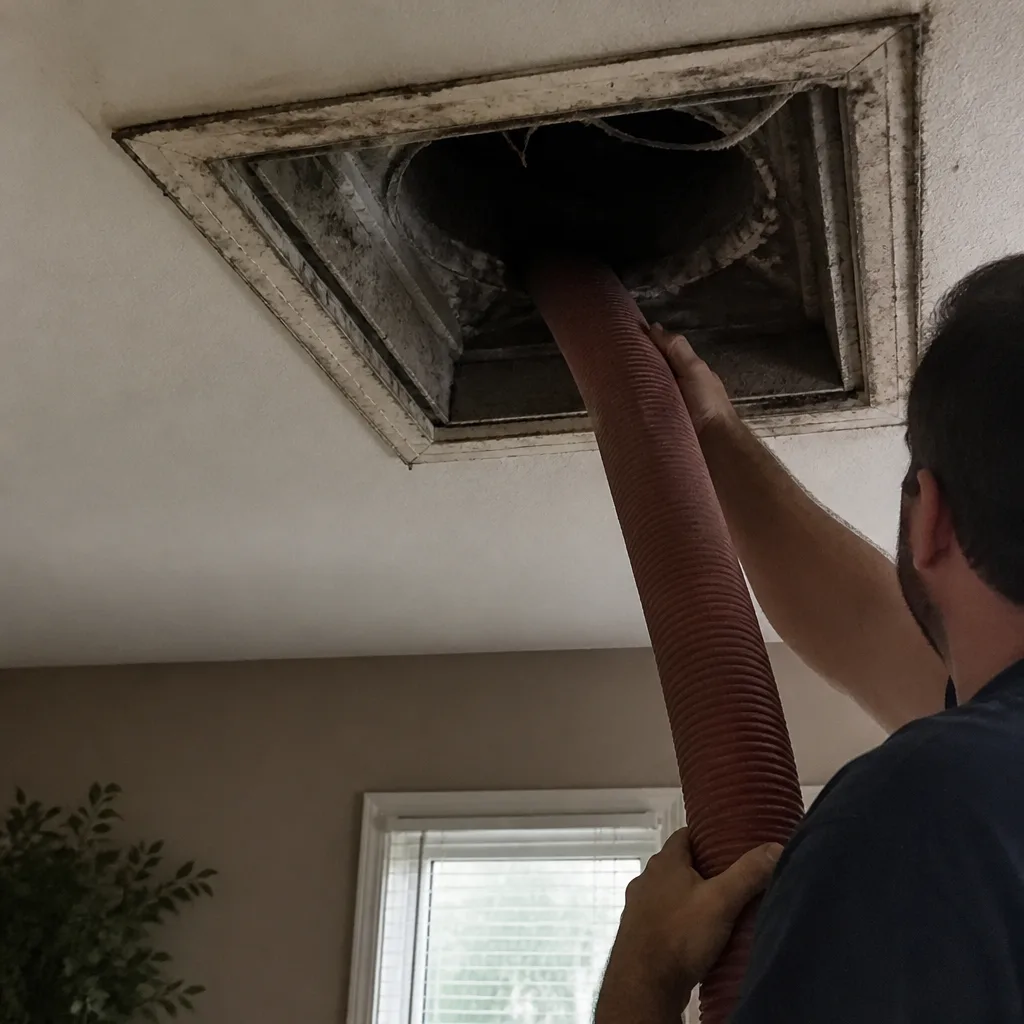 Before
 After
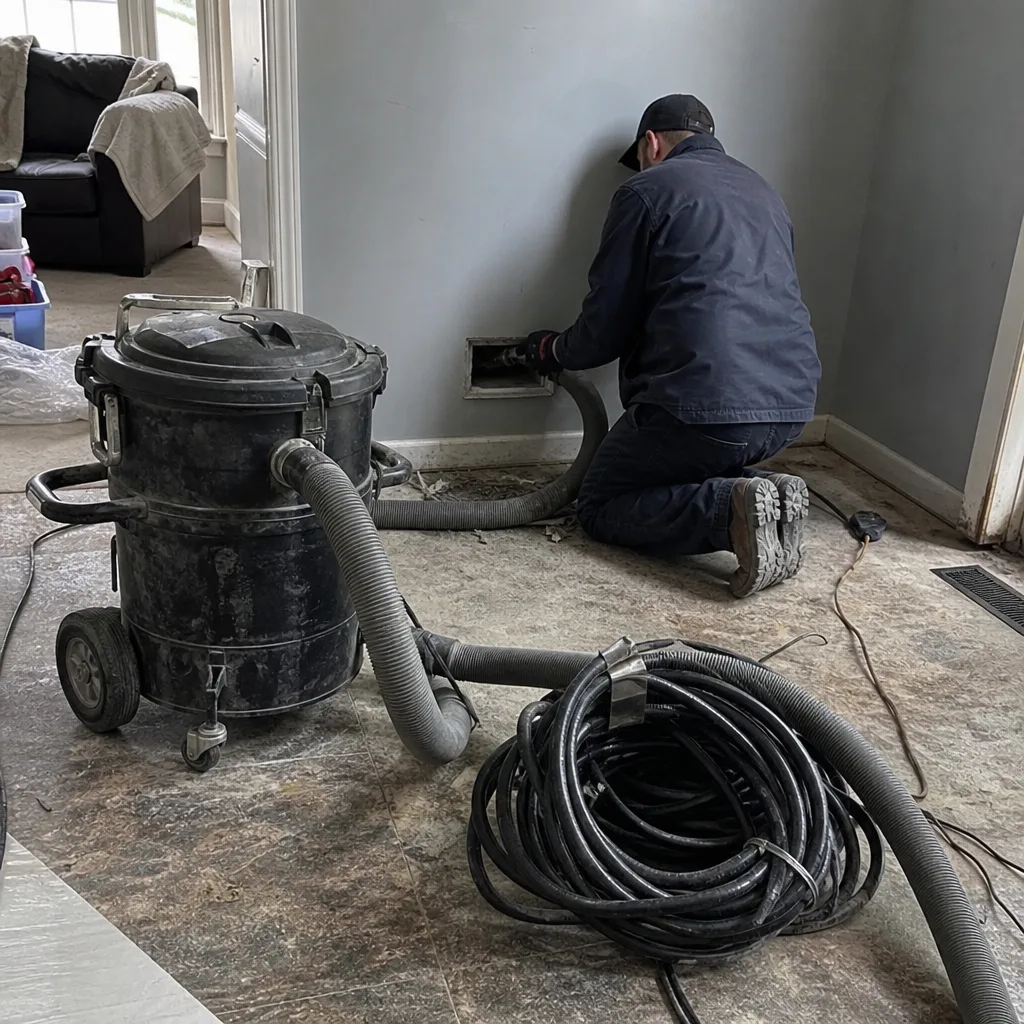 Before
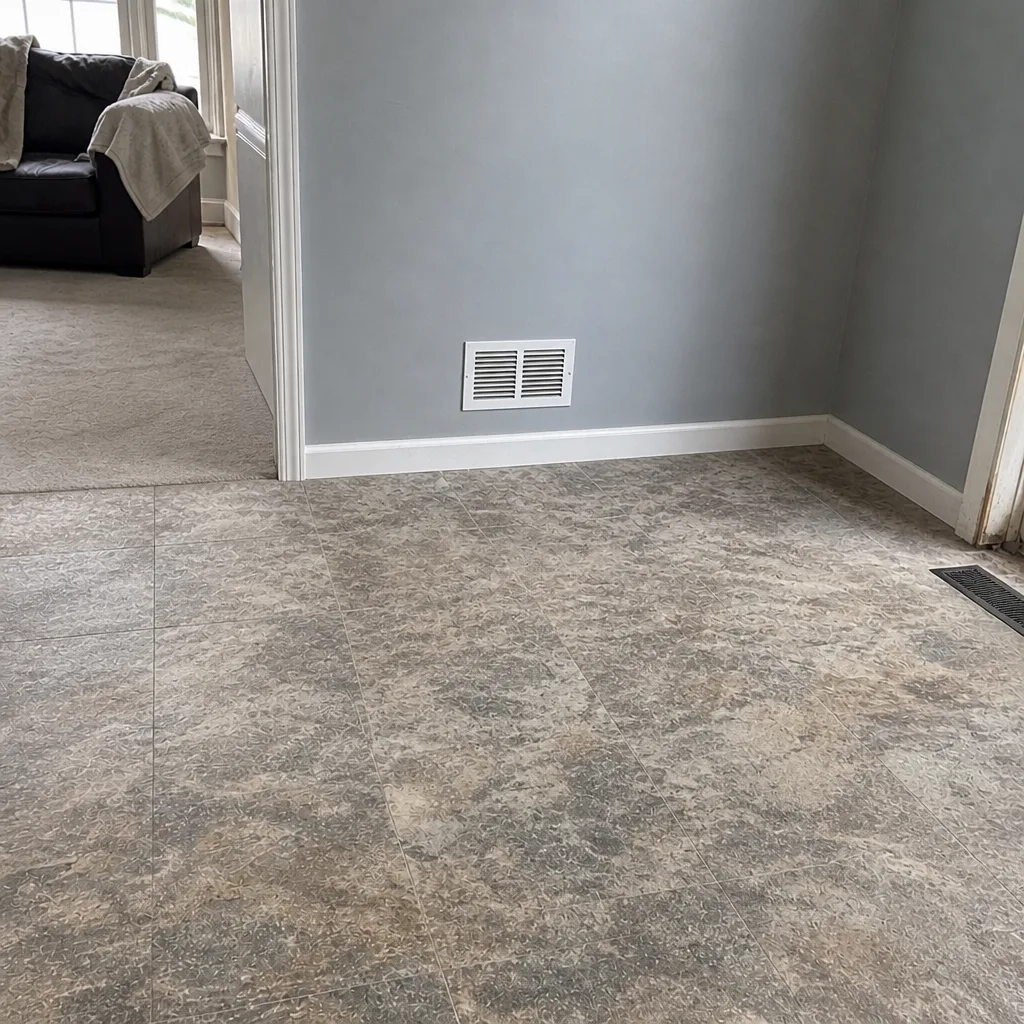 After
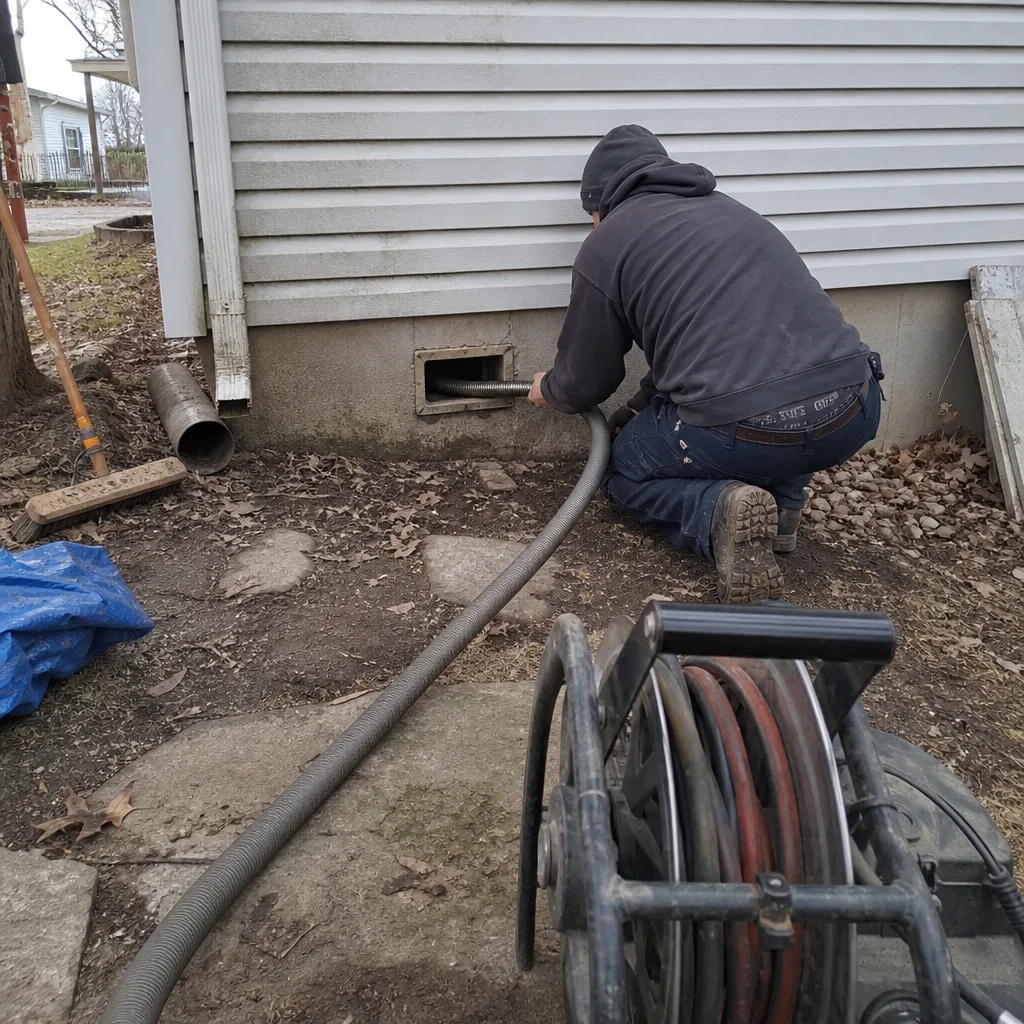 Before
 After
When to Call a Professional
Some duct work is a judgment call. Some isn’t. Call a professional when you see visible dust blowing from the registers after the system starts, when your filter is loading faster than it used to, or when a renovation has left drywall dust in the system. Call when you’ve had water intrusion, a roof leak, or a damp crawl space, since those are the conditions that turn settled dust into mold growth. Call when your dryer is taking longer to dry clothes, or when you notice a musty smell that doesn’t go away.
Call when your home has original pre-1980 ductwork and has never been cleaned, or when you’ve had pest activity in the attic or crawl space. Those are the jobs where the debris profile is heaviest and where a repair may be needed alongside the cleaning.
Sentry Air Duct Cleaning offers free estimates in Indianapolis. Call (888) 382-8408. We answer 24/7. Fast dispatch from 7am to 7pm, Sunday through Friday. If you’d rather see how the job works first, we’re happy to walk you through what we’ll do before you decide.
Frequently Asked Questions
Air duct cleaning in Indianapolis typically costs $400 to $800 for a standard single-family home, with larger or older homes running up to about $900 and dryer vent cleaning adding roughly $100 to $175. The written estimate sets the final price, and it’s free. Call (888) 382-8408 for an exact quote.
Low quotes usually mean air-whip equipment and a shop vac rather than brush-contact cleaning with negative-pressure collection. The lower price often doesn’t cover the whole system, only the visible runs, and it may leave debris bonded to the duct walls. Ask what equipment will be used and whether the price is per system or per vent before you book. Call (888) 382-8408 to compare what a whole-system quote includes.
Ask for before-and-after photos of your own ducts, airflow readings at the registers, and a filter condition check. A professional job collects dislodged debris in a sealed unit rather than letting it settle in the home. One flat price per system, agreed before work starts, is the other safeguard. Call (888) 382-8408 for a free estimate.
Every three to five years for most Indianapolis homes, sooner if you have pets, allergies, recent renovations, or original pre-1980 ductwork. The humid summers and heavy spring pollen here push the interval shorter than in drier climates. If your filter is loading faster than usual, that’s a sign to schedule sooner. Call (888) 382-8408 to book an assessment.
Yes, with the right technique. Older ductwork, especially flex and ductboard, needs gentler brush contact and careful negative pressure. If the cleaning reveals degraded insulation, separated connections, or pest intrusion, we can repair the ductwork in the same visit rather than referring you elsewhere. Call (888) 382-8408 for a free estimate.
It can, because it removes the pollen, dust, and mold spores that settle in the duct system and get recirculated. Indianapolis ranks among the top 20 worst U.S. cities for spring allergies, and the system cycles indoor air roughly 5 to 7 times per day. Cleaning doesn’t replace filtration, but it removes the reservoir. Call (888) 382-8408 to schedule.
The Bottom Line
Air duct cleaning in Indianapolis isn’t a one-time checkbox. The humid summers, heavy spring pollen, and pre-1980 housing stock create a debris profile that keeps coming back. The right approach is a whole-system job with brush-contact cleaning and negative-pressure collection, a repair capability if the cleaning reveals a problem, and dryer vent cleaning treated as part of the same protective job. Verify the work with before-and-after photos and airflow readings, and set the next interval when you book. If a quote looks too cheap, ask what equipment is being used. The answer is usually the whole story.
Written by the team at Sentry Air Duct Cleaning.