
Last updated November 16, 2026
 Whole-home duct cleaning
 Dryer vent cleaning
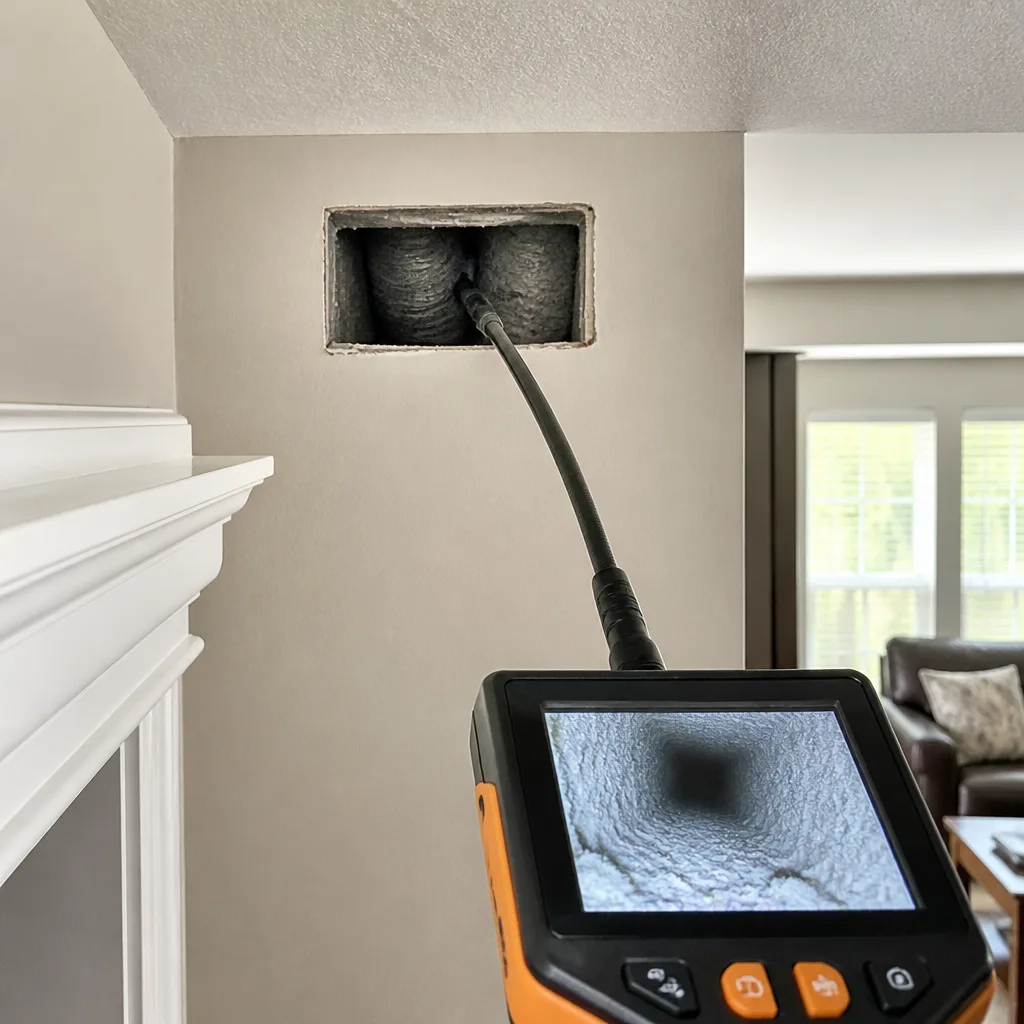 Camera inspection
 Sanitizing & deodorizing
Whole-system duct and dryer vent check with before-and-after photos - you see exactly what came out of your vents
That "$99 whole-house special" is a bait ad - the real number appears once they are in your hallway, or the "clean" is a shop-vac at the register. We photograph the inside of your ducts before and after instead.
Air Duct Cleaning Permits, Codes & Inspections in Indianapolis, IN: What You Need to Know
Here’s the part that surprises most homeowners: air duct cleaning itself is not a permitted activity in Indianapolis. No inspector signs off on a dirty duct being vacuumed. But the moment a technician cuts a new opening in your ductwork, reroutes a dryer vent, or changes a mechanical connection, the job may stop being “cleaning” and start being “construction” – and that’s where Indiana’s mechanical codes and Marion County inspection rules come in. The line between the two isn’t obvious, and the homeowner usually carries the consequences if it’s crossed without a permit. This guide explains where that line sits, what to document, and how to check a contractor before any duct work begins.
Quick Answer
Standard air duct cleaning in Indianapolis does not require a permit. Duct repair, modification, new access panel cuts, and dryer vent rerouting may require a permit and inspection under Indiana mechanical code and Marion County building rules, depending on the scope of the work. Always ask the contractor directly whether they’re treating a repair as permitted work, and confirm their registration status with the state before structural duct changes begin.
Styles & brands we work with
- Whole-home duct cleaning
- Dryer vent cleaning
- Camera inspection
- Sanitizing & deodorizing
Table of Contents
- Cleaning vs. Duct Work: Where the Line Sits
- What Indiana Mechanical Code Says About Duct Modifications
- Access Panels: The Most Common Gray Area
- When Dryer Vent Work Crosses Into Permitted Territory
- How to Verify a Contractor in Indianapolis
- What to Document for Resale and Inspection
- What an Inspection Actually Looks Like
Cleaning vs. Duct Work: Where the Line Sits
The distinction sounds simple until you’re standing in a crawlspace watching someone with a reciprocating saw. Cleaning is maintenance. Duct work is construction. Indianapolis draws that line more cleanly than most homeowners expect, and it matters because only one of them triggers permits and inspections.
Pure cleaning involves removing debris from inside the existing duct system without altering its structure or connections. Professional cleaning with a Sentry Air Duct Cleaning setup, for instance, runs a Rotobrush brush-contact system through the existing runs, dislodges debris from duct walls, and removes it under negative pressure with Nikro HVAC equipment. Nothing is cut. Nothing is rerouted. No permit is involved because nothing structural changes.
Duct work is different. It includes things like:
- Cutting a new access panel into rigid ductwork
- Adding, removing, or relocating a duct run
- Changing a connection at the air handler or plenum
- Sealing or modifying a return air pathway
- Rerouting, extending, or shortening a dryer vent
- Replacing flexible duct sections with rigid, or vice versa
Each of these is a mechanical alteration. Under Indiana’s mechanical code, alterations to a duct system generally require a permit from the local building authority, and in Indianapolis that authority is the Department of Business and Neighborhood Services. Whether a specific repair crosses the threshold depends on scope, and that’s exactly why you should ask the contractor to state their position in writing before work starts.
What Indiana Mechanical Code Says About Duct Modifications
Indiana adopts the International Mechanical Code with state amendments, and Marion County adds its own layer of permitting procedures on top. The mechanical code treats duct systems as part of the building’s mechanical infrastructure. That means replacement, extension, alteration, and new installation of ductwork are all generally permit-required activities, while routine maintenance and cleaning of an existing system are not.
What counts as maintenance in Indianapolis practice:
- Vacuuming and brushing existing duct interiors
- Sanitizing or deodorizing with approved products
- Replacing a filter or cleaning a blower compartment
- Inspecting ducts with a camera without cutting into them
What typically counts as alteration:
- Cutting a new access opening into duct board, sheet metal, or flex duct
- Splicing in a new section of duct to reach a renovated room
- Rerouting a dryer vent through a different wall or to a new exterior termination
- Changing the size or configuration of a trunk line
This is not a place to guess. If a contractor tells you a repair is “just maintenance,” ask them to describe in writing what they’re changing. If the answer involves cutting, splicing, or relocating anything, call the city’s permit office and ask. A five-minute phone call before the work is cheaper than a failed inspection after.
Access Panels: The Most Common Gray Area
Access panels are the single most misunderstood piece of the whole question. Many homes in Indianapolis, especially older ones in neighborhoods like Irvington, Broad Ripple, and Fountain Square, have duct systems with so few access points that a proper cleaning can’t reach the whole run. A technician who wants to do the job right may suggest cutting a new panel.
Here is what a new access panel involves:
- Locating a spot on the duct run that provides useful reach without weakening the structure.
- Cutting an opening in the duct wall with a saw or snips.
- Framing or reinforcing the cut edge.
- Installing a gasketed, removable cover that seals tightly.
- Sealing the surrounding seams to prevent air leakage.
That’s not cleaning. That’s a mechanical modification. In Indianapolis, an access panel cut into a duct system is generally a permit-triggering alteration because it changes the mechanical system’s envelope. Some contractors treat it strictly as cleaning and skip the permit; others pull one. The gap between those practices is where homeowners get caught at resale, when an inspector notes an unpermitted modification and asks who did it.
Our approach: any company worth hiring should be willing to state in writing whether a given access panel is a permitted alteration under their interpretation. If they can’t or won’t, that’s your signal to find someone who can. Indianapolis homeowners deal with enough at closing without inheriting a paperwork problem from a contractor who cut corners.
When Dryer Vent Work Crosses Into Permitted Territory
Dryer vent cleaning protects your home from a genuine fire hazard. A clogged dryer vent is one of the leading causes of residential fires, and we treat it as safety work, not efficiency work. But there’s an important split between cleaning an existing vent and changing where it goes.
Cleaning an existing dryer vent run – the full length from the dryer outlet to the exterior termination – is maintenance. No permit. No inspection. It involves pulling accumulated lint out of the run with brushes and air tools and confirming the exterior damper operates properly.
Rerouting or extending a dryer vent is a different job:
- Moving the point where the vent exits the wall
- Adding length to reach a better exterior location
- Replacing flexible foil duct with rigid or semi-rigid metal
- Changing the exterior termination or damper style
- Routing the vent through a different wall assembly
Each of these changes the building’s mechanical exhaust path, and in Marion County that generally requires a permit and inspection. The reason isn’t bureaucracy. A dryer vent rerouted badly can terminate too close to an operable window, dump into an attic, or add enough length that lint backs up faster than it should. Those are code concerns, and a permitted inspection is the check that catches them.
If a contractor proposes to reroute your dryer vent, ask them point-blank: are you pulling a permit for this? A straight answer tells you everything about how they operate.
How to Verify a Contractor in Indianapolis
Before any structural duct work begins on your home, verify the contractor. Indiana maintains a contractor registration system, and Marion County’s permitting office keeps a record of permit history tied to individual contractors. Both are public. Use them.
Here’s the verification sequence we recommend:
- Ask for the contractor’s Indiana registration. Any company doing duct work should be able to tell you their registration status without hesitation.
- Look them up in the state registry. Confirm registration is active and current, not expired.
- Ask about insurance and bonding. A legitimate operator is insured and bonded. Ask for proof, not a verbal confirmation.
- Check permit history in Marion County. If the contractor claims to pull permits routinely, a permit record should support that claim.
- Ask what equipment they use. Professional-grade tooling matters here: Rotobrush brush-contact systems and Nikro HVAC equipment are purpose-built for duct interiors, unlike shop vacuums or air-whip-only rigs. We also use Abatement Technologies filtration to contain dislodged particulates during the job.
- Confirm the scope in writing. The written estimate should say clearly whether permits are included, and if the work is alteration, that answer should be yes.
This matters because unpermitted duct work isn’t just a code problem. It’s a resale problem. Any future home inspection that flags work without a permit becomes your problem as the owner, not the contractor’s.
What to Document for Resale and Inspection
If you ever sell your Indianapolis home, the buyer’s inspector will look at your mechanicals. If there’s a new access panel or a rerouted dryer vent, they’ll ask when it was done and whether it was permitted. The homeowners who sail through that conversation are the ones who kept records.
What to keep:
- Before-and-after photos. Ask the contractor for photos of the duct interiors showing the condition before and after cleaning. This is how you confirm the work was actually done.
- A written scope description. Not a coupon price, not a verbal estimate – a written description of what was cleaned or altered, room by room.
- Contractor credentials. Registration, insurance documentation, and a contact line in case a question surfaces later.
- Permit numbers and inspection results if any alteration work was done. The permit record itself is the strongest proof.
- The written estimate with pricing. Keep it filed with your home maintenance records.
This is also the part where the industry’s bait-and-switch reputation bites. A company that quoted a low teaser price on the phone and blew up the invoice on site rarely produces good documentation. Ask upfront for one flat price per system, agreed before work starts, with before-and-after photos of your own ducts as part of the deliverable. If the company can’t promise that in writing, don’t hire them.
What an Inspection Actually Looks Like
Most Indianapolis homeowners have never seen a mechanical inspection and don’t know what triggers one. Here’s how it works in practice.
When a permit is pulled for duct modification or dryer vent rerouting, a Marion County inspector reviews the work at specific stages. For duct alterations, that typically means inspecting the completed installation before the system is closed up or covered. For dryer vent work, inspections focus on termination location, clearances, and duct material type.
What the inspector checks:
- Duct material matches what the code allows for the application
- Connections are sealed properly
- Support and clearances are correct
- Exhaust terminations are in compliant locations
- The overall installation matches the permitted scope
If the work fails, the contractor corrects and re-inspects. That’s the point of the system. A permitted job has a paper trail. An unpermitted one relies entirely on the honesty of whoever did the work, which is not a document you can hand a home inspector five years later.
If a contractor tells you they “don’t bother with permits for this,” consider what else they might be skipping. The same company that shortcuts the paperwork may shortcuts the cleaning depth, the seal, or the verification. That’s not a tradeoff worth making on the indoor air your family breathes.
Common Mistakes to Avoid
- Assuming all duct work is permit-free because cleaning is. Cleaning requires no permit; duct repair and modification generally do. If the scope involves cutting or splicing, ask about permits.
- Letting a new access panel go in without asking how it’s being treated. A cut access panel is a mechanical alteration. Get the contractor’s position in writing before the saw comes out.
- Hiring based on a phone quote alone. A price given over the phone without seeing the duct system means nothing. Demand a written estimate with a scope description, then compare.
- Skipping the registration check. Indiana maintains a contractor registry for exactly this reason. Look the company up before any structural duct work begins.
- Not documenting the job. Photos, scope descriptions, and permit numbers protect you at resale. Ask for them upfront as part of the deliverable.
- Letting a dryer vent get rerouted under the radar. Marion County generally requires permits for vent rerouting and extension. If a contractor proposes one, ask who’s pulling the permit.
- Confusing a low teaser price with a real quote. The industry’s bait-and-switch reputation isn’t imagined. The written estimate, not the phone number, is what the final price should match.
See the difference
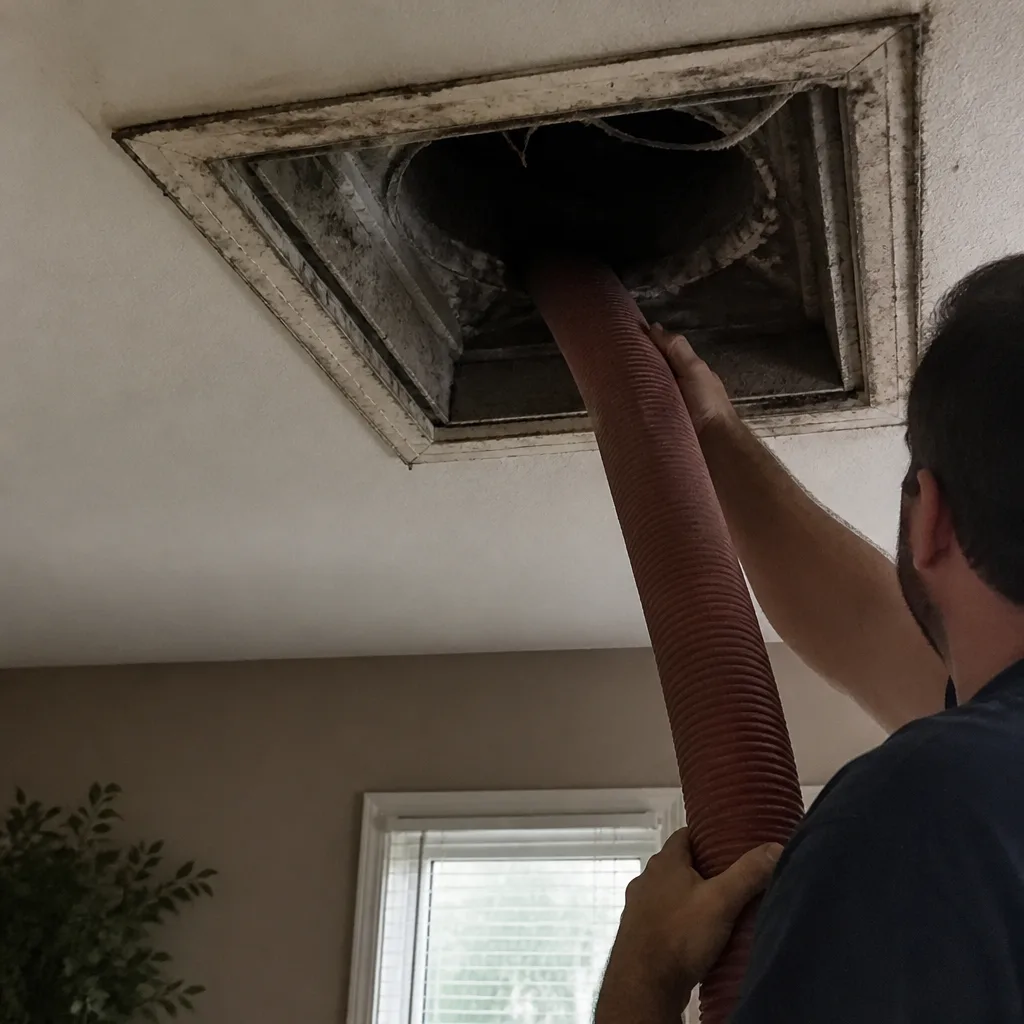 Before
 After
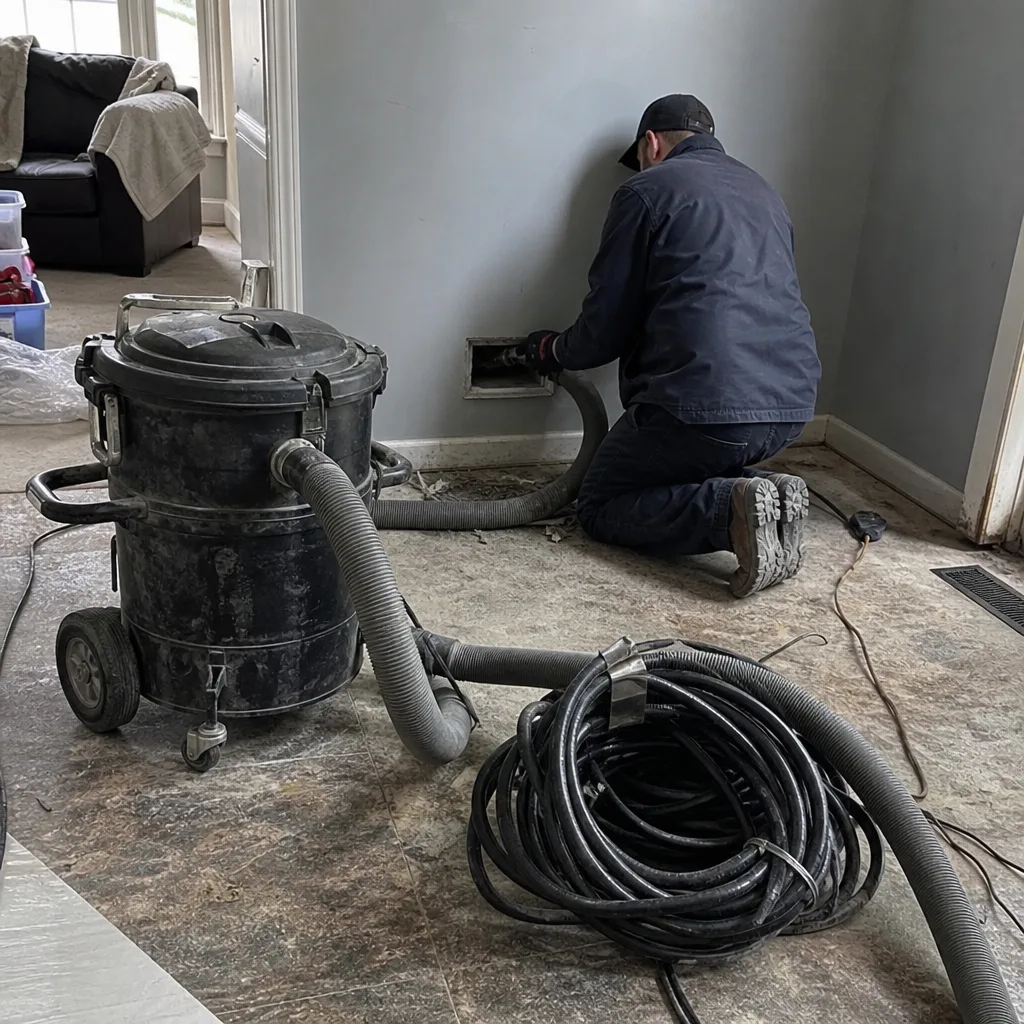 Before
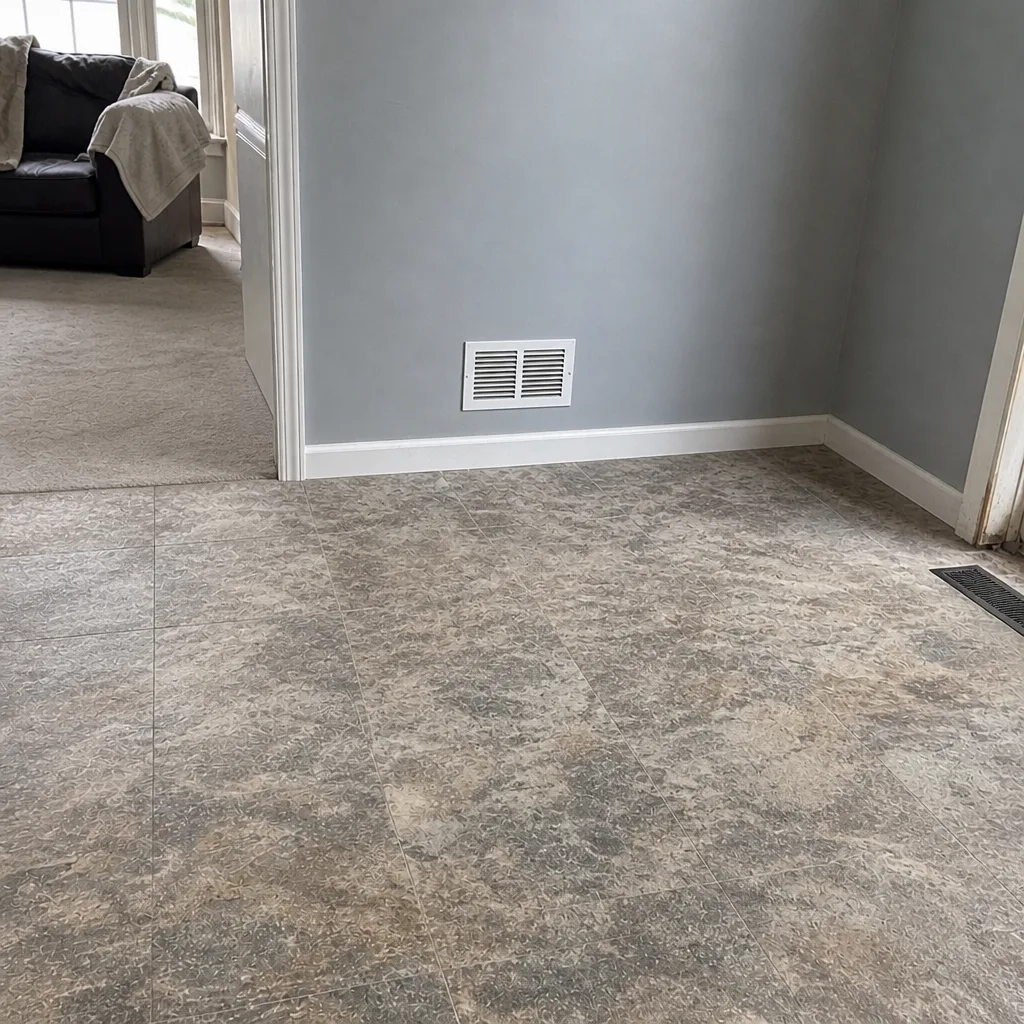 After
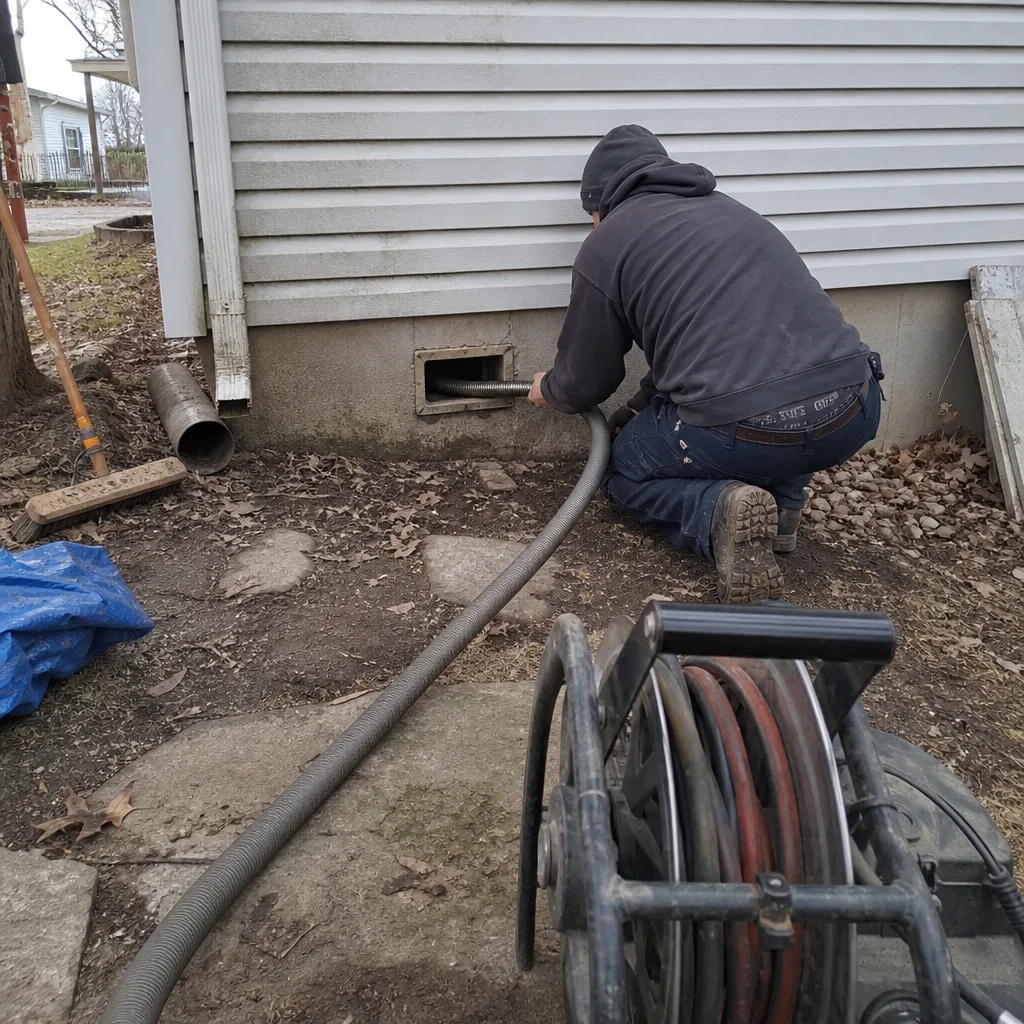 Before
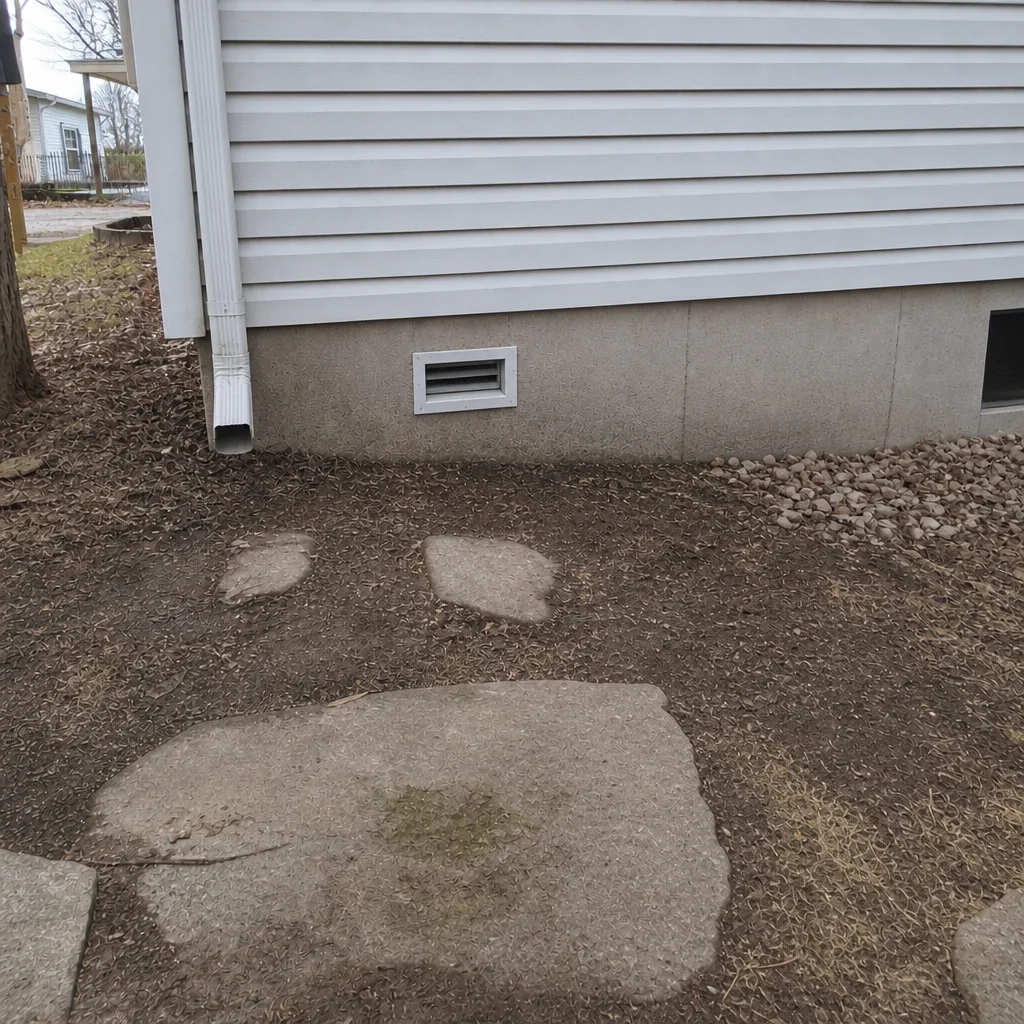 After
When to Call a Professional
If you’re seeing visible debris blow out of a register when the furnace kicks on, if your duct system has never been cleaned and the home is older, if you’ve just finished a major renovation, or if your dryer takes two cycles to dry a load, those are all signs worth a professional look. If a home inspection or a permit office has raised questions about a duct modification, get a second opinion from a contractor who understands the code picture.
Sentry Air Duct Cleaning offers free estimates in Indianapolis – call (888) 382-8408. We answer 24/7, and fast dispatch runs 7am-7pm, Sunday through Friday. Every job runs on Rotobrush brush-contact cleaning and Nikro HVAC equipment, with Abatement Technologies filtration used throughout to contain dislodged particulates. Our technicians have up to 13 years of experience, we’re licensed and insured, and we quote one flat price per system agreed before work starts, with before-and-after photos of your ducts as part of the record.
Frequently Asked Questions
No. Standard air duct cleaning does not require a permit in Indianapolis because nothing structural is changed. Duct repair, modification, new access panels, and dryer vent rerouting may require a permit and inspection under Indiana mechanical code and Marion County rules. Call (888) 382-8408 for a free estimate and a clear answer on what your job involves.
That depends on how the contractor interprets the scope, and it’s a question you should ask directly before the work starts. A new access panel cut into rigid ductwork is generally treated as a mechanical alteration, which is a permit-triggering change in Marion County. Get the contractor’s position in writing. Call (888) 382-8408 if you want an honest read on your situation.
Usually because the low price is a teaser that gets replaced by a larger invoice once the technician is on site, or because the work is shallow: an air-whip pass rather than brush-contact cleaning. We quote one flat price per system, agreed before work starts, and include before-and-after photos of your ducts. Call (888) 382-8408 for the real number.
Most homes in Indianapolis benefit from cleaning every few years, more often if there’s heavy shedding pets, recent renovation dust, or a family member with allergies. Homes with older ductwork or evidence of past pest activity may need it sooner. The right answer depends on your system. Call (888) 382-8408 to talk through your situation.
Cleaning an existing dryer vent run does not require a permit. Rerouting, extending, or changing the termination of a dryer vent generally does, because it alters the mechanical exhaust path of the home. If a contractor proposes rerouting, ask who pulls the permit. Call (888) 382-8408 for a free estimate on dryer vent cleaning.
Ask for before-and-after photos of your own ducts, a written scope of what was cleaned, and documentation of any permits pulled. If any of those are missing, the work is hard to verify later. We include photos as a standard part of the record. Call (888) 382-8408 to schedule your free estimate.
The Bottom Line
Air duct cleaning in Indianapolis doesn’t need a permit. Duct modification, repair, new access panels, and dryer vent rerouting often do, and the gap between “cleaning” and “duct work” is where homeowners wind up with surprises at resale. The practical protection: ask any contractor in writing how they’re treating the job, verify their registration with the state before work begins, and keep photos, a written scope, and permit records on file. If a company can’t be clear about whether their scope triggers a Marion County permit, that’s the answer to whether you should hire them.
We offer air duct cleaning, dryer vent cleaning, and air duct repair as three connected services, so a cleaning that reveals a compromised run doesn’t turn into a second contractor search. We use Rotobrush and Nikro equipment, we work with Honeywell and Aprilaire indoor air quality products, and we quote one flat price per system agreed before work starts. If your ducts need repair, we can fix them; that’s a capability many cleaning companies simply don’t have.
Call (888) 382-8408 for a free estimate. We answer 24/7. Fast dispatch from 7am to 7pm, Sunday through Friday. If you’re weighing your options, we’re glad to walk you through what your specific duct system likely needs and where the permit line sits for your job.
Written by the team at Sentry Air Duct Cleaning.