
Last updated November 16, 2026
 Whole-home duct cleaning
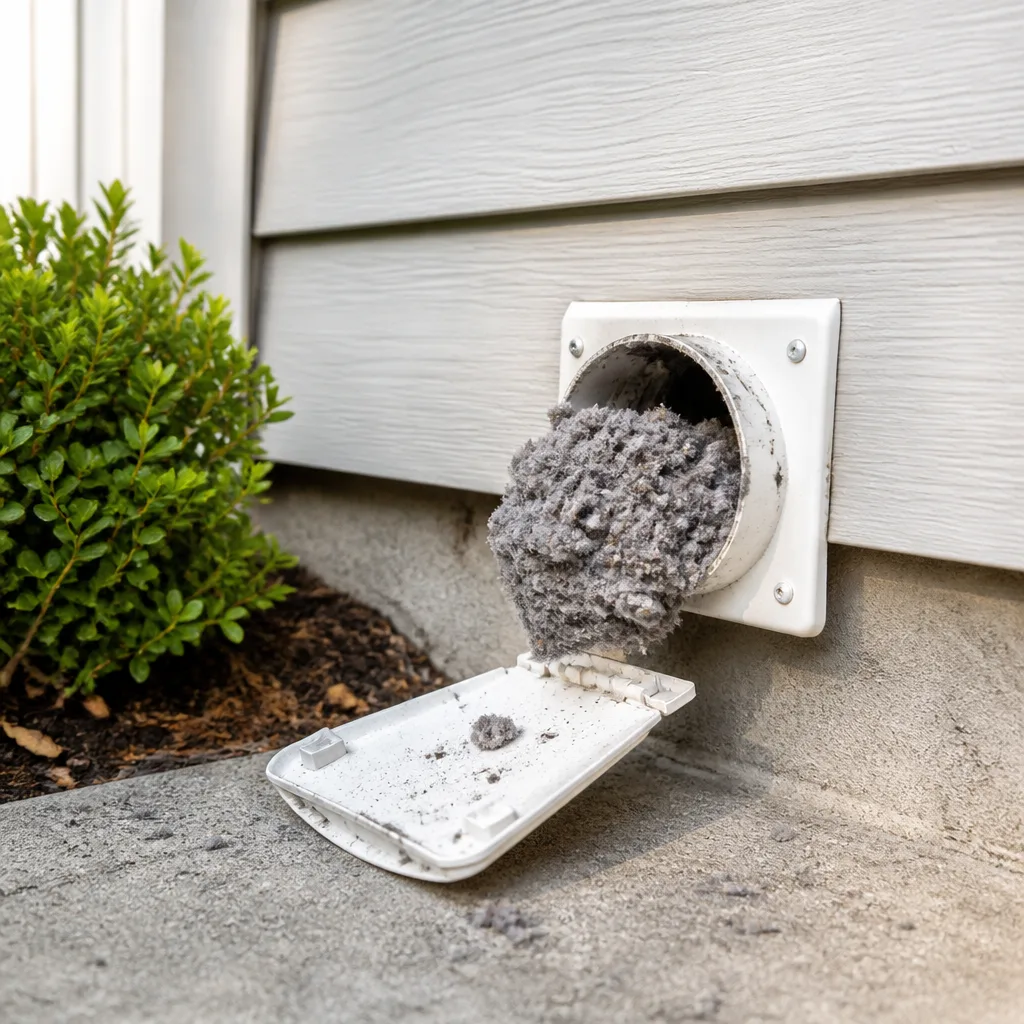 Dryer vent cleaning
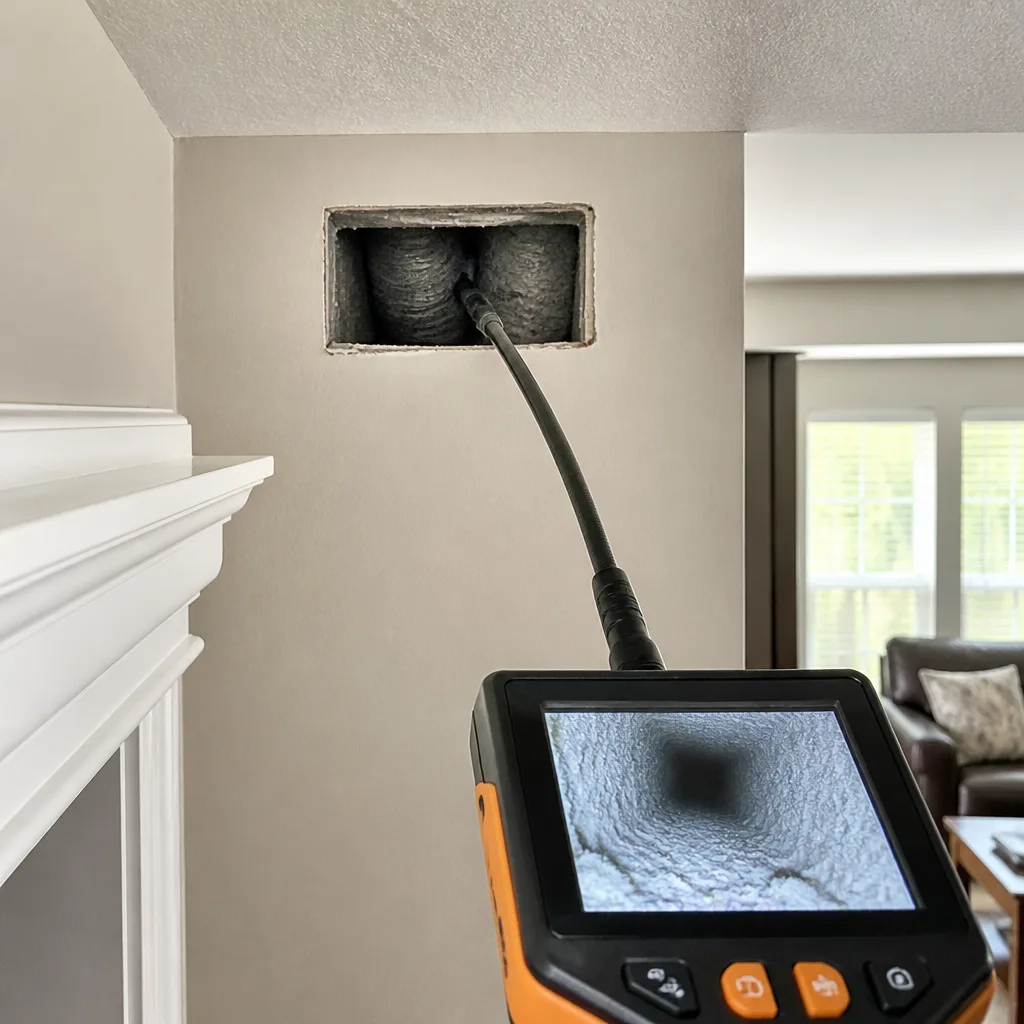 Camera inspection
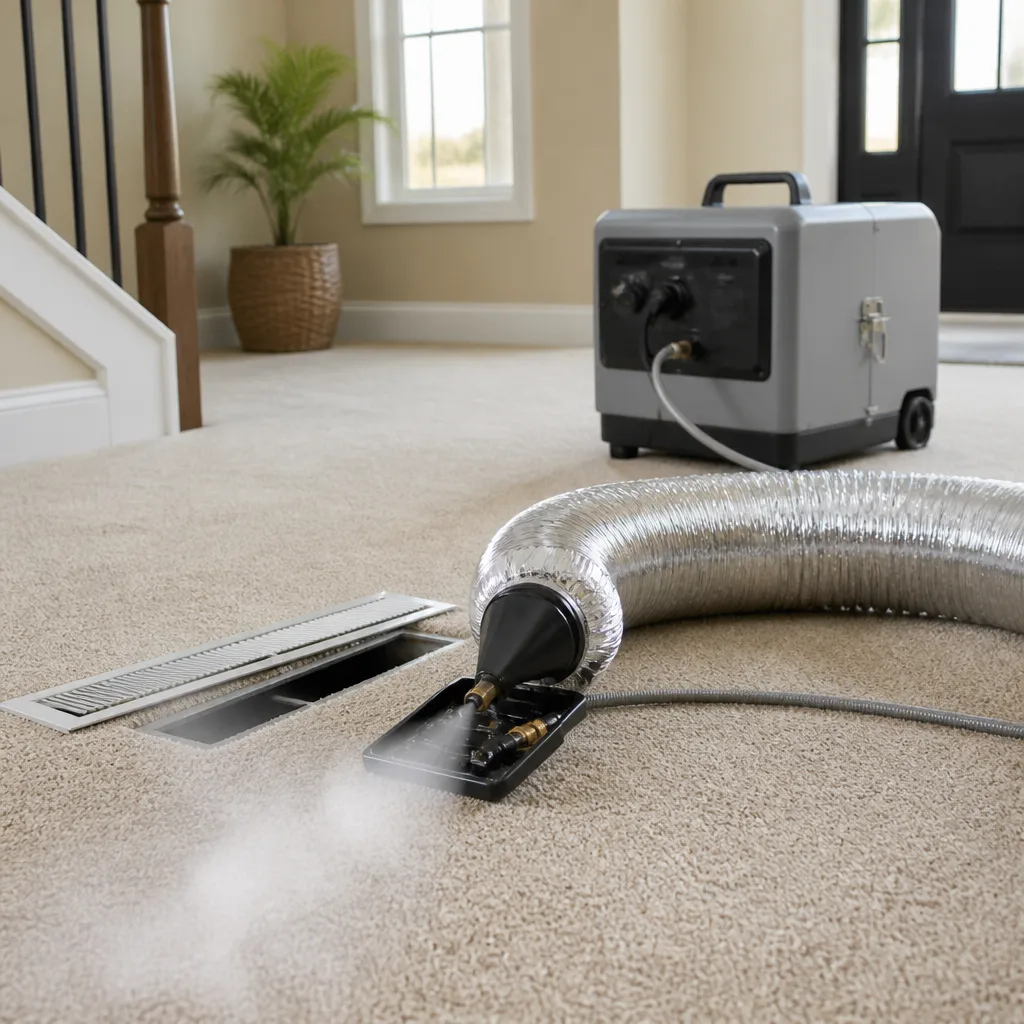 Sanitizing & deodorizing
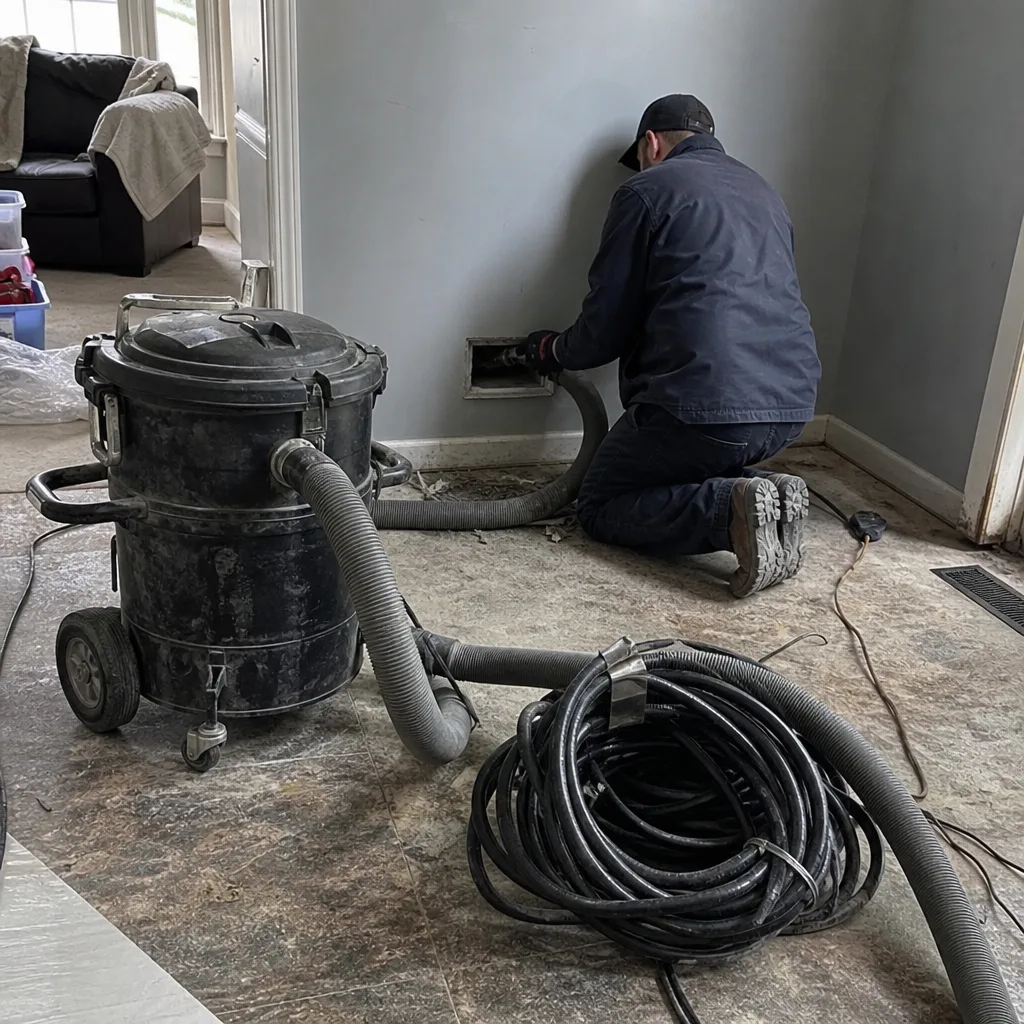
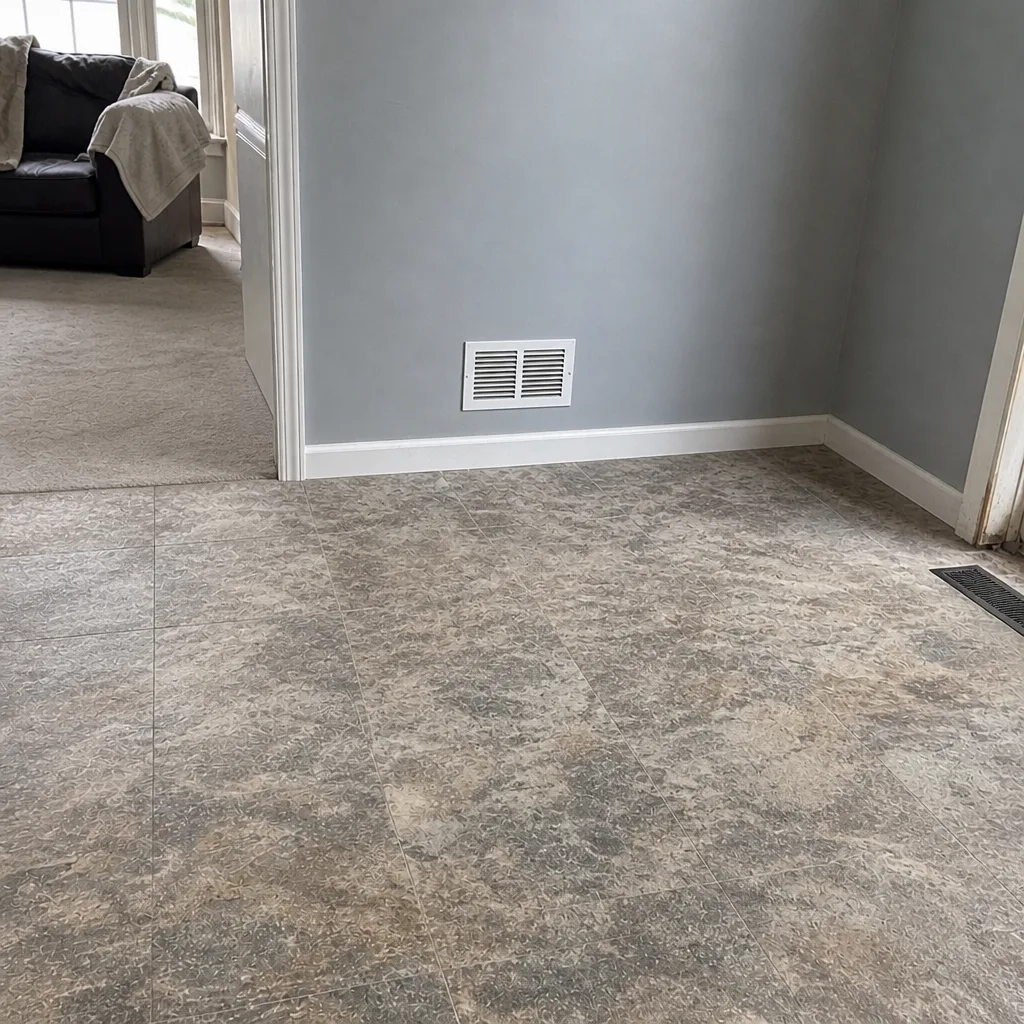
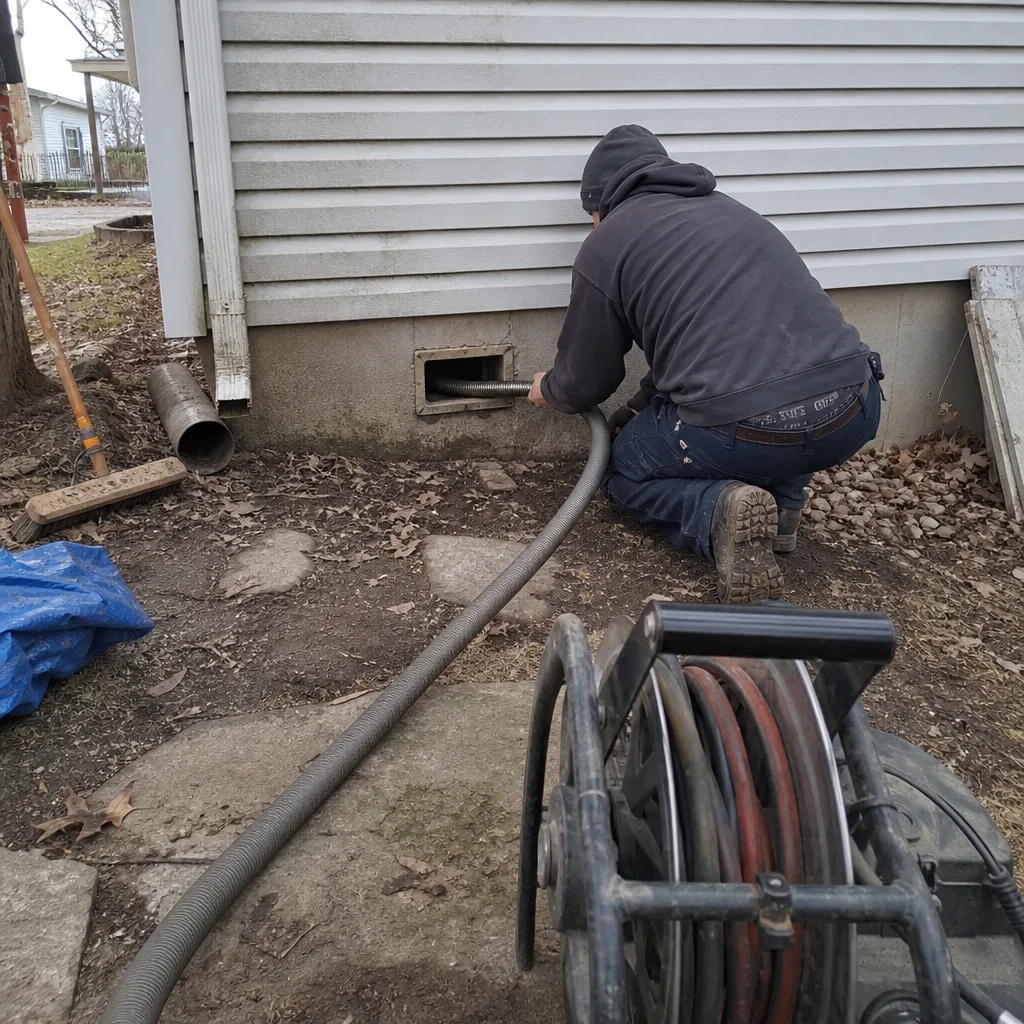
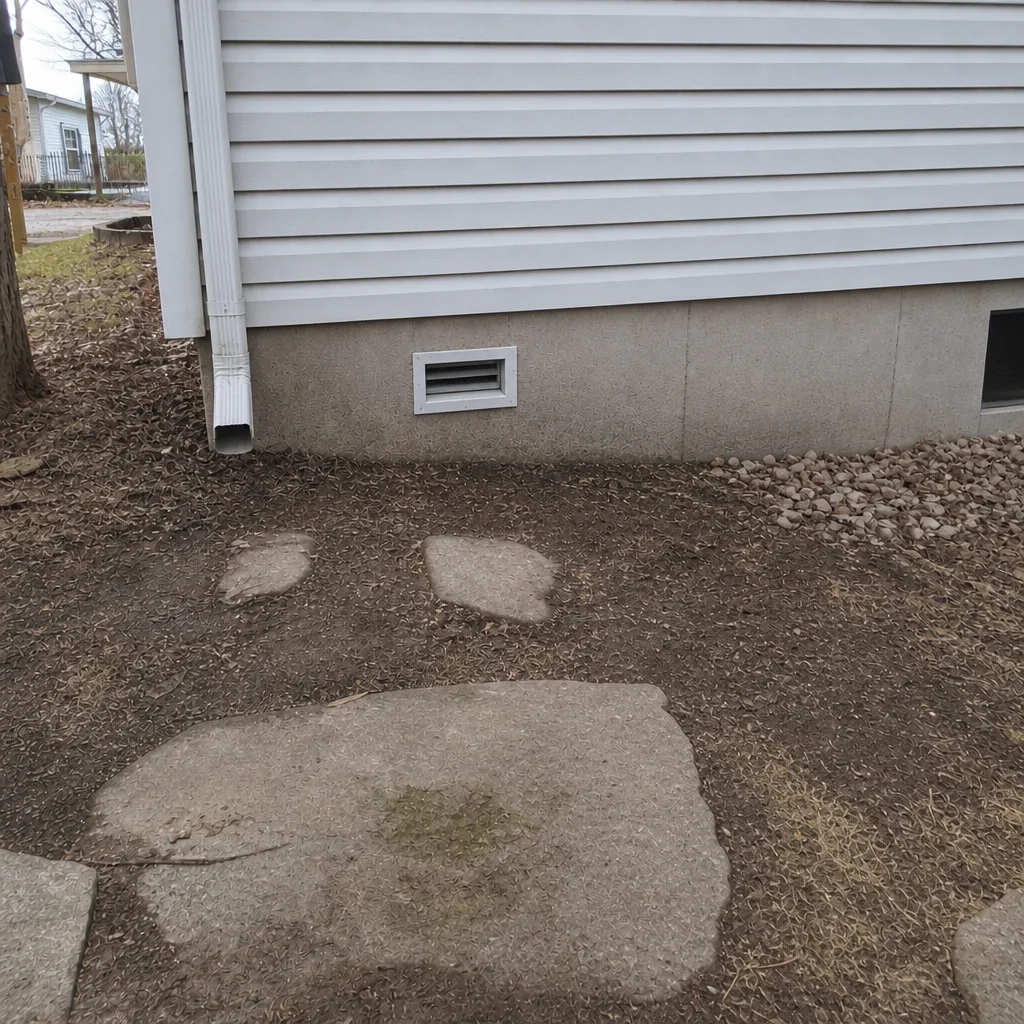
Whole-system duct and dryer vent check with before-and-after photos - you see exactly what came out of your vents
That "$99 whole-house special" is a bait ad - the real number appears once they are in your hallway, or the "clean" is a shop-vac at the register. We photograph the inside of your ducts before and after instead.
Air Duct Cleaning Warning Signs: An Indianapolis Homeowner’s Reference Guide
If one room in your house is consistently 4-6 degrees cooler than the thermostat setting, the problem is more likely inside your ductwork than inside your HVAC unit. That’s the counterintuitive part. Most homeowners in Indianapolis spend money on furnace tune-ups, air filters, and thermostat upgrades while the actual source of the trouble sits behind the drywall, coated in debris they’ll never see. Duct contamination rarely announces itself. It disguises itself as allergies, as a musty basement smell, as a room that “has always been cold.” This guide decodes those signals. You’ll learn what separates surface dust from system-wide contamination, how specific smells point to specific causes, and which warning signs in Indianapolis homes deserve a professional look.
Quick Answer
The most reliable air duct cleaning warning signs in Indianapolis are visible dust streaking around supply registers, a musty odor that appears when the heat first comes on, rooms that won’t hold temperature, and a dryer that takes noticeably longer to finish a load. One sign alone is worth watching; two or three together usually point to a duct system that needs professional attention. Surface dust on a register is normal. Debris that returns within days, or that appears on every register in the house, is not.
Styles & brands we work with
- Whole-home duct cleaning
- Dryer vent cleaning
- Camera inspection
- Sanitizing & deodorizing
Table of Contents
- Surface Dust vs. System-Wide Contamination
- Room Temperature Swings That Point to Ducts
- Decoding Musty HVAC Odor by When It Appears
- Visible Mold at a Register: What It Does and Doesn’t Mean
- Dryer Vent Warning Signs Indianapolis Homeowners Miss
- Post-Renovation Dust Intrusion and Why It Needs a Faster Timeline
- Why Indianapolis Housing Stock Intensifies These Signs
- Common Mistakes to Avoid
Surface Dust vs. System-Wide Contamination
Every home has dust on its registers. That’s normal and it doesn’t mean you need duct cleaning. The distinction that matters is between surface debris – dust that settles on the grille and on the visible lip of the duct opening – and system-wide contamination, which is debris that has accumulated inside the duct walls, on the seams, and through the branches that feed each room. Surface dust wipes off with a cloth. System-wide contamination comes right back because the source is deeper in.
Here’s a simple way to tell them apart:
- Wipe one register clean with a damp cloth. Check it again in two to three days. A light film is normal airflow dust. A fresh, visible coating means debris is actively being pushed out of the duct.
- Compare registers across the house. If one register dusts up and the rest stay clean, you may have an airflow or leakage issue near that branch. If every register in every room is dusting over, the contamination is likely in the trunk line that feeds them all.
- Look at the baseboard and wall around the register. A faint dark halo on the drywall is a sign of dust being pushed out of gaps in the boot or the seal between the boot and the duct.
- Check the return air grille. Returns pull air back to the system. A heavily loaded return grille is often the earliest sign that contamination is circulating through the whole loop.
Surface-level dust is a maintenance item. System-wide contamination is a cleaning item, and it’s where professional equipment matters. Basic air-whip methods blow loose debris around inside the duct; a brush-contact system using Rotobrush equipment physically dislodges material from the duct walls before it’s captured. That’s the difference between a clean-looking system and an actually clean one. If you want a professional assessment of your air duct cleaning needs, we can help you read the signs honestly.
Room Temperature Swings That Point to Ducts
A room that runs 4-6 degrees off the thermostat setting is one of the most overlooked duct warning signs in Indianapolis homes. Homeowners usually blame the furnace, the thermostat, or the age of the equipment. Sometimes that’s right. But when one specific room is consistently cold in winter or warm in summer while the rest of the house is fine, the problem is usually in the duct branch serving that room.
The reasons are mechanical, not mysterious:
- Crushed or disconnected flex duct. Flexible duct runs through attics, crawlspaces, and joist bays. They get stepped on, pinched, or pulled loose. A crushed run delivers a fraction of the air it was designed to.
- Leaking seams and joints. In an unconditioned attic, a leaking joint doesn’t just lose air – it pulls in outside air. On an Indianapolis summer day, that means pulling hot, humid attic air into the room.
- Debris blocking a branch. A buildup of dust, construction debris, or a collapsed liner can narrow a branch enough to cut airflow dramatically.
- Poorly balanced dampers. Zone dampers that are partially closed or stuck will starve one room and overfeed another.
You can do a simple check without opening anything. With the system running and the room door open, hold a tissue against the supply register. It should be pulled strongly toward the grille. If the pull is noticeably weaker than in other rooms, that branch is underperforming. That points to a duct problem, and it’s worth having it evaluated before you spend money on HVAC equipment you may not need. We offer Sentry Air Duct Cleaning services that include this kind of branch-by-branch inspection, which is where duct repair becomes part of the conversation.
Decoding Musty HVAC Odor by When It Appears
A musty smell from your vents isn’t one problem. It’s at least three different problems depending on when the smell shows up, and the timing is the most useful diagnostic clue you have. Homeowners often chase the smell into the basement or the bathroom when the actual source is the duct system.
If the smell appears with the first heat of the season
This is the most common pattern. Dust that has settled in the duct over the cooling season gets baked when the furnace fires up. The smell is usually a hot, dusty, slightly burnt odor rather than a true musty smell, and it fades within a day or two. If it fades quickly, it’s a nuisance. If it persists for a week or more, debris has accumulated to the point where the first flush doesn’t clear it.
If the smell only appears on humid days
This is the classic sign of moisture in the system. In Indianapolis summers, humidity climbs high and stays there. Ductwork running through a humid crawlspace or attic can pick up condensation on cold surfaces, and that moisture feeds biological growth inside the duct. The smell shows up when the air is wet and disappears when it’s dry. That pattern is a direct pointer to a moisture source the duct system can’t shed.
If the smell is continuous
Continuous odor means the source isn’t seasonal. It usually indicates standing contamination – organic material, rodent activity, or significant accumulation that’s been present long enough to become permanent. This is the pattern that most consistently requires professional cleaning with proper containment. During this kind of work, an Abatement Technologies filtration system contains dislodged particulates rather than releasing them into the living space.
Whichever pattern you recognize, the next step is the same: have the system inspected rather than guessing at the cause. A musty smell that keeps returning after you’ve cleaned the floors and run a dehumidifier is pointing back into the ducts.
Visible Mold at a Register: What It Does and Doesn’t Mean
If you see mold around a single supply register, it does not mean every duct in your house is contaminated. But it also isn’t something to ignore or wipe away. Single-register mold usually points to a localized moisture problem – a supply register in a bathroom, a register near a window, or a boot that’s picking up condensation. Spotting it early gives you a real chance to fix a small problem instead of a large one.
Here’s what a spot of mold around a register does tell you:
- There is moisture somewhere in that branch. Ductwork that stays dry doesn’t grow mold, no matter how dirty it gets. Moisture is the required ingredient.
- The seal around the boot or register is compromised. Condensation typically forms where unconditioned air meets conditioned air, and that’s most often at a poorly sealed boot penetration.
- It’s worth checking adjacent ducts. If the moisture source is upstream of the register, other branches fed from the same trunk may show subtle signs you haven’t noticed yet.
The honest answer about mold is that duct cleaning alone doesn’t solve it – the moisture source has to be fixed, or mold returns. We’re careful to say the same thing in person: cleaning removes contamination, and repair addresses the gaps and leaks that let moisture in. Proper containment is also non-negotiable during any cleaning around a mold-affected branch. Once the moisture is corrected, working with products from a manufacturer like Aprilaire for humidity control helps keep it from coming back.
If you spot mold or unexplained moisture at a register, schedule an inspection rather than wiping it and moving on. A visual check with proper equipment takes very little time and answers the question instead of leaving it open.
Dryer Vent Warning Signs Indianapolis Homeowners Miss
A clogged dryer vent is a fire hazard, not just an efficiency problem. Lint is highly flammable, and when it accumulates in the vent line it sits right next to the hottest air the appliance produces. The signs are subtle enough that most homeowners miss them entirely, and the consequences are serious enough that this belongs on any list of duct warning signs.
Watch for these specific signals:
- Dryer cycles take noticeably longer. If a load that used to finish in 45 minutes now takes 70 or 80, the vent is restricted. You’ll feel the heat in the laundry room because it can’t escape the way it should.
- The exterior vent flap doesn’t open fully. Go outside while the dryer is running and look at the hood. It should open and stay open with strong airflow. A flap that stays partially closed, flutters, or doesn’t move at all means the vent is clogged or crushed.
- Lint accumulates behind the dryer. A small amount is normal. A growing pile behind or under the dryer, or lint escaping around the door seal, means the vent path is blocked and lint is backing up.
- The dryer or clothes feel unusually hot. Heat that can’t leave the system has to go somewhere. Clothes that come out hot to the touch, or a dryer cabinet that’s hotter than it should be, are telling you the vent is restricted.
- Burnt or scorched smell near the dryer. This is the sign that moves from “worth scheduling” to “stop using the dryer until it’s checked.”
Dryer vent runs in older Indianapolis homes are often long, with multiple elbows and a route through a crawlspace or attic. Every 90-degree turn slows airflow and gives lint a place to collect. That geometry is exactly why dryer vent cleaning on a schedule matters here more than in newer construction with short, direct vent runs.
Post-Renovation Dust Intrusion and Why It Needs a Faster Timeline
Any renovation that opens walls, pulls down ceilings, or replaces flooring pushes a large volume of fine dust into the HVAC system. In Indianapolis’s older neighborhoods, where remodels often involve lath-and-plaster demolition or the removal of older ductwork, that dust load is heavy and it doesn’t settle on the floors – it circulates. If the HVAC ran during the project, or the returns were left unprotected, dust moved through the entire system and is now sitting on the inner walls of every duct branch.
Here’s what post-renovation duct contamination typically looks like:
- A thin, uniform grey dust film on registers throughout the house – not just in the room that was remodeled. That’s the signature of contamination carried by the system rather than deposited locally.
- Dust that reappears within a day of cleaning the registers. The system keeps pushing it out.
- Drywall dust pulled into the return. Drywall dust is fine and abrasive, and it can coat the inside of the air handler and the supply trunk.
- Particles visible in the light around a supply register when the system is running. If you can see it floating, there’s enough material in the system to be a real filtration load.
The reason renovation dust deserves a faster timeline than ordinary buildup is that it starts circulating immediately. Every hour the system runs, more of it cycles through the house, through the air handler coil, and through the filter. A room that just got painted gets a fresh coat of dust. A system that was clean before the remodel won’t be clean again on its own. Cleaning right after the project finishes – before the new furniture, rugs, or finishes get coated in a fine layer of construction dust – is the practical window to aim for.
Renovation dust is also where the difference between equipment categories shows. A brush-contact Rotobrush system dislodges fine dust from duct walls and captures it, rather than letting it float back into the room. That’s the equipment category professional cleaning around a renovation needs.
Why Indianapolis Housing Stock Intensifies These Signs
Indianapolis is a city of varied housing stock. Neighborhoods like Irvington and Fountain Square are filled with homes built in the early 20th century, with original ductwork added decades after construction, often tucked into spaces that were never designed for it. Meridian-Kessler and Broad Ripple homes frequently have retrofitted duct systems where the original passive-chimney return design was replaced with metal supply and return runs that don’t always fit the envelope well. On the north side, newer construction in neighborhoods like Carmel-adjacent subdivisions faces a different reality – tighter envelopes and higher-efficiency systems that are more sensitive to any restriction in airflow.
The local climate amplifies the symptoms:
- Humid summers. Indianapolis summers push humidity high enough that ductwork running through crawlspaces and unconditioned attics picks up condensation. That’s the moisture source behind much of the musty-odor pattern described earlier.
- Cold, dry winters with high heating demand. The furnace runs long hours in January and February. If there’s dust in the system, that dust gets baked onto duct walls and becomes harder to remove later.
- Older ductwork with leaks and disconnected joints. In homes built before modern duct sealing practices, leaks are common and dust infiltration is often continuous.
- Basement and crawlspace routing. Many Indianapolis homes route ductwork through spaces that stay damp much of the year, which is a moisture profile you don’t see in homes with slab-on-grade construction.
The overall picture is that the same dust load that sits inert in a dry, tight, modern system will actively circulate and re-contaminate in many of the older Indianapolis homes we work with. That’s the reason the warning signs here tend to run a little hotter than the same signs elsewhere.
Common Mistakes to Avoid
- Blaming allergies on outdoor air when the source is indoor. If allergy symptoms spike when the HVAC runs and calm down when it doesn’t, the air handler isn’t just moving filtered air – it’s moving whatever’s in the ducts. Outdoor pollen counts don’t change on the basis of furnace runtime.
- Assuming a furnace tune-up will fix a duct problem. A furnace tune-up confirms combustion and airflow at the unit. It doesn’t inspect branch ducts or repair disconnected runs. In Indianapolis homes, the branch-level problems are often invisible to a standard tune-up.
- Wiping registers dry instead of inspecting where the dust comes from. Cleaning the register without addressing the source just resets the clock. If the film returns within a few days, that’s the system unambiguously telling you the source is upstream.
- Ignoring the dryer vent because the dryer still works. Dryer vents fail slowly. A long dry time or a closed exterior flap is a real fire warning sign, and the fact that the appliance is still running is not evidence that it’s safe.
- Hiring on price alone without knowing what the cleaning method actually is. Air-whip-only cleaning and brush-contact cleaning are not interchangeable. If you’re considering a quote, ask what equipment will be inside the duct, and what containment is used. Those two answers explain most of the price difference.
- Cleaning and skipping the repair. If a duct branch is disconnected or a boot is unsealed, cleaning it once and leaving the gap means the contamination returns on a schedule. Cleaning and repair belong together, and most duct-cleaning-only contractors can’t offer the second part.
- Cleaning on a fixed schedule regardless of conditions. A house with pets, a recent renovation, or a heavy smoking history doesn’t follow the same interval as a low-occupancy home. The signs on this page are more useful than a calendar.
See the difference
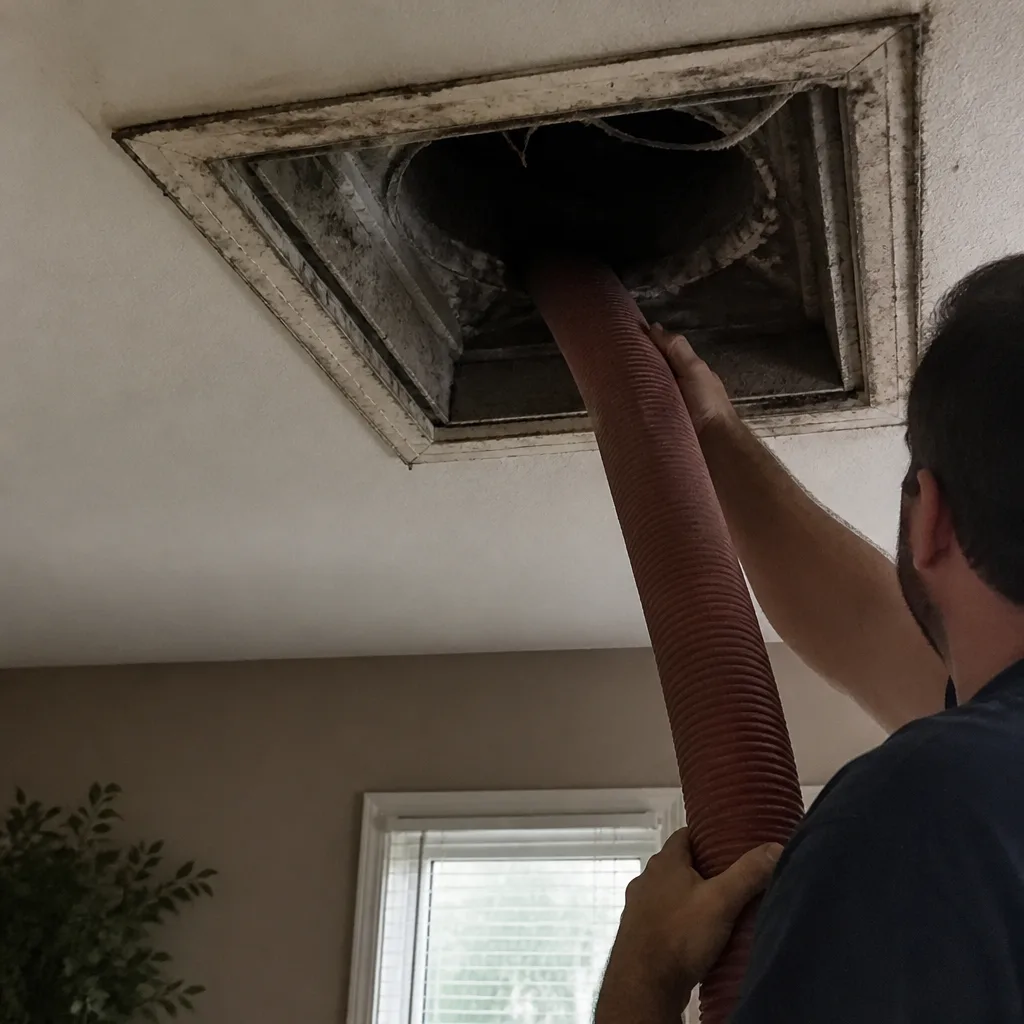 Before
 After
 Before
 After
 Before
 After
When to Call a Professional
Call for help when the signs stack up, not when they first appear. A single dusty register or an occasional smell isn’t a red flag. But if two or more of the following are true – dust returns to every register within days, a musty smell lingers past the first heat of the season or returns every humid day, a room runs 4-6 degrees off the thermostat no matter what you do, the dryer takes significantly longer or the exterior flap doesn’t open, you’ve recently finished a renovation, or you see moisture or mold at any register – it’s time for an inspection. The reason is simple: every one of these signs is easier and less expensive to address early. A branch that’s starved of airflow gets hotter, works the system harder, and can make the duct problem worse over time.
Sentry Air Duct Cleaning offers free estimates in Indianapolis – call (888) 382-8408. We answer 24/7. Fast dispatch from 7am to 7pm, Sunday through Friday. Our technicians have up to 13 years of experience, and we work with professional-grade Rotobrush and Nikro equipment on every job.
Frequently Asked Questions
You need cleaning when the signs are systemic, not incidental. One dusty register and a smell that clears in a day usually doesn’t justify professional cleaning. Dust that returns to every register within a few days, a musty odor that persists or recurs on humid days, or a room that consistently runs 4-6 degrees off the thermostat does. A professional inspection confirms it in minutes with a camera in the duct rather than a hard sell from the driveway. Call (888) 382-8408 to book an inspection – estimates are free.
Because the smell is coming from inside the system. When the blower runs, it pushes air through the ducts and moves any accumulated dust, moisture, or biological growth into the living space. If the smell appears with the first heat of the season, it’s usually dust baking off. If it only appears on humid days, it points to moisture in the ductwork. Continuous smell usually means significant contamination that’s been present long enough to stay. Call (888) 382-8408 and we’ll help you sort out which pattern you’re dealing with – estimates are free.
It’s serious enough to investigate, not serious enough to panic. A single spot of mold at one register means there’s moisture in that branch – it doesn’t mean every duct in the house is affected. Ductwork that stays dry doesn’t grow mold, so the real fix is finding the moisture source and sealing the gap that lets it in. Cleaning plus the repair is what keeps it from coming back. Call (888) 382-8408 to schedule an inspection – estimates are free.
In a properly sealed and maintained system, dust buildup is gradual and manageable – usually years, not weeks, before a cleaning is worth considering again. But if your registers dust over again within days, the system itself is the source, and the fix is repair, not another cleaning. The right answer depends on whether the ducts are sealed and whether the system is pulling unfiltered air from a crawlspace or attic. Call (888) 382-8408 to have the actual cause diagnosed – estimates are free.
It’s usually the vent, not the dryer. The most reliable test is to go outside while the dryer is running and watch the exterior hood flap. If it doesn’t open fully, the vent is restricted. Lint accumulating behind the dryer or clothes feeling unusually hot confirm it. Don’t rely on the appliance still running as evidence that the vent is fine – a clogged vent is a fire hazard even when the dryer works. Call (888) 382-8408 – estimates are free.
Yes, on a much faster timeline than ordinary buildup. Renovation dust is fine, abrasive, and it’s already circulating through every branch if the HVAC ran during the project or the returns were left open. Waiting weeks means that dust settles into new flooring, gets drawn into the air handler coil, and becomes harder to remove. Cleaning soon after the project finishes – before new finishes are installed – is the practical window. Call (888) 382-8408 to schedule it – estimates are free.
The Bottom Line
Air duct warning signs in Indianapolis are easy to misread because they mimic other problems. Dust blamed on poor housekeeping, smells blamed on the basement, cold rooms blamed on the furnace. The signs that actually point to the ducts are specific: dust that returns within days, odor that has a pattern in time, rooms that miss the thermostat setting by 4-6 degrees, dryers that take longer or vents that won’t open, and the uniform grey film left behind by a renovation. Two or more of those, together, warrant a look. And the underlying reason to act early is that duct problems get harder to fix the longer they stay in place.
We handle all three pieces of the duct ecosystem – cleaning, repair, and dryer vent – so you don’t need to call a second contractor to fix what the first one finds. Our team uses professional-grade equipment on every job, including a Rotobrush brush-contact cleaning system and Nikro HVAC equipment, and we work with Honeywell and Aprilaire indoor air quality products. Every job is one flat price per system, agreed before work starts, with before-and-after photos of your own ducts so you can see exactly what was removed. Our technicians have up to 13 years of experience.
If you’re noticing any of the signs in this guide, the most useful next step is a straightforward inspection. Call (888) 382-8408. We answer 24/7. Fast dispatch from 7am to 7pm, Sunday through Friday. Estimates are free, and we’ll tell you honestly whether your ducts need cleaning or whether something else is going on.
Written by the team at Sentry Air Duct Cleaning.