
Last updated November 16, 2026
 Whole-home duct cleaning
 Dryer vent cleaning
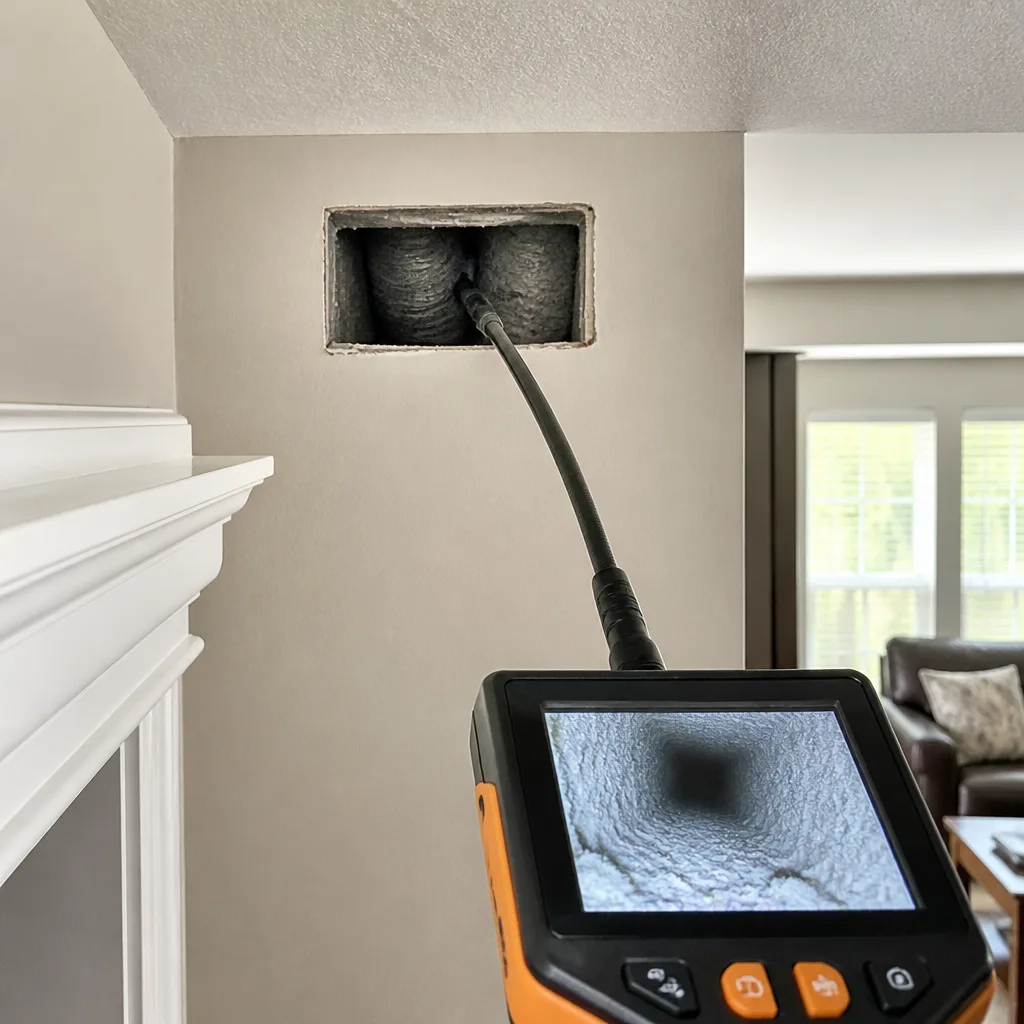 Camera inspection
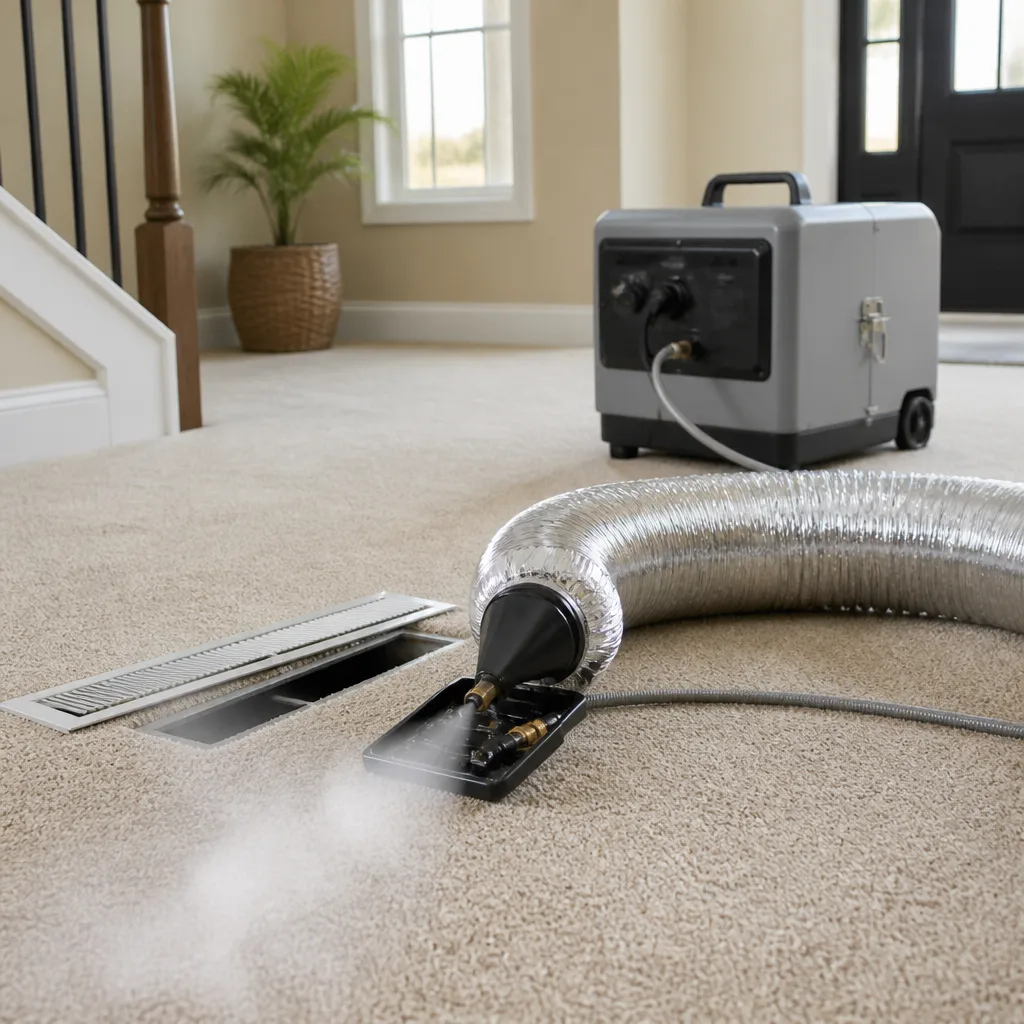 Sanitizing & deodorizing
Whole-system duct and dryer vent check with before-and-after photos - you see exactly what came out of your vents
That "$99 whole-house special" is a bait ad - the real number appears once they are in your hallway, or the "clean" is a shop-vac at the register. We photograph the inside of your ducts before and after instead.
Air Duct Cleaning Troubleshooting in Indianapolis: Common Problems and How to Fix Them
Here’s a counterintuitive fact about duct problems: the most expensive-looking symptom is often the cheapest to fix, and the cheapest-looking symptom is often the most expensive. A room that won’t heat usually gets blamed on a dirty system that needs a cleaning, when the real culprit is a disconnected flex run that needs a repair. Meanwhile, a faint musty smell that homeowners ignore for months often traces back to a damp, debris-packed section of return duct that never should have been left that way. In this guide we’ll map each common complaint to the specific duct component most likely responsible, so you can talk to a technician in the right language and avoid paying for the wrong service. This is troubleshooting written from Indianapolis, for the houses and weather we actually live with.
Quick Answer
Most air duct problems in Indianapolis come down to one of four causes: debris buildup restricting airflow, disconnected or crushed flex duct, leaky joints pulling in attic or crawlspace air, or an air handler that needs service rather than a duct cleaning. The symptom tells you which part of the system to look at. Uneven room temperatures and high bills point to airflow restriction or leaks on the supply side, musty odors point to moisture or contamination in the returns, and visible dust at the registers usually means a joint has come apart. Fixing the right component costs far less than treating everything as a cleaning job.
Styles & brands we work with
- Whole-home duct cleaning
- Dryer vent cleaning
- Camera inspection
- Sanitizing & deodorizing
Table of Contents
- Symptom-to-Cause Matrix: What Each Complaint Usually Means
- Supply Ducts vs. Return Ducts vs. the Air Handler
- How to Tell a Collapsed Duct From a Debris Blockage
- Why Indianapolis Homes Develop Duct Problems
- Cleaning Problem or Repair Problem? How to Know
- What Professional Equipment Actually Changes the Outcome
- Common Mistakes to Avoid
- When to Call a Professional
Symptom-to-Cause Matrix: What Each Complaint Usually Means
Start here. Before you call anyone, match your complaint to the most likely cause. This isn’t a diagnosis, but it puts you in the right conversation.
- One or two rooms won’t heat or cool while the rest of the house is fine. Most likely a supply-side problem: a crushed or disconnected branch duct serving that room, or a damper stuck closed. Rarely a whole-system cleaning issue.
- Musty or “old basement” smell through the vents. Usually the return side, and often moisture-related: condensation in a cool return run, debris that stayed damp, or a return pulling air from a humid crawlspace through a bad joint.
- Visible dust puffing out of registers, or dust settling fast after cleaning. Leaky or separated joints are pulling unfiltered air from the attic, garage, or wall cavities. The cleaning won’t hold until the joint is sealed.
- Utility bills climbing with no change in habits. Restricted airflow on either side forces the blower to work harder and run longer. Could be debris, a collapsed run, or a dirty coil at the air handler.
- Weak airflow everywhere at once. Points to the air handler or main trunk rather than individual branches: a clogged filter, a failing blower, or debris blocking the main trunk line.
- Whistling or rattling at a single register. Often an undersized or partially blocked branch, or loose ductwork vibrating against framing.
Notice that only two of these six point to a cleaning job as the primary fix. In our experience across Indianapolis, that’s the honest ratio. The complaint rarely tells the whole story, but it narrows the field fast.
Supply Ducts vs. Return Ducts vs. the Air Handler
The duct system has three zones, and each fails differently. Understanding which zone you’re dealing with keeps you from paying for a fix in the wrong place.
Supply ducts carry conditioned air out to the rooms. They’re pressurized, so when a supply joint opens, air escapes into the attic or wall cavity instead of reaching the register. The symptom shows up as a weak room and a bill that doesn’t match the comfort you’re getting. Supply problems are usually about airflow and distribution.
Return ducts pull air back to the air handler. They run under negative pressure, which means when a return joint opens, it sucks attic air, garage air, or crawlspace air into the system rather than leaking out. The symptom here is usually what you smell, not what you feel. A musty odor that won’t go away after other fixes is almost always a return-side issue.
The air handler is the furnace or air handler unit itself: the blower, coil, and filter. If the blower is failing or the evaporator coil is clogged, the whole house feels it at once instead of one room. No amount of duct cleaning fixes a blower motor or a fouled coil. That’s a mechanical service, not a duct service, and a good technician will tell you so.
The reason this distinction matters: a supply-side leak, a return-side contamination issue, and an air handler fault can each produce a “high bill, uneven comfort” complaint. Three causes, three completely different fixes, three different service categories. If a company shows up and starts cleaning ducts for any complaint without checking the zones, they’re guessing.
How to Tell a Collapsed Duct From a Debris Blockage
This is the check that saves the most money. A crushed flex duct and a debris blockage can feel identical from inside the house, but one needs a cleaning and one needs a repair. Here’s what they actually look like.
From the vent opening, shine a light down the duct. Flex duct is the most common ductwork in newer and mid-century Indianapolis homes, and it’s basically a plastic inner sleeve inside a metal coil, wrapped in insulation. A collapsed section looks kinked, pinched flat, or bent sharply at a tight angle. You’ll see the inner sleeve pinched shut like a garden hose with a foot on it. Debris blockage, on the other hand, looks like loose dust, construction grit, or buildup piled against the duct walls with the duct shape still open and round.
Feel the airflow at the register. If it’s very weak but the duct looks open, the blockage is likely further downstream or at the air handler. If it’s weak and the duct looks pinched, you’ve found your collapse.
Check the boot and boot-to-trunk connection. The boot is the metal transition box behind the register where the duct connects. A boot that has pulled apart from the trunk is extremely common and easy to miss from the room side.
- Turn the system off at the thermostat first, so nothing is blowing while you inspect.
- Remove the register grille and set it aside.
- Shine a light down the duct and look for a pinch, kink, or sharp bend.
- Look for a torn inner sleeve or visible separation at the boot.
- Note whether the duct is round and open (debris cause likely) or pinched flat (collapse cause likely).
- Look at nearby registers too. If several rooms are weak, the problem is closer to the air handler than to any single branch.
Write down what you see and roughly where. That single note turns a vague “the back bedroom is cold” call into a targeted conversation, and it keeps you from being sold a whole-system cleaning when one branch repair is the answer. For a broader look at what proper cleaning involves, see our air duct cleaning page.
Why Indianapolis Homes Develop Duct Problems
Indianapolis has a specific set of triggers that shape what breaks here, and none of them are the same as a coastal city or a desert market. Three stand out.
Clay soil and settling foundations. Much of Indianapolis sits on heavy clay soil, and clay moves. It swells in wet seasons and shrinks in dry ones. The constant swell-and-shrink cycle is hard on foundations, especially in older ranch homes where ductwork runs under or through the slab or the crawlspace. As the house settles, it pulls on buried and floor-level duct runs, twisting and kinking flex duct that was originally laid straight. This is a slow, invisible process that shows up as a cold room years after the house was built. Foundation-driven duct kinking is one of the most common repair calls we see in Indianapolis, and it’s a repair, not a cleaning.
Real seasons and heavy system cycling. Indianapolis has genuinely cold winters and hot, humid summers. That means your HVAC runs hard for months in each direction, and the duct system flexes with temperature changes over hundreds of cycles a year. Flex duct connections loosen over time. Boots pull away from trunks. Nothing dramatic, just steady wear that accumulates.
Older housing stock. Many Indianapolis neighborhoods, including areas like Irvington, Broad Ripple, and Fountain Square, have housing stock from the early to mid-1900s, where ductwork was retrofitted into homes that weren’t originally designed for it. Retrofit ductwork is more prone to tight bends, undersized runs, and improvised connections than purpose-built systems. When a house was built before central air existed, the duct path was often carved out of whatever space was available, and those compromises show up as airflow problems decades later.
None of this means every Indianapolis home needs major duct work. It means the diagnosis starts with what’s specific to the house and its ground, not with a generic checklist. A technician who knows the local housing stock will look for settling damage and retrofit shortcuts by default.
Cleaning Problem or Repair Problem? How to Know
This is the decision point that determines what service you actually need. Cleaning and repair are different jobs, and a company that only cleans can’t solve a repair problem. Here’s how to tell them apart before you call.
- It’s a cleaning problem if the complaint is smell, dust discharge, or gradual efficiency loss, and the ductwork is structurally intact. The vents are open, the airflow is roughly even room to room, and the issue is what’s inside the duct. That’s air duct cleaning territory.
- It’s a repair problem if the complaint is a specific room that won’t condition, a duct you can see pinched or disconnected, or a joint that keeps leaking dust. That’s Sentry Air Duct Cleaning‘s air duct repair work, and cleaning won’t fix it.
- It’s a mechanical problem if the airflow is weak everywhere at once, the air handler is noisy or short-cycling, or the coil is fouled. That’s HVAC service, not duct service, and you need a different technician.
Why does this matter so much? Because a lot of homeowners get sold a cleaning, the symptom returns within a week, and they’re told it needs another cleaning. The real problem was a disconnected flex run or a crushed branch the whole time, and no amount of cleaning touches that. A company that offers both cleaning and repair, like Sentry Air Duct Cleaning, can look at a complaint, tell you which category it falls into, and do the right job instead of the available job.
The Indianapolis angle on this is that foundation settling and retrofit ductwork both push a lot of local homes into the repair category rather than the cleaning category. If your house has a crawlspace or slab foundation and was built before the 1980s, the odds that a room-specific complaint is a repair issue are higher than in newer construction.
What Professional Equipment Actually Changes the Outcome
Method matters more than most homeowners realize. The reason a cheap cleaning sometimes doesn’t hold is that the equipment used couldn’t get the debris off the duct walls in the first place.
Basic air-whip equipment and consumer-grade vacuums put negative pressure on the system and loosen what’s sitting in the duct, but air alone often doesn’t dislodge debris that’s caked onto the walls. The professional approach includes physical contact. A Rotobrush brush-contact system runs a rotating brush through the duct, physically scrubbing debris off the walls while a high-volume vacuum captures it. Nikro HVAC equipment handles the vacuum and containment side. Unlike air-whip-only methods, brush-contact cleaning physically dislodges debris from duct walls, which is why the result is more durable and shows up in before-and-after photos as a real difference.
Containment matters just as much. When debris gets dislodged, it has to go somewhere, and if it goes into your living space you’ve just moved the problem. That’s why we run Abatement Technologies air filtration equipment on the job: the same category of air filtration used in professional remediation, designed to capture dislodged particulates rather than redistributing them.
The other half of the equipment conversation is what happens after cleaning. If the ducts are clean but the indoor air still needs help, that’s where air quality products come in. We work with Honeywell and Aprilaire air quality products because cleaning addresses what’s in the ducts, but filtration and humidity control address what’s in the air between cleanings. Those are different jobs, and a company set up for only one of them will recommend only one of them. If you want to understand that ecosystem in more detail, our Sentry Air Duct Cleaning overview covers how cleaning, repair, and air quality products fit together.
Common Mistakes to Avoid
- Assuming every symptom is a cleaning problem. Uneven comfort, dust at the registers, and high bills often point to a repair. If a company only offers cleaning, get a second opinion that includes repair capability before you book.
- Chasing dust with another cleaning instead of finding the leak. If dust settles back within days, a joint is open and pulling unfiltered air in. Cleaning without sealing the joint is a temporary fix at a real cost.
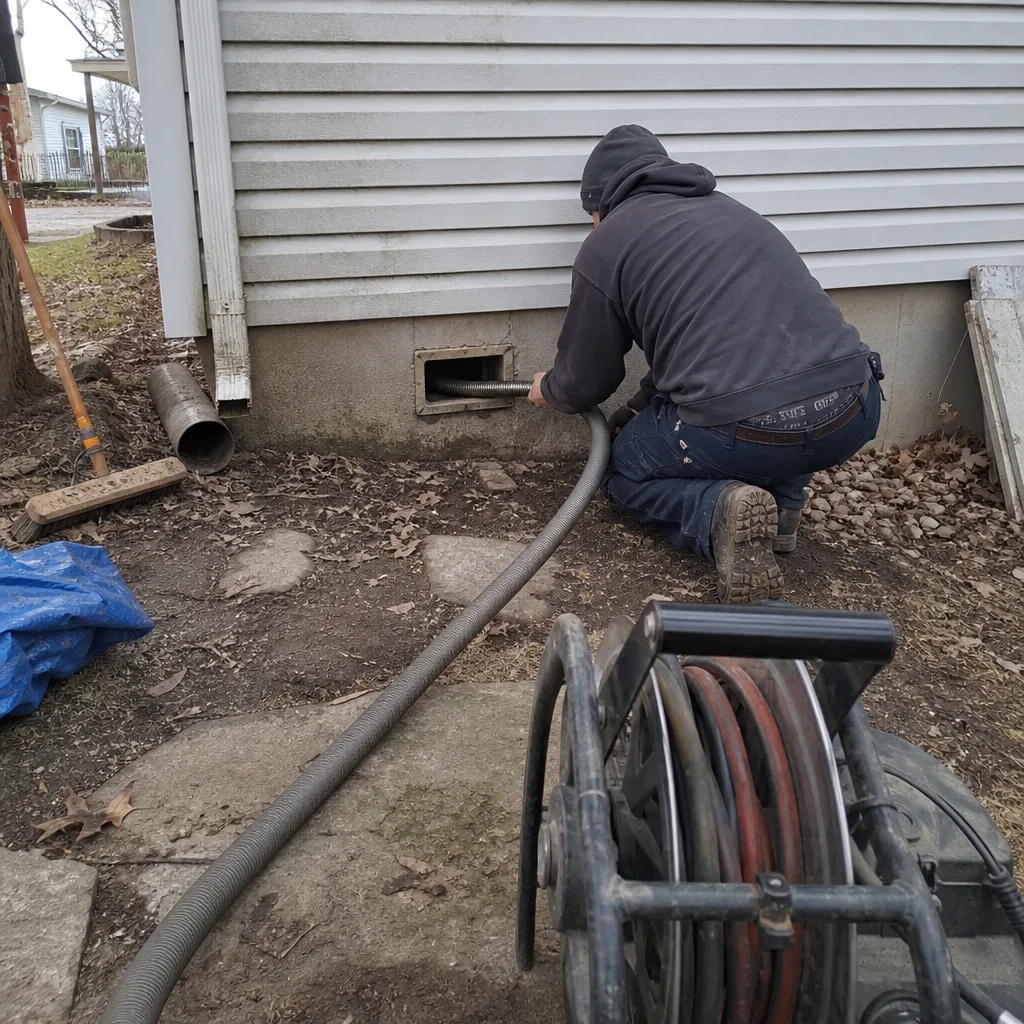
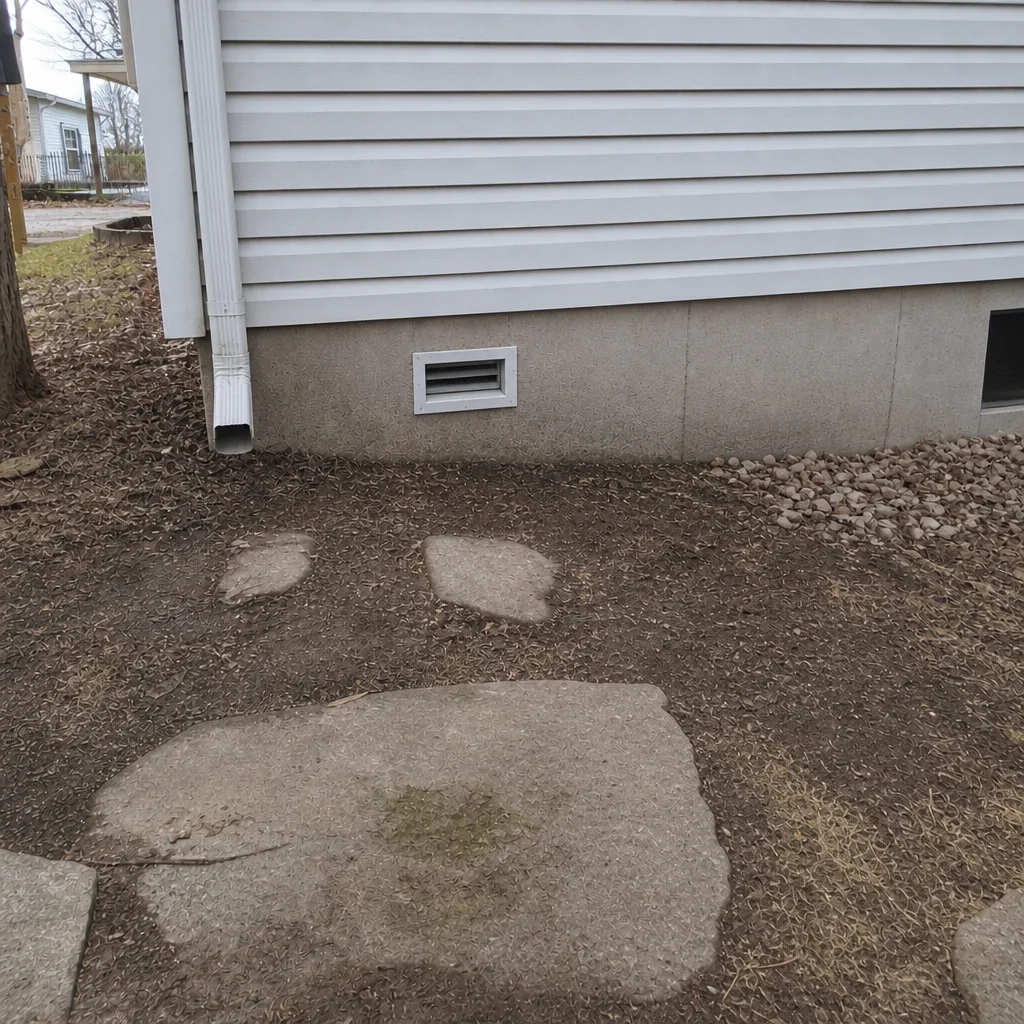
- Ignoring your dryer vent because the dryer still dries. A clogged dryer vent is a fire hazard even when the dryer seems to work. Reduced lint at the trap and long dry times are both warning signs.
- Letting a cheap quote decide the job. A very low price usually reflects a very short, surface-level service with basic equipment. Ask what method and equipment the company will use before you compare quotes.
- Skipping the air handler. No amount of duct cleaning fixes a fouled coil, restricted blower, or failing motor. If the whole house is affected at once, ask about the air handler first.
- Ignoring local foundation signs. In Indianapolis, small door-alignment changes and new cracks in slab or crawlspace walls can signal settling that’s also kinking ductwork. Fix the visible sign of trouble before it becomes a comfort problem.
- Trusting an in-duct aerosol spray as a cleaning result. Spraying a fog into the ducts doesn’t remove the debris underneath it. Removal and physical contact cleaning are the only methods that actually clear the buildup.
- Not checking the return side. Many homeowners focus on supply registers and never look at the returns. A return pulling air from a damp crawlspace will keep the smells coming no matter how many supply runs get cleaned.
When to Call a Professional
Some duct issues are worth a careful DIY inspection first, especially the light-and-boot check we described. But the point of a professional call is to stop guessing and get a real measurement of what part of the system is failing. Call a technician when:
- You’ve checked a register with a light and find a pinched or disconnected duct.
- You can’t find the cause of a musty smell that keeps returning.
- Dust settles back within days of a cleaning.
- One room won’t condition no matter what you do at the thermostat.
- Your dryer takes much longer to dry a load than it should, or the lint trap stays oddly clean.
- You’ve had a renovation, a pest problem, or a water event, and you want the duct system checked.
Sentry Air Duct Cleaning offers free estimates in Indianapolis – call (888) 382-8408. We answer 24/7. Fast dispatch from 7am to 7pm, Sunday through Friday.
Our technicians have up to 13 years of experience across cleaning, repair, and dryer vent work. If you want to see the dryer vent cleaning side of the service before you call, that page covers the fire-prevention angle in detail.
See the difference
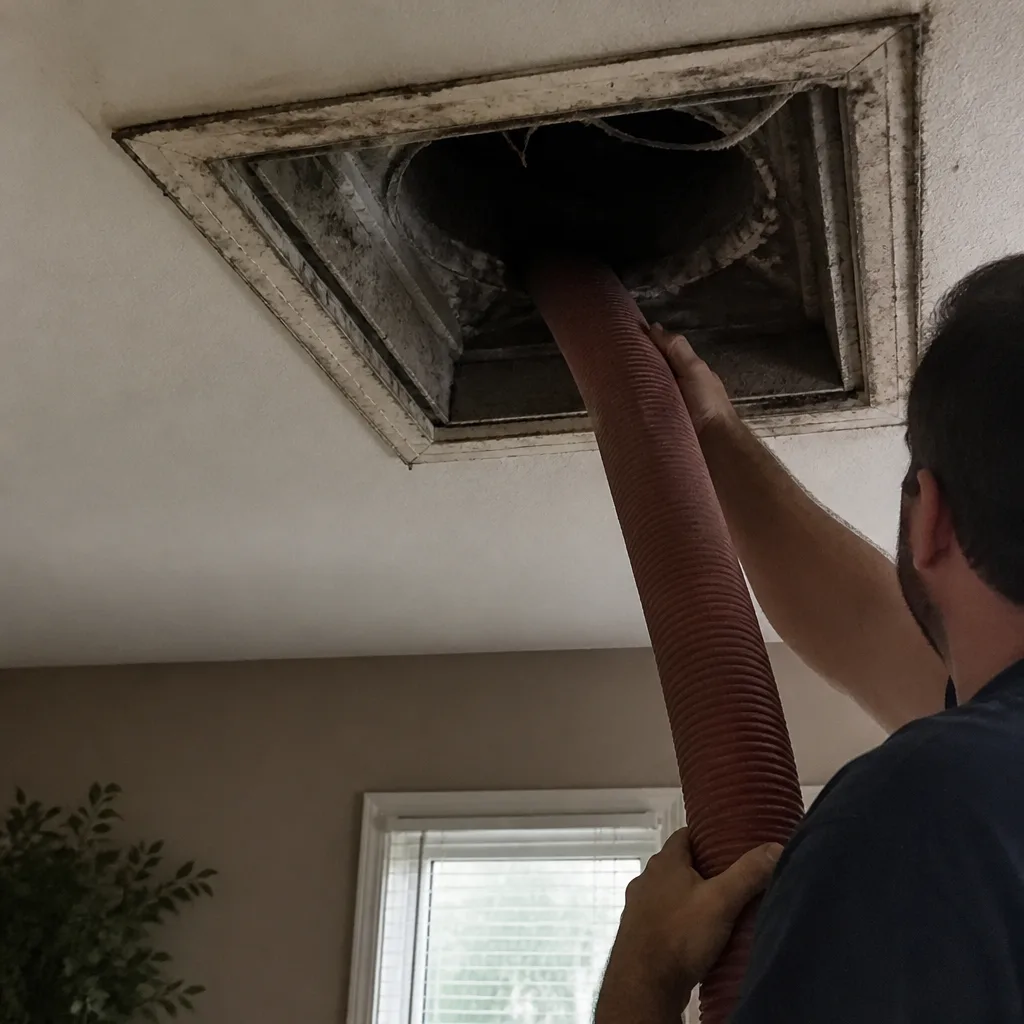 Before
 After
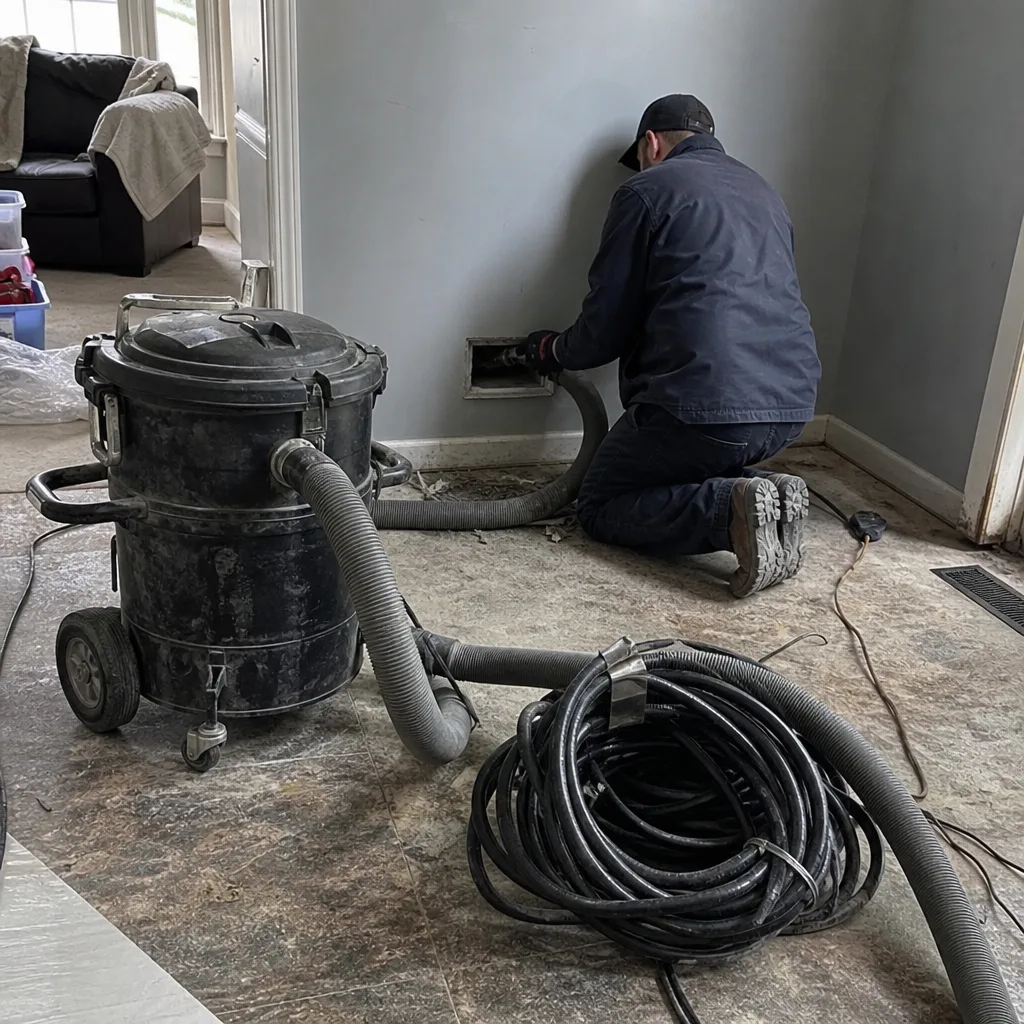 Before
 After
 Before
 After
Frequently Asked Questions
Whole-system air duct cleaning in Indianapolis typically runs in the several-hundred-dollar range for an average home, depending on the number of vents and the complexity of the duct layout. Quotes that come in dramatically lower usually reflect basic air-whip or shop-vac methods with a short surface-level pass instead of Rotobrush brush-contact cleaning with containment. Call (888) 382-8408 to get a free estimate that reflects the actual method and equipment we use.
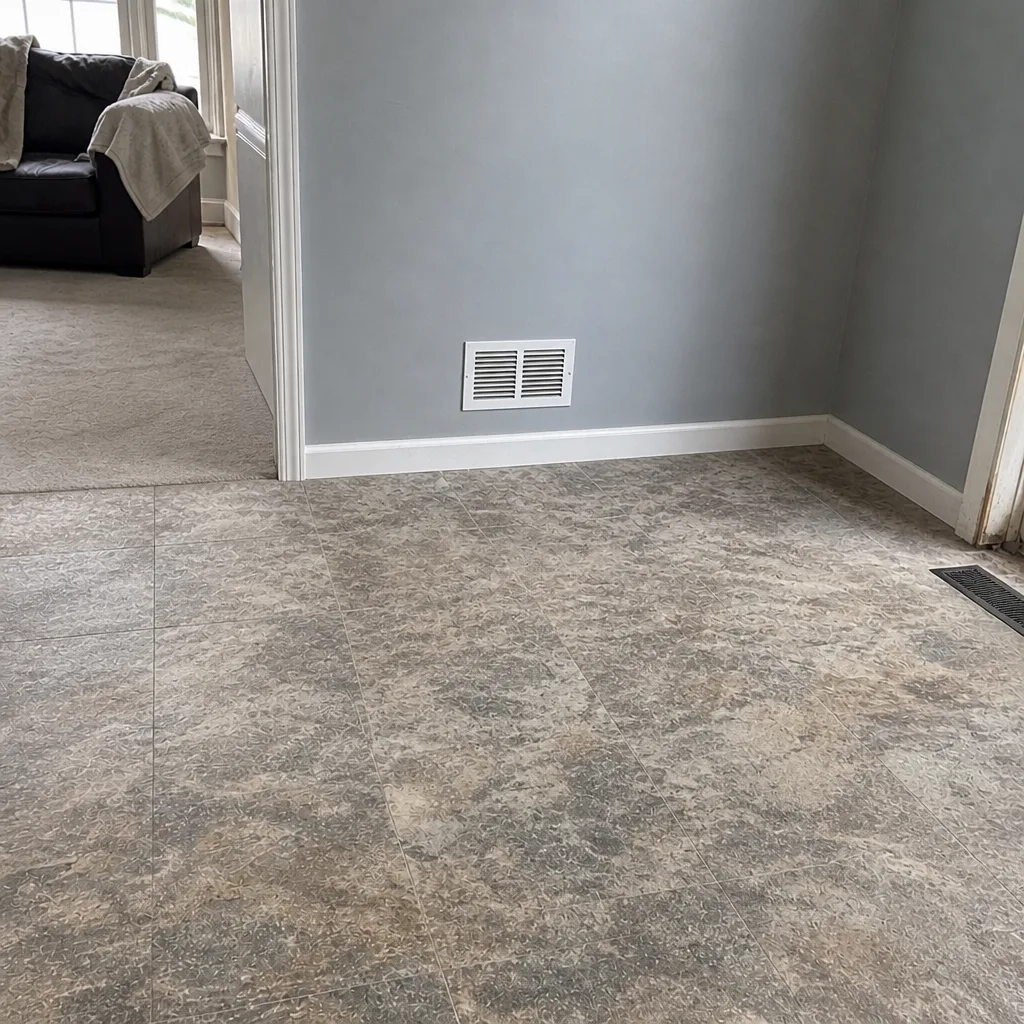
The clearest evidence is before-and-after photos of your own ducts, taken at the registers and at the trunk connections. A professional cleaning includes them as part of the job, along with containment equipment that keeps the dislodged debris out of your living space. If a company won’t photograph the result, that tells you something. Call (888) 382-8408 to talk through what a verifiable job looks like in your Indianapolis home.
Most homes don’t need it on a fixed schedule; it’s driven by conditions rather than the calendar. A renovation, a pet-heavy household, a water event, visible dust at the registers, or persistent musty odors are the real triggers. In older Indianapolis homes with crawlspaces and retrofit ductwork, a check every few years makes sense. If you’re unsure, call (888) 382-8408 for a free estimate and we’ll tell you honestly whether it’s time.
Room-specific complaints point to repair, while smell, dust, and gradual efficiency loss point to cleaning. A pinched, disconnected, or crushed duct needs a repair, not a cleaning, and a cleaning will not fix it. A technician who offers both can tell the difference on the visit; a cleaning-only company cannot. In Indianapolis, foundation settling makes repair a more common answer than most homeowners expect. Call (888) 382-8408 to book a free estimate.
Usually not. A single problem room almost always points to a problem with the branch duct serving it, not debris in the whole system. That’s a repair job, and no amount of whole-system cleaning will restore airflow to a collapsed or disconnected run. Call (888) 382-8408 and describe the symptom – we’ll tell you which service you’re looking at.
We handle both. Dryer vent cleaning is a separate service from duct cleaning, and it matters because a clogged dryer vent is a fire hazard, not just an efficiency concern. Reduced lint at the trap, longer dry times, and a hot dryer body are worth checking. Call (888) 382-8408 to schedule a free estimate for duct cleaning, repair, or dryer vent work.
The Bottom Line
The core lesson of duct troubleshooting is that the symptom tells you the zone, and the zone tells you the fix. Room-specific complaints point to supply-side repair. Musty smells point to returns and often moisture. Whole-house weakness points to the air handler. Gradual dust and efficiency loss are the real cleaning jobs. Indianapolis adds its own chapter: clay soil, settling foundations, real seasons, and older retrofit ductwork all push local homes toward repair more often than a generic guide would suggest. Match the symptom to the component, ask what equipment a company will use, and get before-and-after photos of your own ducts. That combination prevents misdiagnosis, keeps you from paying for a cleaning that won’t hold, and gets your home’s airflow where it needs to be.
Ready to stop guessing and get a real diagnosis? Call Sentry Air Duct Cleaning at (888) 382-8408 for a free estimate. We answer 24/7. Fast dispatch from 7am to 7pm, Sunday through Friday. We’ll look at the symptom, tell you whether it’s a cleaning, repair, or air handler issue, and give you one clear price for the right job.
Written by the team at Sentry Air Duct Cleaning.